Wheel Lock Removal Tool Kit 2026: Match Your Spline First
Lost your wheel lock key? Learn how to identify your lock pattern and pick a wheel lock removal tool kit that actually grips — sized by lug diameter and depth.
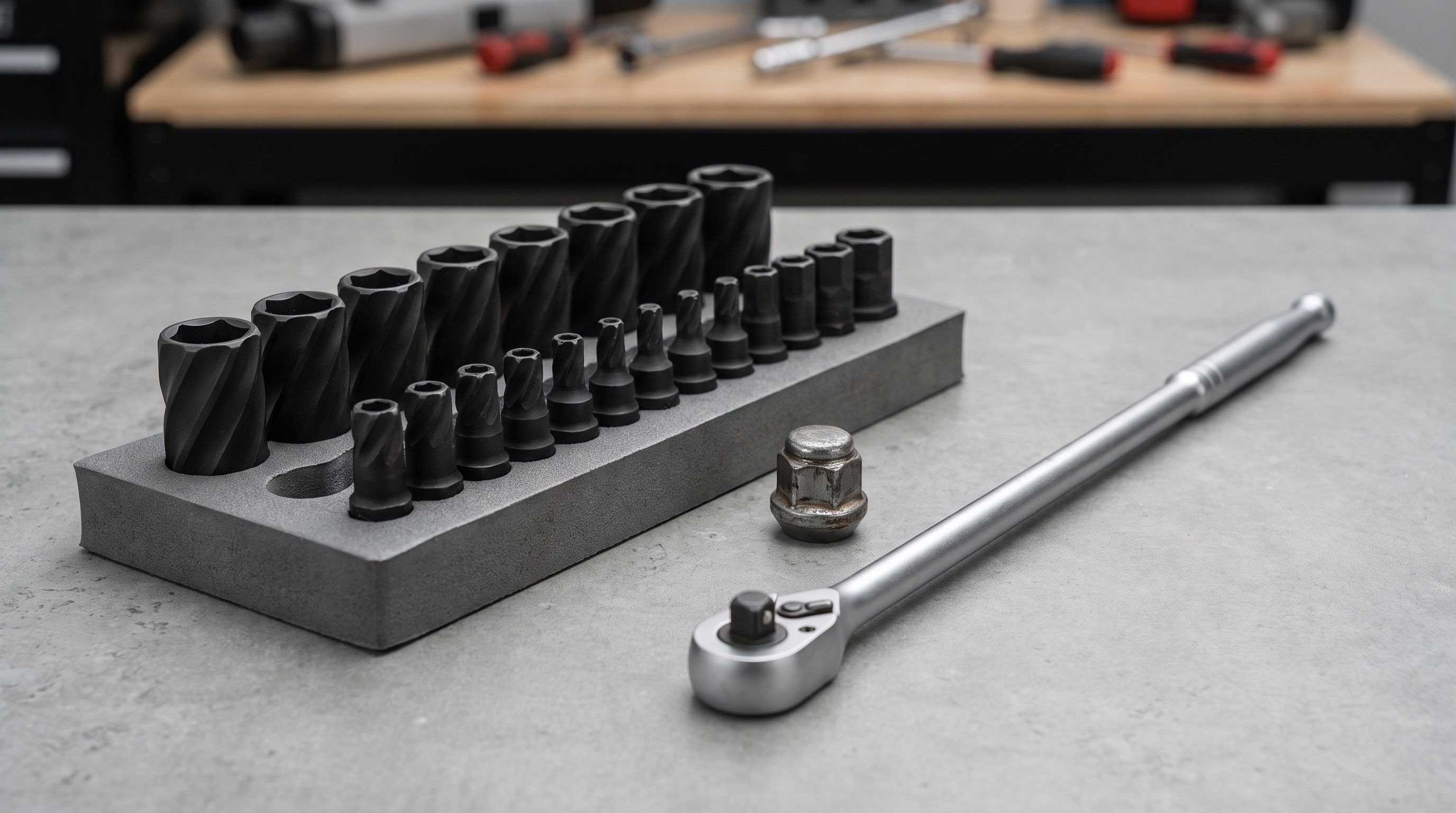
Reader-supported: we may earn a commission from links on this page, at no extra cost to you. It never affects our picks. Learn more.
The short version
- Best overall: Performance Tool M991 11-Piece Master Lug Nut Remover Set
- Best for stubborn, torqued-on locks: Ken-Tool 30160 Lug Nut Remover Set
- Budget pick: ABN Wheel Lock Removal Tool Set (Twist Socket Kit)
- Best for rounded or swaged-collar locks: GEARWRENCH 2-Piece Bolt Biter Impact Extraction Socket Set
- Best deep sockets for recessed lug holes: Sunex 3838 8-Piece 1/2-Inch Drive Deep Lug Nut Removal Set
 Best overall · Performance Tool M991 11-Piece Master Lug Nut Remover Set — Check price on Amazon →
A missing wheel lock key is the automotive equivalent of locking yourself out of your own house. The good news: nearly every locking lug nut sold in the last three decades can be removed with an off-the-shelf extraction socket — if you match the tool to the lock's outside diameter and the depth of the wheel's lug bore. This guide explains how to read your lock pattern, what the different extractor designs actually do, and which kits owners and shops report as reliable in 2026.
GarageProof researches and compares tools using manufacturer specifications, independent reviews, and verified owner feedback. We don't physically test units, and we say so plainly.
First: do you actually need an extractor?
Before you destroy a perfectly good lug nut, run through the cheap options.
Check for the spare key. Wheel lock keys hide in the glovebox, the center console, the spare tire well, the trunk side pocket, or clipped to the jack. On a lot of used-car purchases the key is still in the car — just not where you looked.
Order a replacement key. If your locks are McGard, Gorilla, Mag, or an OEM set from Toyota, Honda, BMW, Mercedes, VW, or Ford, most have a key code stamped on the key itself or printed on a card in the owner's manual packet. McGard and several OEMs will sell you a matching key from that code. This is the lowest-risk path because it leaves the locks intact and re-usable.
Look for a code on the lock itself. Some patterns stamp a two- or three-digit code into the face of the nut. Photograph it, call the dealer parts counter with your VIN, and you may walk out with a key for less than the cost of a tool kit.
If none of that works — the key is gone, the key is stripped, or the lock's spline pattern is chewed up — then you're extracting. Accept now that the lock nut will be destroyed and you'll need a replacement nut (or a full new lock set) afterward.
How to identify your wheel lock pattern
There is no universal "wheel lock standard." What matters for tool selection is a short list of physical measurements, not the brand.
1. Measure the outside diameter of the lock head
This is the single most important number. Use a caliper, or wrap a piece of paper around the head and measure the circumference. Most factory and aftermarket locks have a head OD somewhere between 17mm and 23mm — the same ballpark as standard lug nut hex sizes (17, 19, 21, 22, 23mm / 11/16", 3/4", 13/16", 7/8").
Extraction sockets are sized to be driven onto a nut slightly smaller than the socket's nominal opening. The rule of thumb: pick the extractor whose stamped size is the closest one that will not slide freely over the lock head. You want to have to hammer it on.
2. Identify the head style
- Splined / multi-spline: A ring of fine vertical ridges (typically 7, 10, or more). Most common on McGard, Gorilla, and OEM sets. Extracts well with spiral/twist sockets because the splines give the flutes something to bite.
- Keyed pattern / "puzzle" face: A recessed shape (star, clover, offset dots) on a smooth round head. These are the hardest, because there's nothing for a socket to grip except the outer diameter.
- Swaged or spinning collar: A free-spinning stainless ring pressed over the lock body so an extractor just rotates uselessly. McGard and several European OEMs use this. You either need a tool that cuts through the collar, or you collapse the collar first with a chisel.
- Hex with a security insert: Essentially a normal hex nut with a pin or shroud. Often the easiest of the lot.
3. Measure the lug bore depth
Stick a zip tie or a pencil down the lug hole, mark the depth, and measure. Many modern alloy wheels have bores 50mm or deeper, and some aftermarket wheels on trucks are deeper still. A standard-length extraction socket will bottom out against the wheel face before it seats on the nut — which is exactly why owners post photos of tools that "didn't fit." If your bore is deep, you need deep-wall extractors or an extension-compatible design.
4. Note the drive size and your tooling
Most serious kits are 1/2-inch drive. You'll want a long breaker bar — not an impact gun — for the actual extraction on most jobs, because controlled torque is what makes the flutes bite rather than skip. Some kits are rated for impact use; many budget ones are not.
How to choose
Extractor geometry: spiral flute vs. jaw bite
Spiral-flute (twist) sockets are the classic design — a reverse-spiral internal taper that digs deeper the harder you turn counterclockwise. They're the right default for splined locks and rounded hex nuts. The Performance Tool M991 and Ken-Tool 30160 are both in this family.
Jaw-bite extractors like the GEARWRENCH Bolt Biter use aggressive hardened teeth rather than a smooth spiral. They tend to work better on badly rounded heads and on spinning-collar locks, where a spiral socket just polishes the surface. They're less graceful but they grip what spirals won't.
Size coverage vs. size precision
A 10–16-piece kit sounds better than a two-piece set, but count the useful sizes. Many budget kits pad the count with sizes nobody needs. What you want is tight 1mm-ish spacing across the 17–23mm band so you can pick a snug fit. Too loose and the socket cams off; too tight and you can't drive it on at all.
Socket depth and wall thickness
Deep bores need deep sockets — that's the whole reason the Sunex 3838 exists as a category pick. But depth fights wall thickness: a thinner wall fits into a tight lug bore, a thicker wall survives more torque. If your wheels have narrow, deep lug holes (common on many German sedans and modern crossovers), verify the socket's outside diameter will physically enter the bore before you buy. Manufacturer listings usually publish OD and overall length.
Hardness and impact rating
Chrome vanadium is standard for hand-tool extractors; chrome-moly and impact-rated kits handle gun use. If you plan to run an impact wrench, buy an impact-rated set and treat it as consumable — the flutes dull, and a dulled extractor is a slipping extractor.
Removal method afterward
Once the extractor is driven on, the nut usually comes out with the socket stuck to it. Good kits include a knockout hole or punch pin in the drive end so you can drive the destroyed nut back out. Kits without one leave you hammering a nut out of a blind socket — annoying, and it ruins the socket if you force it.
Comparison table
| Kit | Type | Drive | Best for | Watch out for |
|---|---|---|---|---|
| Performance Tool M991 | Left-hand spiral extractors, multi-size | 1/2" | Most splined factory & aftermarket locks; general shop use | Standard depth — may bottom out in very deep lug bores |
| Ken-Tool 30160 | Heavy-wall spiral extractors | 1/2" | Seized, over-torqued locks and pro/fleet use | Fewer sizes than mega-kits; priced as a professional tool |
| ABN Wheel Lock Removal Set | Twist sockets, broad size spread | 1/2" | Occasional DIY, one-off key loss | Lighter duty; not the choice for impact guns |
| GEARWRENCH Bolt Biter | Jaw-bite extraction sockets | 1/2" | Rounded heads, spinning collars, chewed splines | Only a couple of sizes — check your lock OD first |
| Sunex 3838 | Deep lug nut removal sockets | 1/2" | Recessed lug holes on alloy/truck wheels | Larger OD may not enter narrow bores |
The picks
Performance Tool M991 — best overall
Prices last checked October 31, 2026. Amazon prices change frequently, so treat these as a guide and check the live price before you buy.
Performance Tool M991 11-Piece Master Lug Nut Remover Set
Left-hand spiral extractors in the sizes that cover most factory and aftermarket wheel locks.
The M991 is the kit most commonly recommended in forum threads and shop discussions when someone shows up with a missing key, and the reason is coverage. It's a multi-piece left-hand spiral extractor set in 1/2-inch drive, spanning the common lug sizes, so there's a strong chance one socket in the tray fits your lock snugly on the first try. Spiral extractors bite progressively, which is what you want when the nut is torqued to 100 lb-ft. What it gives up: standard socket depth, so very deep alloy bores can defeat it, and spiral geometry struggles on free-spinning collars. For a home garage that might face this problem once every few years, it's the sensible default.
Ken-Tool 30160 — best for stubborn, torqued-on locks
Ken-Tool 30160 Lug Nut Remover Set
Heavy-wall spiral sockets with a reputation for surviving impact-gun abuse on seized locks.
Ken-Tool has a long reputation in the tire and truck-service world, and the 30160 set is the one techs reach for when a lock is rusted, over-torqued, or has already been attacked by someone else's cheap socket. The walls are thicker and the flutes are cut for repeated abuse rather than a single use. Owner feedback on shop and fleet use is notably better than on generic kits. The trade-offs are real: it's a professional-grade purchase, the size spread is narrower than big-box mega-kits, and the heavier wall means it's less likely to drop into tight lug bores. Buy it if you're removing locks regularly, not once.
ABN Wheel Lock Removal Tool Set — budget pick
ABN Wheel Lock Removal Tool Set (Twist Socket Kit)
Inexpensive multi-size twist-socket set that covers the common 17–23mm lock range.
If you bought a used car, found one locking nut per wheel and no key, and have zero intention of ever needing this tool again, a budget twist-socket kit is the rational choice. The ABN set covers the usual 17–23mm band with enough sizes to find a snug fit, uses 1/2-inch drive so it works with a breaker bar you probably own, and costs a fraction of professional kits. What you give up is durability and consistency: softer material means the flutes can round off on a badly seized nut, and it is not the kit to pair with an impact gun. Use steady breaker-bar torque and it'll get four locks off.
GEARWRENCH Bolt Biter — best for rounded or swaged-collar locks
When a spiral socket has already spun on the lock and polished the splines flat, you need teeth, not a taper. The Bolt Biter extraction sockets use an aggressive jaw profile that bites into damaged, rounded, or hardened surfaces rather than relying on a smooth wedge. Owners report success on fasteners that defeated conventional extractors, including spinning-collar locks where the stainless ring has been crushed down with a chisel first. The limitation is obvious: it's a small set, so you must measure your lock head before ordering and confirm a size overlap. It's a rescue tool, not a primary kit — pair it with a general set rather than replacing one.
Sunex 3838 — best deep sockets for recessed lug holes
Sunex 3838 8-Piece 1/2-Inch Drive Deep Lug Nut Removal Set
Extra-deep walls reach locks buried in long, narrow wheel bores where short extractors bottom out.
Plenty of "my tool didn't fit" complaints are really depth complaints. If your wheels have long, recessed lug bores — common on modern trucks, SUVs, and a lot of aftermarket alloys — a standard extractor contacts the wheel face before it ever touches the nut. The Sunex 3838 deep set exists for exactly that geometry, with 1/2-inch drive and extra-deep walls so the socket can swallow the full length of the lock. Sunex builds solid impact-oriented tooling, and the finish quality is a step above generic imports. The caveat: deep walls mean a larger outside diameter, so measure your lug bore opening and compare it to the published socket OD before buying.
A safe removal procedure
- Loosen the four normal lug nuts first, with the wheel still on the ground. Don't remove them yet.
- Select the extractor that must be tapped onto the lock head. If it slips on by hand, go down a size.
- Drive it on with a dead-blow or ball-peen hammer until it's fully seated — most failures come from an under-seated socket.
- Use a long breaker bar, counterclockwise, steady pressure. No jerking. If the socket skips, stop and reseat or step down a size.
- If the collar spins, collapse it first: a few taps with a cold chisel to crush the ring against the lock body gives the extractor something solid to grab.
- Knock the nut out of the socket through the drive-end hole with a punch.
- Replace the hardware. Install a standard lug nut of the correct seat type (conical, ball, or flat with washer) and thread pitch for your vehicle, and torque to the manufacturer's spec.
Fitment note: lug nut seat type, thread pitch, and size are vehicle-specific. Confirm your year, make, and model against the owner's manual or a reputable fitment lookup before buying replacement nuts — a conical nut in a ball-seat wheel is a wheel-off failure waiting to happen.
FAQ
Can I remove a wheel lock without buying a tool?
Sometimes. The old trick is to hammer on a slightly undersized 6-point standard socket (often 19mm onto a 21mm lock) and break it loose with a breaker bar. It works often enough that it's worth trying before you spend money — but it frequently destroys the socket and can round the lock further, making a proper extractor harder to seat afterward.
Will an extraction socket damage my wheel?
The lock nut is destroyed by design; the wheel usually isn't. The risk is cosmetic: hammering a socket into a tight lug bore can scuff or chip the finish around the hole. Tape the area, seat the socket squarely, and avoid using an impact gun on alloy wheels with tight bores.
Do I need an impact wrench?
No — and in most cases a breaker bar is better. Spiral extractors grip by progressive wedging, which rewards slow, steady torque. Impact hammering can cause the socket to skip and polish the nut. If you do use a gun, use an impact-rated kit.
How do I know what size extractor to order if I can't measure precisely?
Buy a multi-size kit rather than guessing a single socket. Rough-measure the lock head with a tape or by test-fitting standard sockets: find the smallest standard socket that still slides over the lock, then choose the extractor at or just under that size.
Should I reinstall wheel locks afterward?
Modern wheel theft usually targets whole vehicles or specific high-value wheels, and locks are a modest deterrent at best. If you do reinstall them, buy a current-generation set with a swaged collar and a registered key code, and store the spare key somewhere other than the car you'll be locked out of.
Our picks

GEARWRENCH 2-Piece Bolt Biter Impact Extraction Socket Set
Aggressive jaw design bites damaged flats and spinning collars other extractors slip off.
Get the best car care deals in your inbox
Join the GarageProof newsletter for hand-picked car care deals and new buying guides. No spam, unsubscribe anytime.
Related reads
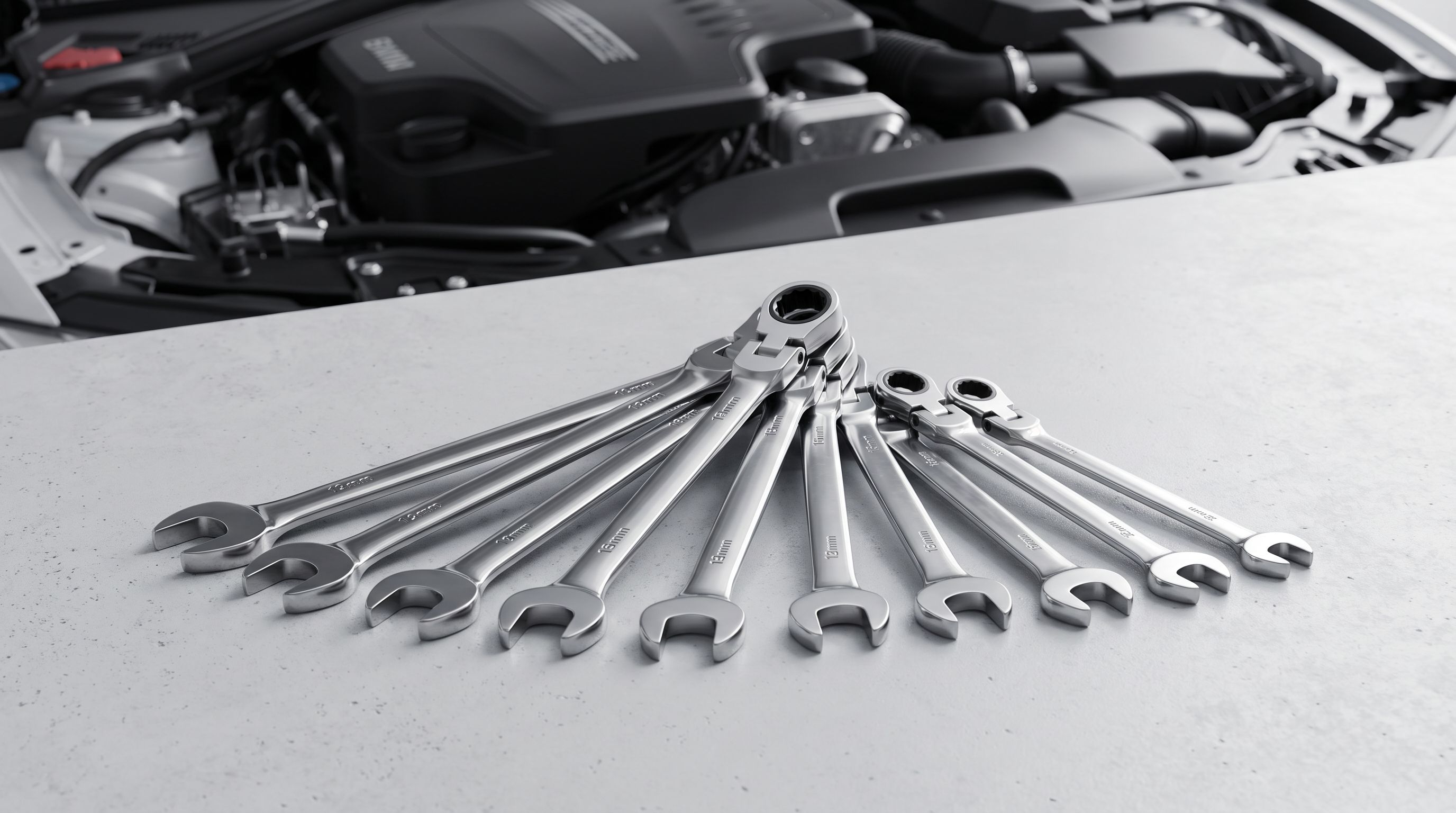
Ratcheting Wrench Sets 2026: Flex-Head vs Fixed Clearance
Pick a ratcheting wrench set by swing arc, head profile and SAE/metric spread — not piece count. Flex-head vs fixed compared, with 4 picks for 2026.
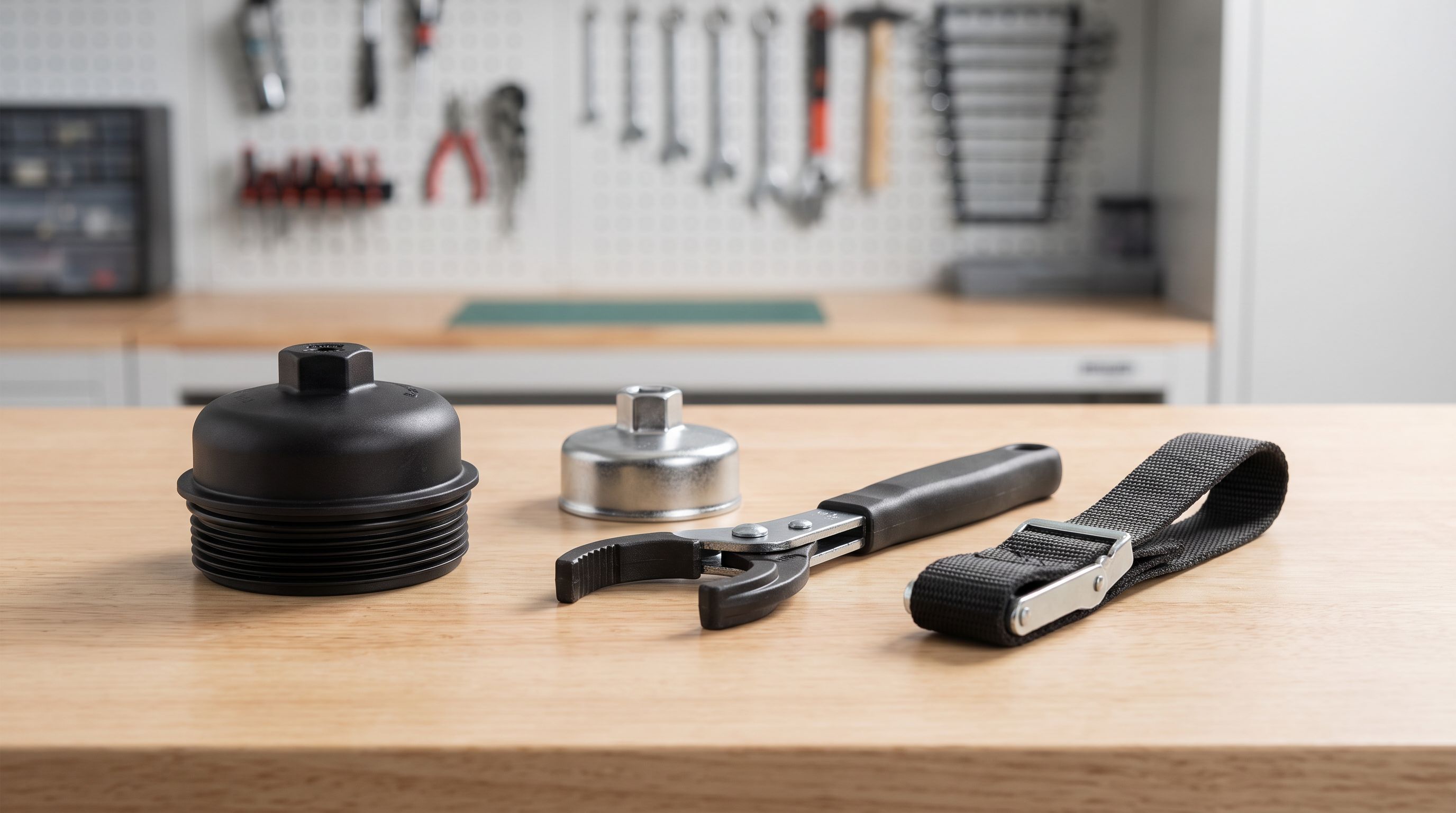
Oil Filter Wrench Fitment 2026: Cap, Cup or Claw?
Cap, cup, claw or strap? Match the right oil filter wrench to your engine's filter size and flute count in 2026 — plus five picks that actually fit.
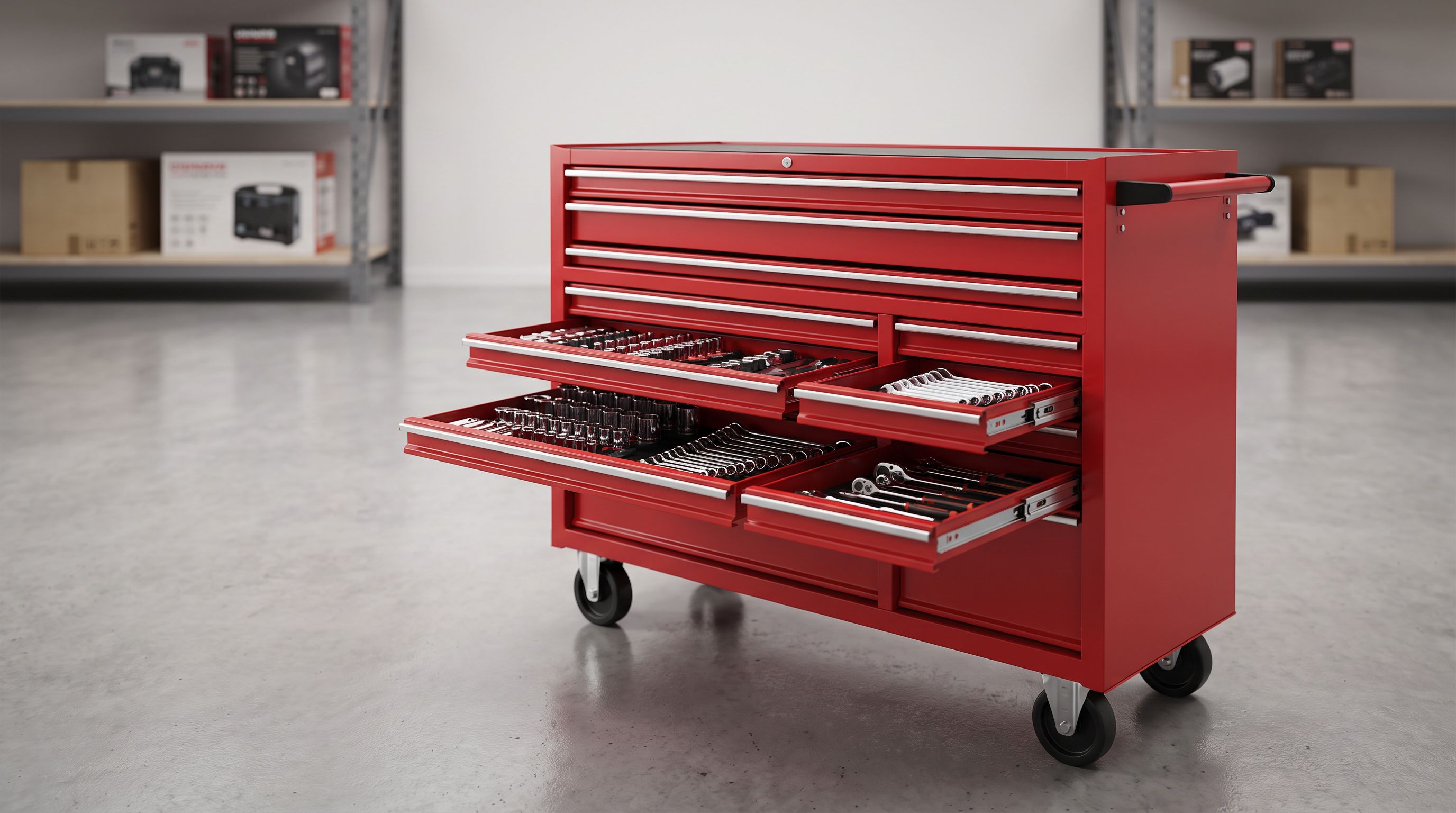
Mechanic Tool Chest Buying Guide 2026: Read the Drawer Ratings
Drawer load ratings, slide type and footprint separate a good mechanic tool chest from a sagging one. Compare 2026's best rolling tool cabinets before you buy.