TPMS Relearn Tools in 2026: Check Coverage Before You Buy
A 2026 buying guide to TPMS relearn and programming tools, focused on vehicle coverage lists, sensor cloning and OBD relearns — verify your make before you buy.
Reader-supported: we may earn a commission from links on this page, at no extra cost to you. It never affects our picks. Learn more.
The short version
- Best overall: Autel MaxiTPMS TS508WF
- Best value kit: Autel MaxiTPMS TS508K
- Best budget programmer: XTOOL TP150
- Simplest for home use: Autel MaxiTPMS TS501
- Best GM-only pick: VXDAS TPMS Relearn Tool for GM
 Best GM-only pick · VXDAS TPMS Relearn Tool for GM — Check price on Amazon →
 Simplest for home use · Autel MaxiTPMS TS501 — Check price on Amazon →
 Best budget programmer · XTOOL TP150 — Check price on Amazon →
 Best overall · Autel MaxiTPMS TS508WF — Check price on Amazon →
A TPMS relearn tool is one of the few shop tools where the spec sheet matters less than the coverage list. A tool with fewer features that supports your exact year, make and model will always beat a feature-packed unit that can't talk to your car's TPMS module. So before anything else: find the manufacturer's coverage chart for the tool you're considering, search your vehicle, and confirm it lists the function you actually need.
What a TPMS relearn tool actually does
People use "TPMS tool" to describe three different jobs, and plenty of cheap listings blur them deliberately.
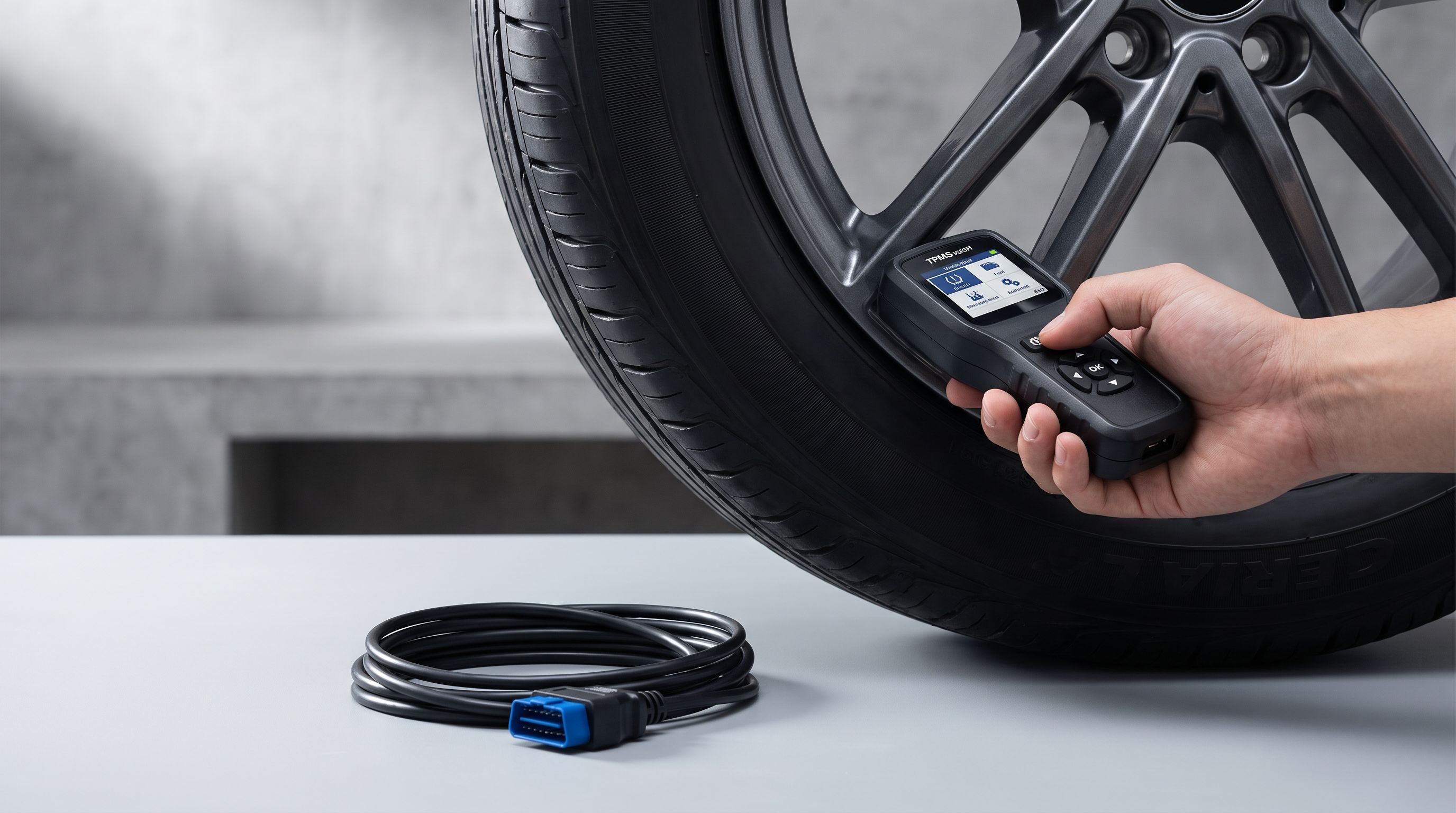
Activation / reading. The tool sends a low-frequency trigger (usually 125 kHz) at the sensor through the sidewall, and the sensor answers with its ID, pressure, temperature and battery status. Almost every tool does this. It's how you find a dead sensor before you spend money.
Relearn. This is the part that makes the dash light go out. It's the process of telling the vehicle's body/TPMS module which four sensor IDs belong to which corners. There are three flavours: auto relearn (drive the car for a while and it figures itself out), stationary relearn (a key-and-horn-honk dance, often needing the tool to trigger each wheel in order), and OBD relearn (the tool writes the IDs directly to the module through the diagnostic port). OBD relearn is the one that requires real, vehicle-specific software — and it's the function most likely to be missing for your car.
Programming / cloning. This applies to aftermarket universal sensors only. You either program a fresh ID that you then relearn to the car, or you clone the ID off the old sensor so the vehicle never knows anything changed and no relearn is needed at all. Cloning is the single most useful feature for a DIYer, because it sidesteps the coverage problem for the relearn step entirely — provided the old sensor still responds.
How to choose
1. Check the coverage list for YOUR vehicle, not the brand
Coverage is published per-tool and updated with firmware. Autel, XTOOL, Bartec and ATEQ all publish searchable vehicle lists; look for your year, make and model and then look at the columns. A vehicle can be listed as "supported" for sensor activation but blank for OBD relearn. Pay particular attention if you drive:
- Recent Toyota/Lexus, Honda/Acura, Subaru and Hyundai/Kia models, where indirect systems or newer protocols change things year to year.
- European makes with a "TPMS reset" in the infotainment menu — some BMW, Mercedes and VW models auto-relearn and barely need a tool.
- Anything 2023 and newer. Coverage for the newest model years often lands months after the car does, so verify the current firmware version supports it rather than trusting a listing photo.
Also confirm the tool is region-correct. A tool sold for the North American market may not include European or Asian domestic-market vehicle data even for the same badge.
2. Decide whether you need programming or just relearn
If you only ever reset the light after a tyre rotation or a seasonal wheel swap with existing sensors, a relearn-only tool is enough and saves money. If you're fitting new aftermarket sensors — Autel MX-Sensor, Alligator, Hamaton and similar programmable types — you need a tool that programs that specific sensor brand. Not every tool programs every sensor family. Autel tools program MX-Sensors natively and most major aftermarket brands; budget tools usually cover a narrower list.
3. Frequency: 315 MHz, 433 MHz, or both
North American vehicles historically use 315 MHz, Europe 433 MHz, and modern universal sensors cover both. Buy a dual-frequency tool. It costs little extra and it future-proofs you against a wheel set that came off a grey-import or a European-spec car.
4. Updates, cables and screen
Ask three boring questions: Does the tool update over Wi-Fi or does it need a PC? Are updates free, and for how long? Does it come with the OBD cable (some cheaper kits leave it out)? A tool that can't be updated is a tool whose coverage list freezes on the day you buy it — which is fine for a 2014 truck you plan to keep, and a problem if you service a mixed fleet.
5. Sensor bundles
Kits that include sensors can be good value, but only if the included sensors are the programmable universal type and the tool supports them. Check the sensor count matches your wheel count, and remember you'll still need new service kits (valve cores, grommets, nuts) at fitting.
Comparison table
| Tool | Best for | Sensor programming | OBD relearn | Cloning | Updates |
|---|---|---|---|---|---|
| Autel MaxiTPMS TS508WF | Broadest all-round use | Yes, MX-Sensors + major aftermarket | Yes, wide coverage | Yes (auto + manual ID copy) | Wi-Fi |
| Autel MaxiTPMS TS508K | Buying tool + sensors together | Yes, MX-Sensors included in kit | Yes, wide coverage | Yes | Wi-Fi/PC depending on version |
| XTOOL TP150 | Budget programming and relearn | Yes, 315/433 MHz universal sensors | Yes on common makes — verify model | Yes | Yes (check method for your unit) |
| Autel MaxiTPMS TS501 | Simple home relearns | Limited/none | Yes | No | PC |
| VXDAS TPMS Relearn Tool for GM | GM vehicles only | No | Uses GM stationary relearn procedure | No | None needed |
Always confirm current capability on the manufacturer's coverage page for your exact vehicle — firmware changes what these tools can do.
The picks
Autel MaxiTPMS TS508WF — best overall
Prices last checked September 26, 2026. Amazon prices change frequently, so treat these as a guide and check the live price before you buy.
Autel MaxiTPMS TS508WF
Broad coverage, sensor programming and cloning, plus OBD relearn and Wi-Fi updates in one handheld.
This is the tool most independent shops end up with, and for good reason: it reads and activates virtually any sensor, programs Autel MX-Sensors and most other programmable brands, clones IDs from a working original sensor, and performs OBD relearns across a very broad vehicle list. The Wi-Fi updating matters more than it sounds — it's how you stay current with new model years without dragging a laptop into the bay. What it gives up: it's a TPMS specialist, not a general scan tool, so it won't read engine codes or run other systems. It's also more tool than a one-car household needs. Verify your vehicle on Autel's coverage lookup before ordering.
Autel MaxiTPMS TS508K — best value kit
Autel MaxiTPMS TS508K
Same TS508 core with MX-Sensors included, so you can program and fit replacements the same day.
Mechanically the same idea as the TS508, bundled with Autel MX-Sensors so you can walk to the car, clone or program the new sensors, fit them and be done in one visit. That's the real appeal: no waiting on a sensor order, no second relearn appointment. It suits someone doing a full set of four replacements on an older vehicle whose original sensors have all reached end of battery life at once. The compromise is that you're committing to the Autel sensor ecosystem, and kit contents vary between listings — check exactly how many sensors are included and whether they're the 1-Sensor dual-frequency type before you buy.
XTOOL TP150 — best budget programmer
XTOOL TP150
Cheap way to activate, program and clone 315/433 MHz sensors with OBD relearn on common makes.
The TP150 is the sensible entry point if you want programming and cloning without spending professional money. It handles 315 and 433 MHz universal sensors, activates and reads existing ones, and performs OBD relearns on a decent spread of mainstream vehicles. For a home garage with two or three cars, it's often all you need. Where it gives ground is coverage depth and update cadence: newest model years and less common makes are the first things to be missing, and the interface is more basic than Autel's. Treat the coverage list as the deciding factor — if your vehicles are on it, this is a lot of capability for the money.
Autel MaxiTPMS TS501 — simplest for home use
Autel MaxiTPMS TS501
Reads sensor IDs and runs OBD relearns without the extra menus — ideal for a one- or two-car garage.
If you already have sensors and just need the light off after a rotation or a winter wheel changeover, the TS501 does that without a programming menu you'll never open. It triggers sensors, shows IDs and pressures, and runs OBD relearns on supported vehicles. That narrower remit makes it easier to hand to someone who isn't a regular scan-tool user. The trade-off is clear: no sensor programming, no cloning, so any aftermarket universal sensor you fit will need programming elsewhere first. Also confirm the OBD cable is included with the version you're buying — some bundles differ.
VXDAS TPMS Relearn Tool for GM — best GM-only pick
VXDAS TPMS Relearn Tool for GM
Inexpensive single-purpose activator for GM 2006-2024 relearn procedures — nothing else.
Single-purpose and unapologetic about it. GM's stationary relearn (ignition on, horn chirps as you trigger each wheel in sequence) is one of the easiest procedures to handle with a basic activator, and this tool covers a long run of GM vehicles from roughly 2006 to 2024 on both 315 and 433 MHz. If you own a Silverado, Equinox, Malibu or similar and never intend to work on another brand, it's the cheapest way to make the light go out. Everything else is a compromise: no programming, no cloning, no other makes, no updates. Confirm your specific model and year are listed.
Practical notes before you buy
Replace TPMS service kits whenever a tyre comes off — the rubber grommets and valve cores are consumables, and a slow leak from a reused kit will have you chasing a phantom sensor fault. If a sensor is dead, cloning won't help; the tool can't read an ID that never transmits, so you'll need the ID from a dealer or a records lookup, or you'll have to do a full relearn. Finally, if your vehicle has an indirect TPMS (no sensors in the wheels, the ABS system infers pressure from wheel speed), no TPMS tool is needed at all — you reset it through the dashboard menu.
FAQ
Do I need a TPMS tool at all? Not always. Many vehicles auto-relearn after 10–20 minutes of driving above a threshold speed, and indirect systems reset through the dash menu. Check your owner's manual for the relearn procedure first — you may only need a tool if yours specifies a stationary or OBD relearn.
What's the difference between programming and relearning? Programming writes an ID into a blank aftermarket sensor. Relearning teaches the car which IDs are in which wheel positions. Programming happens at the bench; relearning happens at the vehicle. Most sensor replacements need both, unless you clone.
Will cloning let me skip the relearn? Usually yes. If the tool can read the ID from the original working sensor and copy it to the new one, the vehicle sees the same ID as before and no relearn is required. It's the fastest route, but it only works while the old sensor still transmits.
Can one tool cover every car I might work on? No tool covers everything. Professional units from Autel, Bartec and ATEQ have the deepest lists, but there are always gaps at the newest model years and on niche imports. Check coverage per vehicle rather than assuming.
Does my tool need to program a specific sensor brand? Yes. Programmable sensors from Autel, Hamaton, Alligator and others use different protocols. Confirm the tool's supported sensor list includes whatever you plan to fit, or buy tool and sensors from the same ecosystem.
Will a generic OBD2 scanner reset my TPMS light? Rarely. Most basic scanners can clear a stored code but can't write sensor IDs to the TPMS module, so the light returns. You need TPMS-specific software for the relearn.
Get the best car care deals in your inbox
Join the GarageProof newsletter for hand-picked car care deals and new buying guides. No spam, unsubscribe anytime.
Related reads
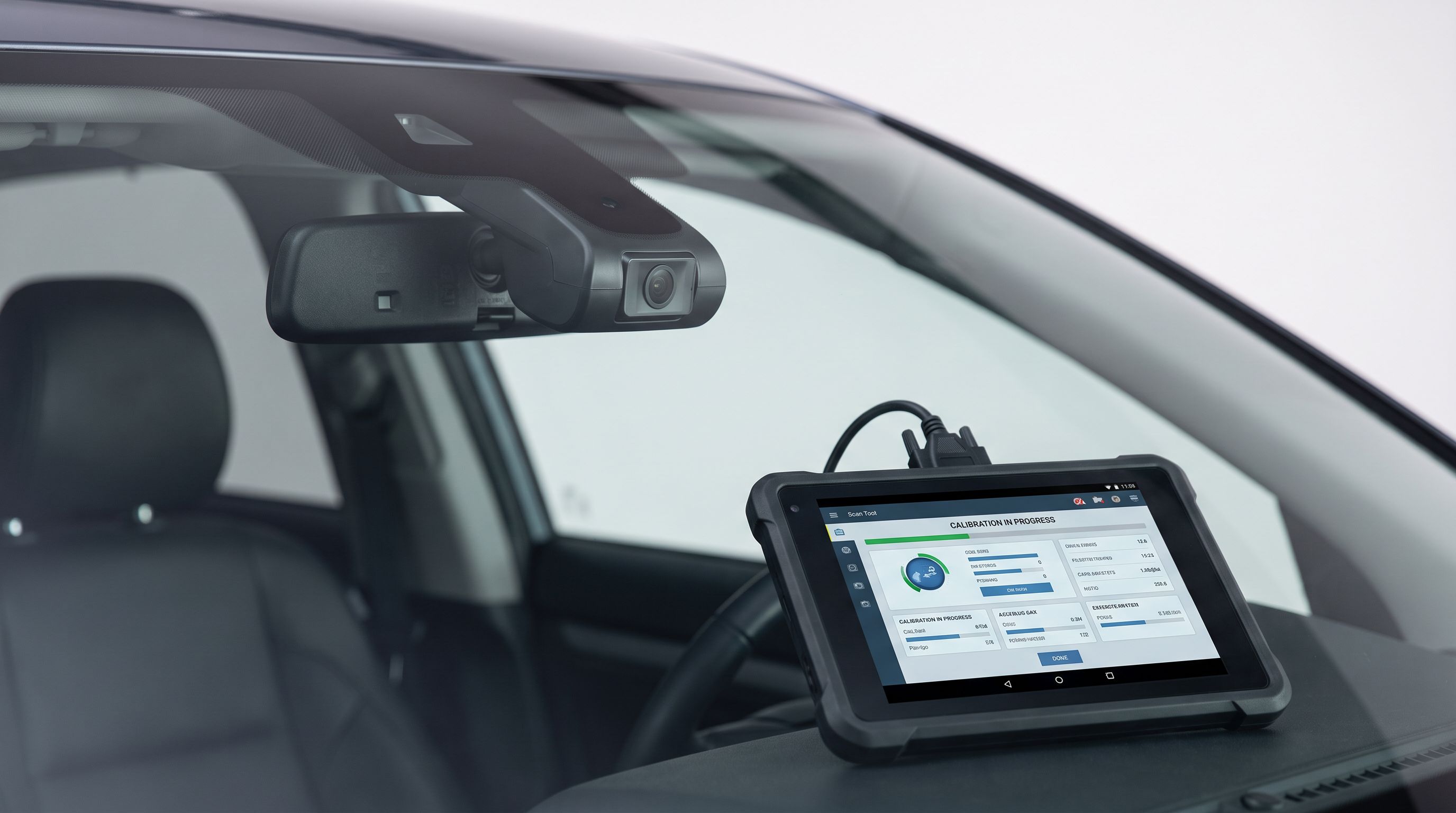
ADAS Calibration Scan Tool 2026: What a Windshield Swap Needs
A windshield swap can blind your lane-keep camera. Here's how ADAS calibration works in 2026 and which scan tools actually run static and dynamic routines by make.
Prime Big Deal Days OBD2 Scanners: Which Tier Is Worth It
Prime Big Deal Days runs October 6–7, 2026. Here's how to judge prime day OBD2 scanner deals by capability tier — code reader, live data, or bidirectional.
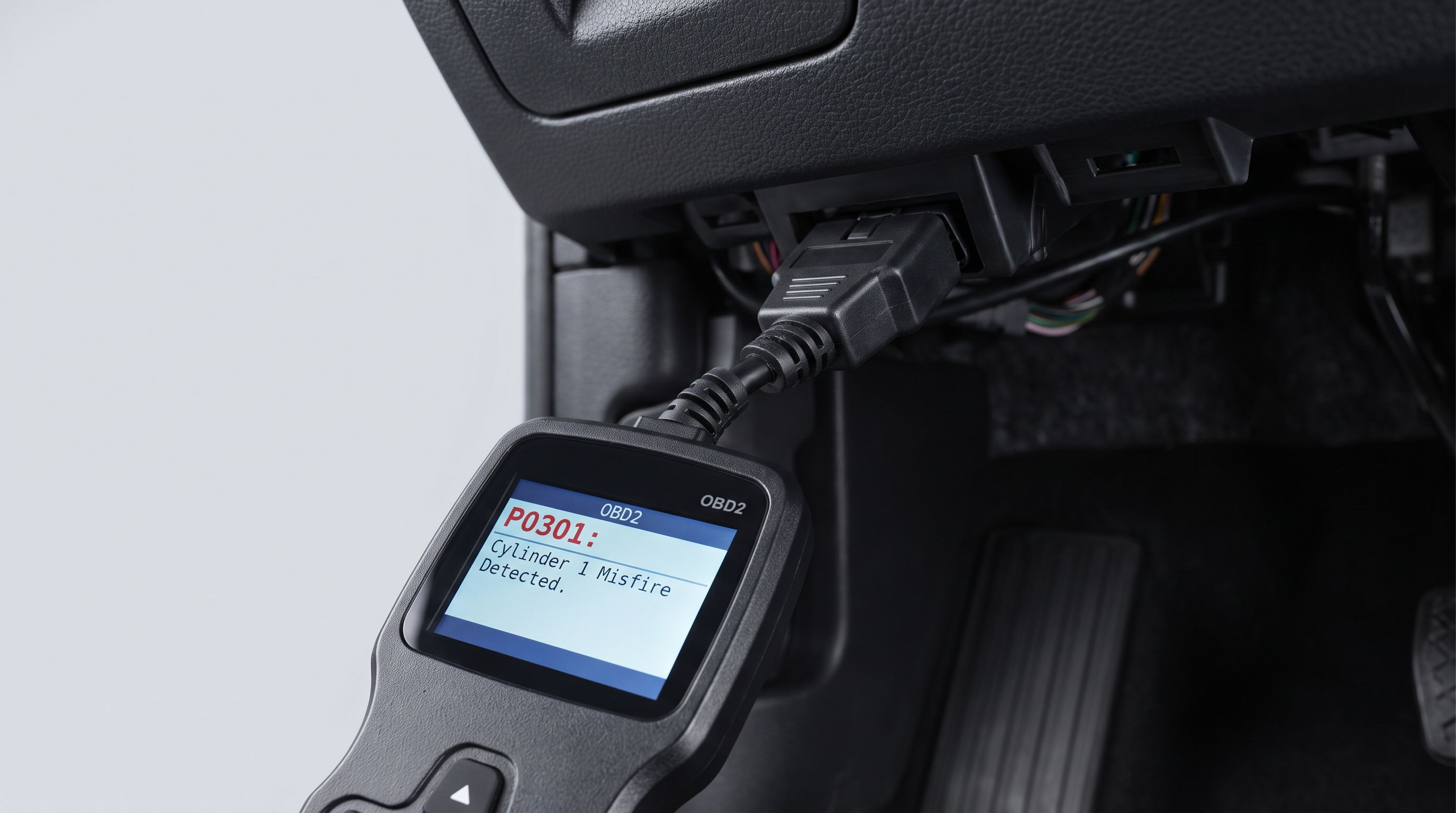
OBD2 Codes, Explained: Reading Them Without Guessing
What P0171, P0300 and P0420 actually tell you — and the live data that separates a real diagnosis from a parts-cannon guess. Plus when a scanner pays off.