Rear Dash Cam for Pickup Truck 2026: Cab Glass vs Tailgate
Where a rear dash cam can actually mount on a pickup in 2026 — inside the back glass, under the third brake light, or at the tailgate — plus cable lengths and IP ratings.
Reader-supported: we may earn a commission from links on this page, at no extra cost to you. It never affects our picks. Learn more.
Pickups break most of the assumptions dash cam makers build around. A rear camera designed for a hatchback expects a sloped piece of glass a few feet behind the driver, a headliner to tuck wire into, and a short run of cable. A crew-cab truck gives you a near-vertical rear window, a bed, a tailgate, and potentially 10 extra feet of distance between the front camera and wherever you actually want the rear lens.
So before you buy a rear dash cam for a pickup truck, the real question isn't "which camera is sharpest?" It's "where is this thing going to live?" That answer drives everything else: cable length, waterproof rating, mounting hardware, and whether a tonneau cover or camper shell just erased your field of view.
The short version
- Best overall: Viofo A329S 2CH
- Best for cab-interior coverage: Vantrue N4 Pro
- Best waterproof exterior rear option: Vantrue E360
- Budget pick: Rove R2-4K Dual
- Best for simple setup: 70mai T800
 Best for simple setup · 70mai T800 — Check price on Amazon →
 Budget pick · Rove R2-4K Dual — Check price on Amazon →
 Best waterproof exterior rear option · Vantrue E360 — Check price on Amazon →
 Best for cab-interior coverage · Vantrue N4 Pro — Check price on Amazon →
 Best overall · Viofo A329S 2CH — Check price on Amazon →
GarageProof researches and compares products using manufacturer specs, independent reviews and verified owner feedback. We don't physically test units — what follows is ranked on documented specs and consistent patterns in owner reports.
Three places a rear camera can actually go on a pickup
1. Inside the cab's rear glass
This is the default, and for most trucks it's the right answer. The camera sticks to the inside of the back window, stays dry, stays out of the weather, and runs on the short-to-medium cable most kits ship with.
What you give up: everything the bed blocks. A tall bed rail, a toolbox, a load of lumber, or a tonneau cover will eat the lower half of the frame. On a lifted truck the camera also sits high and angles down steeply, which compresses the view of a car tailgating you. And if your back glass is heavily tinted — common on trucks — night footage loses a lot. Privacy glass plus a camera behind it can turn headlights into unreadable smears.
Sliding rear windows add a wrinkle: mount on the fixed pane, not the sliding one, or you'll either shear the adhesive or lose the view every time you open it.
Cable reality: a crew cab still needs the wire to travel from the windshield, along the headliner, down the B-pillar or along the roof line, to the back glass. Most 2-channel kits ship with roughly 20 feet of rear cable, which is usually enough — but check before you buy.
2. Under the third brake light / cab roof line
The CHMSL housing at the top of the cab is a tempting spot. It's outside the glass (no tint penalty), it's high enough to see over most loads, and on many trucks there's an existing wiring pass-through nearby.
What you give up: you're now outside, so the camera has to be properly weather-sealed — look for an IP67 or IP68 rating, not a vague "water resistant" claim. You also need a mount that survives a car wash and freeway speeds, and you need to make the cable entry watertight. Drilling a factory brake-light housing is permanent; a lot of owners instead mount a small bullet-style camera to the cab seam or use an existing antenna/third-brake-light grommet.
This is also the spot where a camper shell or high-rise cap forces the decision — with a shell, the inside-glass option is dead anyway, and roof-line mounting becomes the practical route.
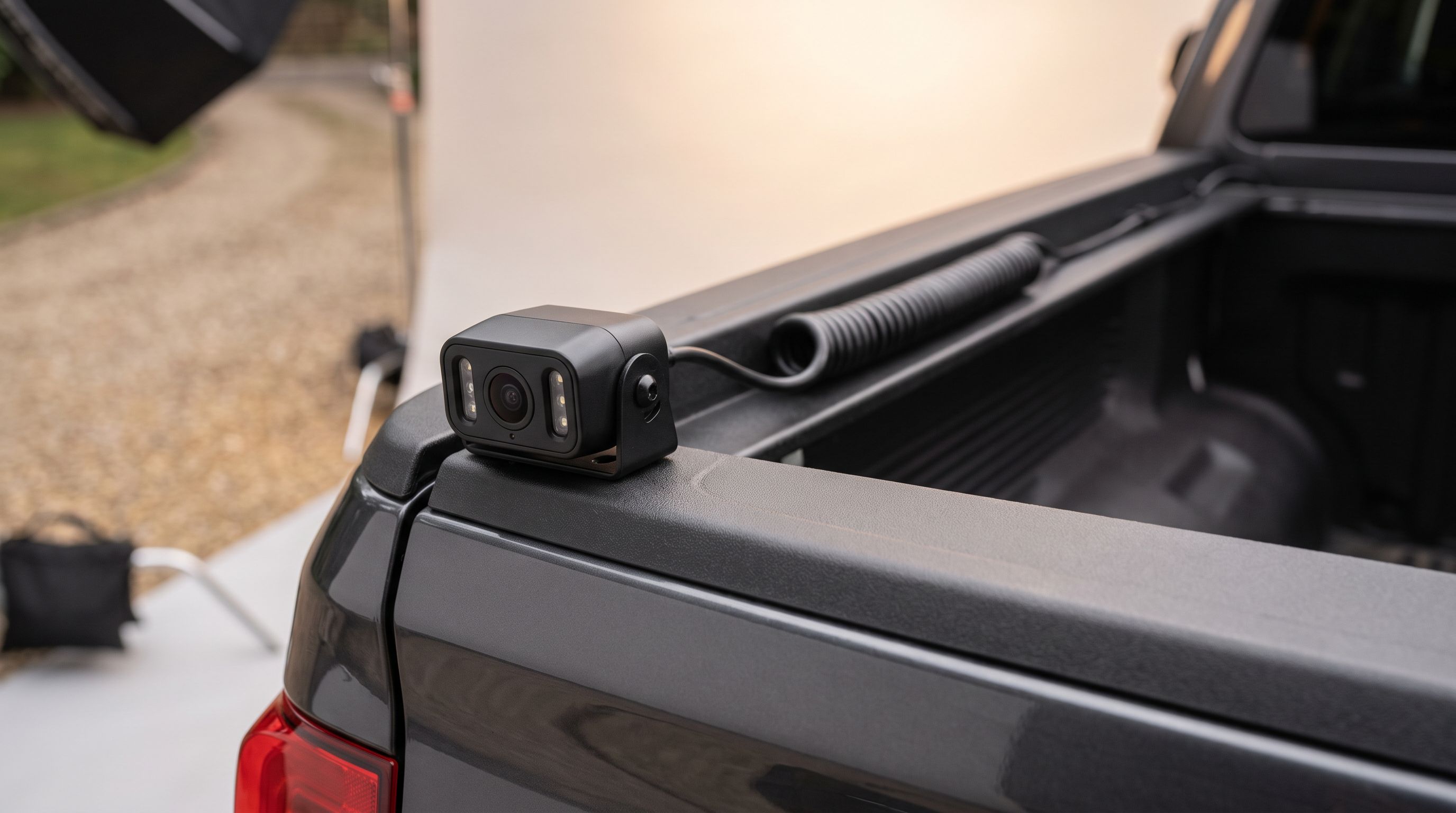
3. At the tailgate
Mounting low, at the tailgate or just above the license plate, gives you the closest thing to a true rear view: you see bumpers, plates and bumper-level damage clearly. It's the best position for documenting a rear-end hit.
What you give up: the longest cable run of the three, by a wide margin. A long-bed truck can need 25–33 feet of rear cable routed through the cab, out a grommet, down the frame or along the bed rail, and into the tailgate. You also have to handle the tailgate hinge — any wire crossing a hinge needs slack and a loom, or it will fail. Some owners dodge this by mounting on the bed rail or the rear bumper instead of the gate itself. And a low camera gets filthy fast; expect to wipe the lens regularly.
Some drivers solve it differently: keep the dash cam's rear channel inside the glass for evidence, and run a separate wireless or wired backup camera at the tailgate for parking. Two devices, two jobs, no compromise.
Comparison: the four picks at a glance
| Product | Rear camera style | Best mount location | Channels | Standout trait |
|---|---|---|---|---|
| Viofo A329S 2CH | Compact wired rear cam, long extension | Cab glass or roof line | 2 | 4K front, strong low-light performance |
| Vantrue N4 Pro | Interior rear cam; waterproof exterior rear available | Cab glass or exterior | 3 | Cabin channel for fleet/rideshare use |
| Vantrue E360 | Pairs with IP67-rated exterior rear cam | Brake light or tailgate | 2 | Weather-sealed exterior option |
| Rove R2-4K Dual | Small interior rear cam | Cab glass | 2 | Mainstream price, Sony STARVIS 2 front |
| 70mai T800 | Optional rear module | Cab glass | 1–2 | Simple app and tidy install |
Cable lengths and exterior-camera availability change between model revisions. Confirm the included rear cable length and the IP rating on the specific listing before you buy — especially if you're planning a tailgate run.
The picks
Viofo A329S 2CH — best overall
Prices last checked November 10, 2026. Amazon prices change frequently, so treat these as a guide and check the live price before you buy.
Viofo A329S 2CH
4K front with a compact rear cam and long extension lead — the most flexible mounting kit for a pickup.
Viofo has become the default recommendation among enthusiasts for a reason: image quality, reliable parking modes, and a rear channel that doesn't feel like an afterthought. The A329S pairs a 4K front camera with a compact rear unit, and Viofo's rear extension cables are available in longer lengths, which matters enormously on a crew cab. The rear camera is small enough to tuck tight against the back glass without blocking the rear-view mirror.
What it gives up: the standard rear camera is designed for interior mounting — it is not a weather-sealed exterior unit, so tailgate mounting means buying into a different rear module or accepting an inside-glass position. The menu system also rewards patience; it's feature-dense rather than friendly.
Vantrue N4 Pro — best for cab-interior coverage
Vantrue N4 Pro
Three-channel setup covers road, cabin and rear glass, with an optional waterproof exterior rear cam.
If your truck does double duty — work crew, rideshare, teen driver, or you just want a record of what happened inside the cab — the N4 Pro's three-channel layout is hard to beat. You get road, cabin and rear simultaneously, with infrared illumination for the interior channel so the cab footage is usable at night. Vantrue has built a reputation with commercial drivers, and the N4 line reflects that: it's built to run long hours.
What it gives up: three channels means three files, which eats card space quickly — plan on a high-endurance card of 256GB or more. The unit is also physically larger than a single-channel cam, which can crowd a smaller windshield area behind the mirror.
Vantrue E360 — best waterproof exterior rear option
Vantrue E360
Works with Vantrue's IP67-rated exterior rear camera, ideal for tailgate or brake-light mounting.
The E360's appeal for truck owners is what it can be paired with: Vantrue offers an IP67-rated exterior rear camera that's designed to live outside, which is exactly what a brake-light or tailgate mount demands. If you've already decided the view from inside the back glass is useless — because of a tonneau, a toolbox, a shell, or heavy tint — this is the practical path.
What it gives up: exterior mounting is a real install, not a 20-minute job. You'll be routing cable through a grommet, sealing the entry point, and securing the line against vibration. Budget an afternoon, or budget for a shop. Confirm the exterior rear camera is included or sold separately on the listing you're looking at.
Rove R2-4K Dual — budget pick
Rove R2-4K Dual
Sony STARVIS 2 front sensor and a simple interior-glass rear cam at a mainstream price.
The R2-4K Dual is consistently one of Amazon's best-selling dash cams, and it earns that with a Sony STARVIS 2 front sensor and a straightforward two-channel package at a mainstream price. For a driver whose main concern is the front of the truck — with a rear channel mostly to prove "they hit me, I didn't hit them" — this covers it without overspending.
What it gives up: the rear camera is an interior-glass unit with a modest sensor, so expect noticeably softer night footage than the front. Parking-mode features and app polish also trail the enthusiast brands. Verify the rear cable length is long enough for your cab before counting on it.
70mai T800 — best for simple setup
70mai T800
Clean app experience and tidy cabling for drivers who want the rear cam on the back glass and done.
Some people want a dash cam, not a hobby. The 70mai T800 is the pick for that mindset: clean app, sensible defaults, tidy cabling, and a setup process that doesn't require a forum thread. It's the kind of camera you install once and then forget until you actually need the footage.
What it gives up: mounting flexibility. 70mai's ecosystem is built around conventional cars, so if your plan involves a 30-foot run to a tailgate or an IP67 exterior housing, this isn't the platform. Treat it as a back-glass solution and it performs well.
How to choose
Match the cable length to your cab and bed
This is the single most-skipped step. Measure the actual route — not the straight-line distance — with a piece of string: windshield, across the headliner, down a pillar, along the trim, and out to the camera position. Add 20% for slack and service loops. Inside-glass on a crew cab typically works with a stock ~20-foot lead. A tailgate mount on a long bed often needs 26–33 feet, which means buying an extension or a kit that offers one. A cable that's barely long enough will be pulled tight at a hinge and fail.
Don't accept vague waterproofing claims
If any part of the camera lives outside the cab, insist on a published IP rating — IP67 or IP68. "Water resistant" with no number is marketing. Also check the connector: many failures happen at the plug, not the camera body, so look for a sealed or shrouded connection and wrap the junction regardless.
Check what blocks the view before you mount
Sit in the driver's seat and look through the back glass. Now imagine a tonneau cover closed, a toolbox installed, and a load in the bed. If any of those are part of your life, the inside-glass position is compromised and you should plan for a roof-line or tailgate mount from the start. Tint is the other silent killer — heavily tinted rear glass can halve usable night detail.
Decide whether you also need parking surveillance
Trucks get hit in parking lots, and bed theft is a real problem. Parking mode requires constant power, which means a hardwire kit tapping the fuse box with a voltage cutoff to protect the battery — not the cigarette lighter. If parking coverage matters, confirm the model supports buffered or motion-triggered parking recording and budget for the hardwire kit as part of the purchase.
Plan the card, not just the camera
Multi-channel 4K footage writes constantly, and consumer microSD cards die under that load. Use a high-endurance card rated for continuous video, size it to your channel count, and format it in-camera every month or two. A dash cam with a dead card is an expensive decoration.
FAQ
Can I mount a rear dash cam on my tailgate? Yes, and it gives the best bumper-level view — but it requires a weather-sealed camera with a published IP rating, a long rear cable (often 26–33 feet on a long bed), and careful routing with slack where the wire crosses the tailgate hinge. Most people who go this route use an exterior-rated rear module like the one offered with the Vantrue E360.
Will a tonneau cover block my rear camera? If the camera is inside the back glass, almost certainly — a closed hard or soft cover sits right in the lower frame. Mounting at the cab roof line above the brake light or at the tailgate solves it.
Does tinted rear glass hurt dash cam footage? Yes, especially at night. Factory privacy glass on trucks is dark, and shooting through it costs you plate legibility. If your rear glass is heavily tinted and you care about night evidence, mount outside the cab.
Do I need to drill into my truck? Not usually. Most installs use existing grommets, the third-brake-light wiring pass-through, or cable routed along bed rails with adhesive clips. Drilling is a last resort and should always be followed by a sealed grommet and anti-corrosion treatment on bare metal.
Is a rear dash cam the same as a backup camera? No. A backup camera shows a wide, fisheye, low-mounted view on a screen for parking. A rear dash cam records continuously for evidence. Some truck owners run both — dash cam behind the glass, backup camera at the tailgate.
How do I know a kit fits my specific truck? Dash cams aren't vehicle-specific the way a bumper or a brake pad is, but mounting hardware and cable length are. Before buying, check the listed rear cable length against your measured route, and search owner reviews for your year, make and model — especially for sliding rear windows and camper shells.
Get the best car care deals in your inbox
Join the GarageProof newsletter for hand-picked car care deals and new buying guides. No spam, unsubscribe anytime.
Related reads
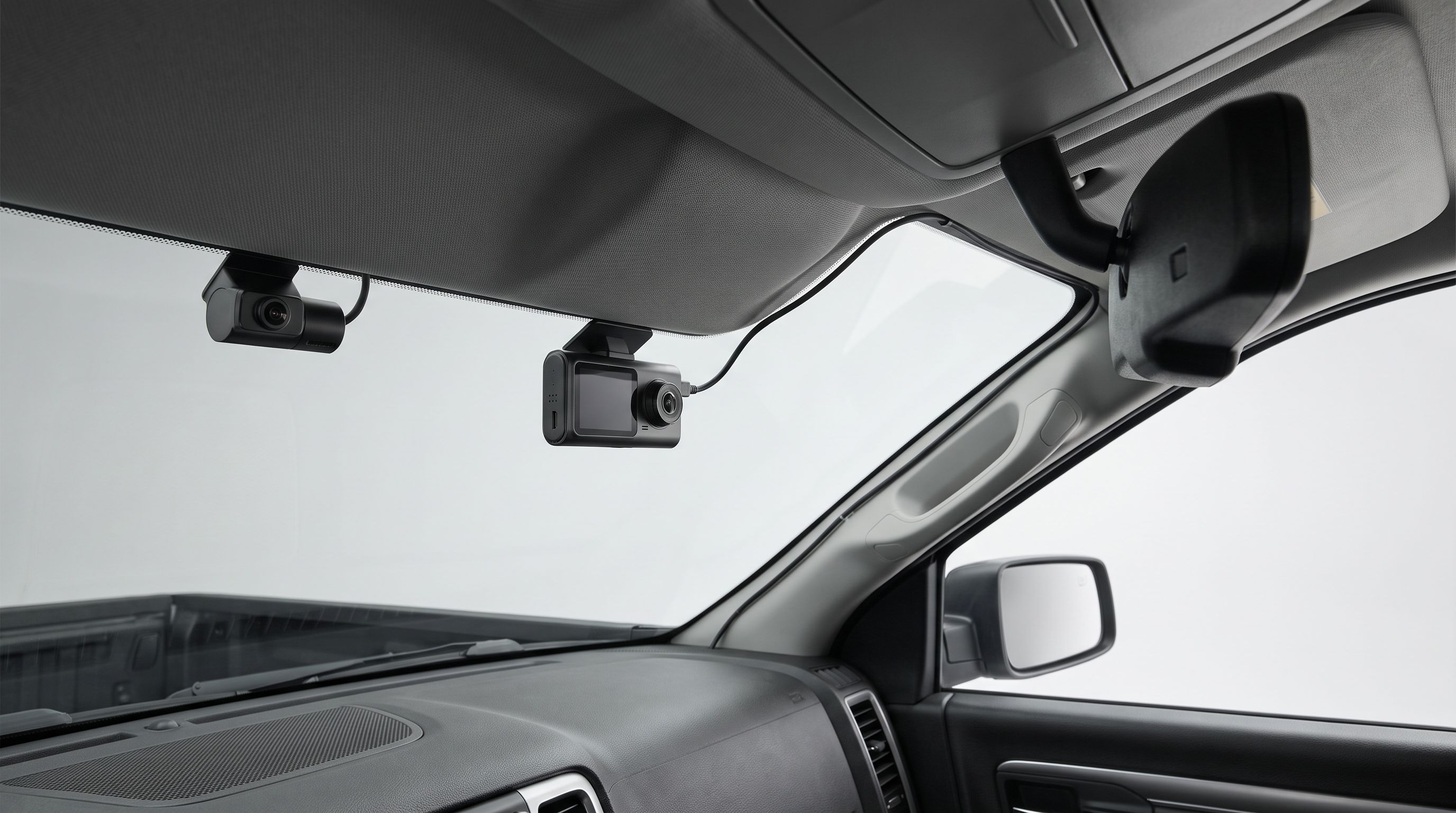
Truck Front and Rear Dash Cams in 2026: Cab Wiring Fit
Picking a dash cam for trucks front and rear in 2026 comes down to cable length, headliner depth and fuse box access. Five picks compared for pickup installs.
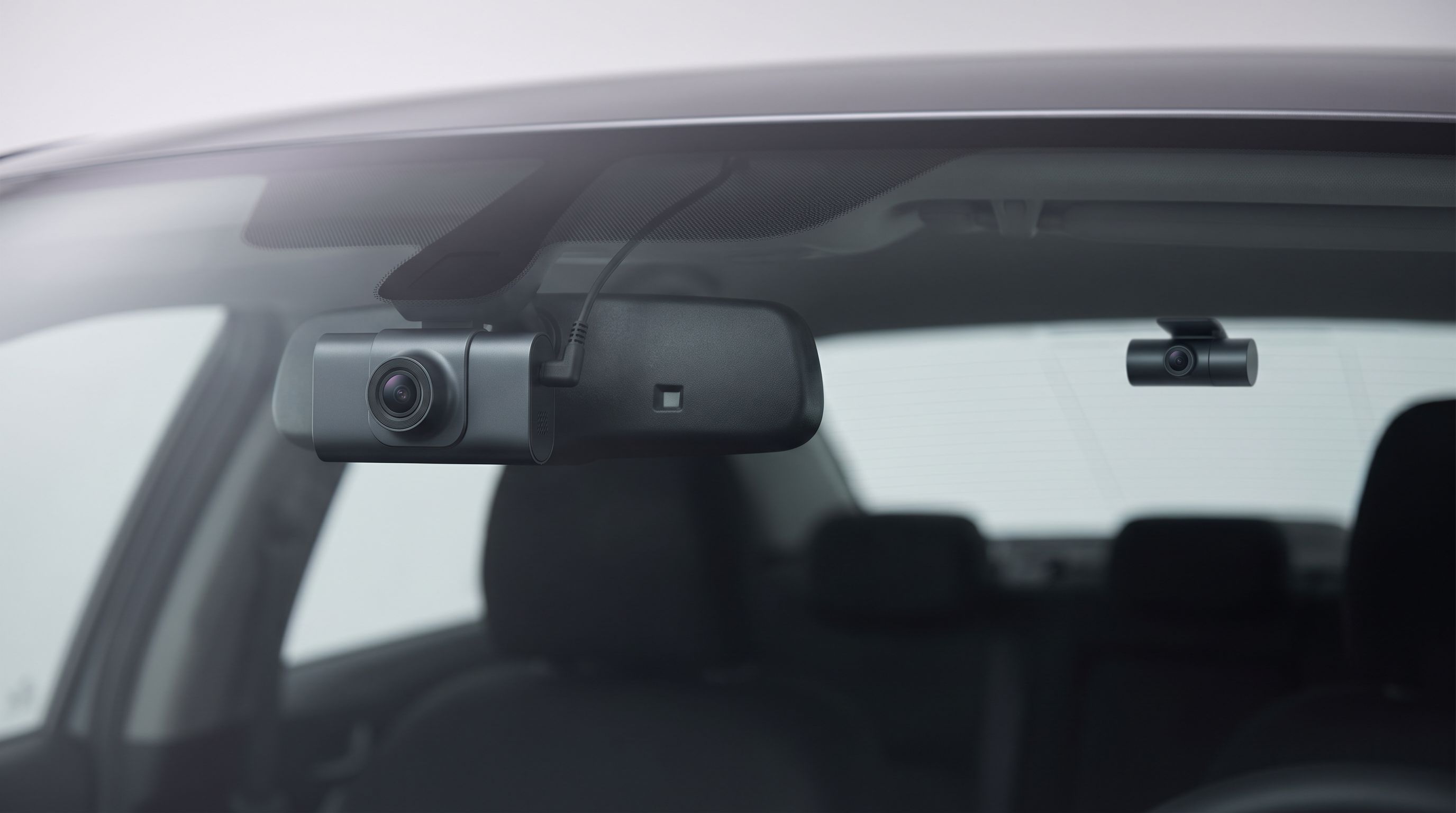
4K Dash Cams With Rear Camera: 5 Picks Worth Wiring In
We compared the best 4K dash cams with rear camera for 2026 — Viofo, Vantrue, 70mai and Rove — on rear resolution, night video, parking mode and plate legibility.
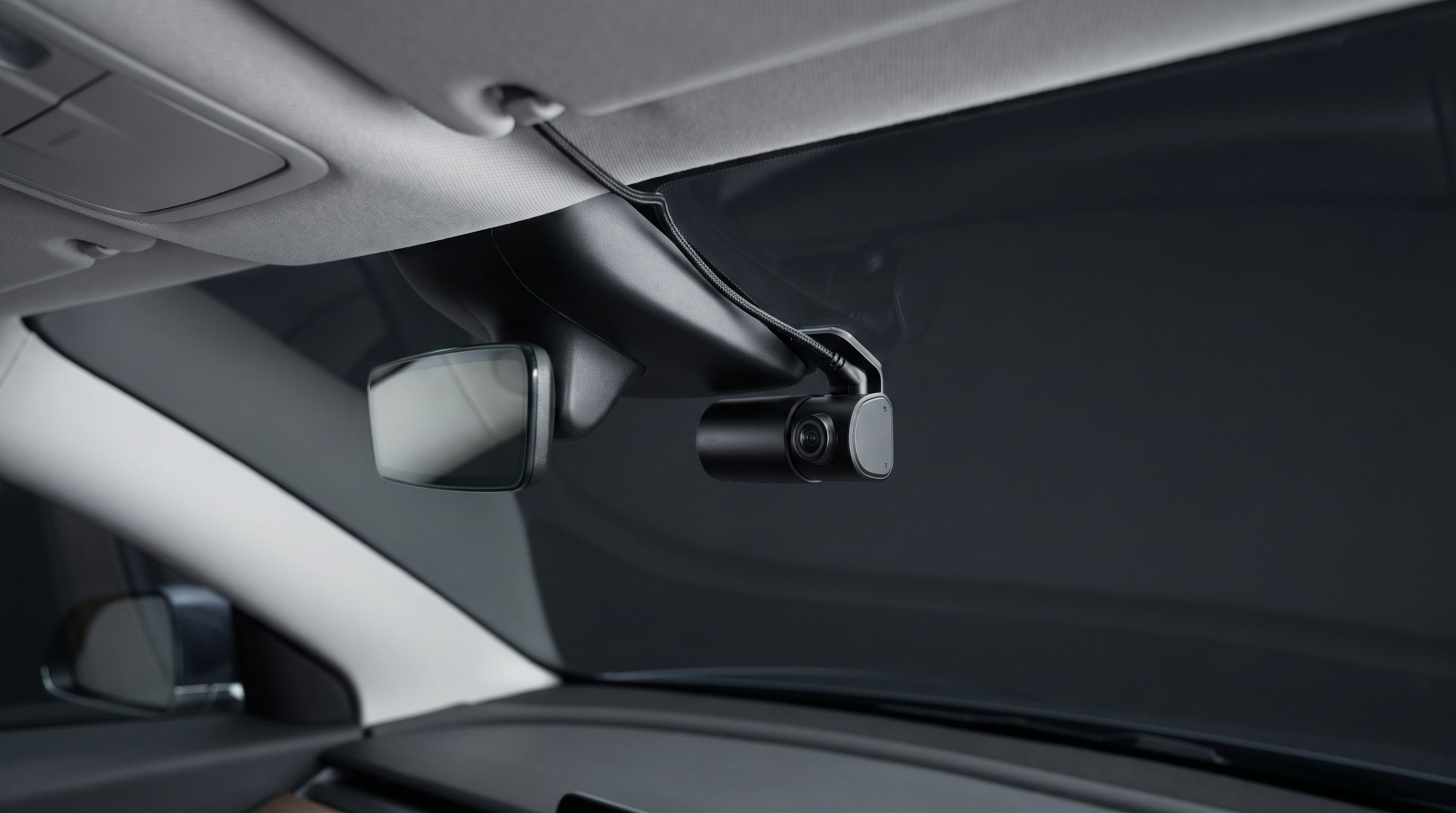
Dash Cam for a Leased Car in 2026: No-Drill Power Routes
The best no-drill dash cam setups for leased cars in 2026 — OBD and fuse-tap power, adhesive mounts, and how to route cables around A-pillar airbags safely.