PSI vs. GPM, Explained: Why More Pressure Fails Cars
Pressure washer PSI is the number marketers sell you; GPM is the number that rinses your car. Here's what the spec sheet hides — and which nozzles are safe.
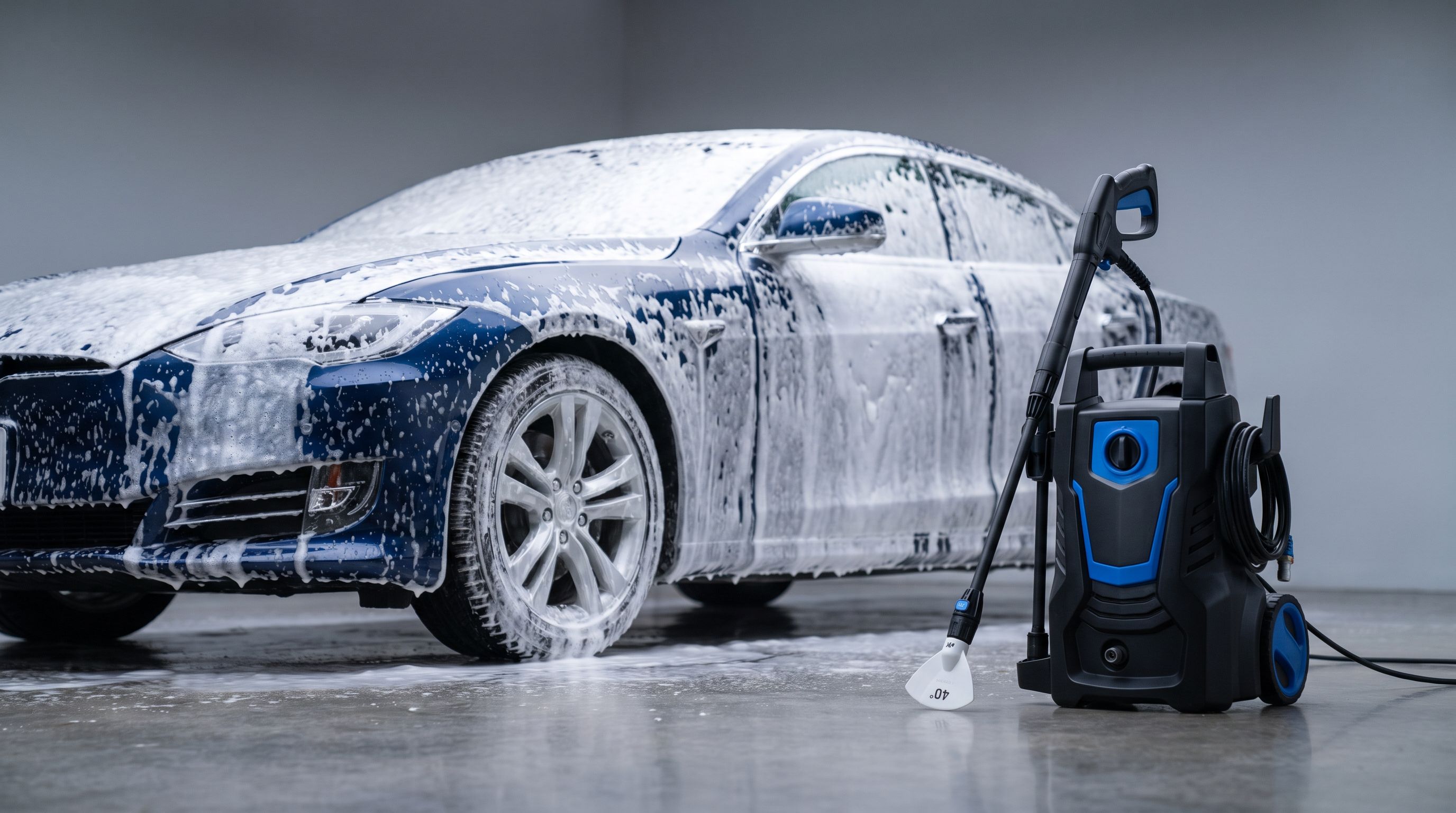
Reader-supported: we may earn a commission from links on this page, at no extra cost to you. It never affects our picks. Learn more.
The number on the box is the wrong number
Walk down the pressure washer aisle — or scroll the listings — and one figure is printed in the biggest font: PSI. 2000. 2300. 3200. It's the spec that sells machines, because it sounds like power, and power sounds like clean.
For washing a car, it's mostly the wrong metric to optimize.
Pressure is what breaks a bond between dirt and paint. Flow — GPM, gallons per minute — is what carries that loosened dirt off the panel and down the driveway. Raise pressure past the point where contamination releases and you gain nothing except risk: lifted clear coat edges, water forced past window seals and taillight gaskets, chipped stone-chip touch-ups, blasted trim clips, and stripped wax or sealant. Raise flow, and every rinse gets faster, foam gets thicker, and the machine stops feeling like it's nibbling at the car one square foot at a time.
The detailing world has quietly known this for years. The retail market is only now catching up in how it markets machines.
What's happening now
The consensus range you'll find across current buying guides, detailing forums, and enthusiast threads is remarkably tight. Reviews and roundups published for car washing generally point to roughly 1,200–2,200 PSI as the productive window for vehicle exteriors, with some detailing references widening it to 1,000–2,000 PSI paired with 1.2–3.0 GPM. Car-focused test roundups commonly cite 1.2–2.5 GPM as the flow band that actually makes automotive cleaning efficient, and describe something like a 1,900 PSI / 2.0 GPM machine as a sweet spot. Owner forums — including BMW M3 threads where people are understandably paranoid about their paint — land in the same place: 1,200–1,900 PSI is described as safe for vehicles, with 1.4–1.6 GPM recommended as a practical flow target.
Notice what's missing from all of those: anyone recommending 3,000+ PSI for paint.
The second shift is that flow has become a marketing bullet at all. Ryobi's newer "high flow" electric models are being compared head-to-head against the older 1,800 PSI machines in enthusiast video content specifically on the question of whether more flow beats more pressure for touchless washing. That framing — flow versus pressure, on a car — would have been niche detailer talk five years ago. In 2026 it's showing up in mainstream product positioning.
Why? Because foam cannons changed the workflow. A snow-foam pre-wash is a chemical process: you want dwell time, coverage, and a thick clinging layer. Foam cannons are flow-hungry devices. A high-pressure, low-flow machine makes thin, watery foam that slides off in twenty seconds. A moderate-pressure, higher-flow machine makes the thick shaving-cream layer people actually want. Same soap, different plumbing.
The real players and shipping products
Most of the machines people actually buy for car washing today are electric, and electrics are inherently flow-limited — a standard household circuit only supports so much motor. That constraint is precisely why manufacturers lean on PSI in their marketing: it's the cheap number to inflate.
A few real examples of how the specs shake out on paper:
| Machine | Rated PSI | Rated GPM | Why it's relevant to cars |
|---|---|---|---|
| Sun Joe SPX3000 | ~2030 | ~1.76 | High flow for an entry electric; dual detergent tanks, five quick-connect nozzles |
| Ryobi RY142300 brushless | ~2300 | ~1.2 | Brushless motor, popular with detailers; pressure-forward, flow-modest |
| Greenworks GPW2000-1 | ~2000 | ~1.2 | Sits inside the commonly cited car-safe pressure window |
 Closest you can buy today · Sun Joe SPX3000 Electric Pressure Washer — Check price on Amazon →
Read that table the way a detailer would, not the way the box wants you to. The Sun Joe SPX3000's roughly 1.76 GPM is arguably its most useful automotive spec, not its 2030 PSI — that flow is what feeds a foam cannon and shortens rinse passes. The Ryobi RY142300 trades flow for pressure and brushless motor longevity; it's a fine car machine, but its advantage is durability and the nozzle system, not the 2300 number. The Greenworks GPW2000-1 is a reminder that "2000 PSI" is already at the top of what paint needs.
Also worth naming: manufacturer PSI ratings are typically maximum or unloader-limited figures, not sustained working pressure at the nozzle. That's the pressure-washer equivalent of "peak amps" on a jump starter. Two machines both badged 2000 PSI can deliver very different real-world output depending on pump type, hose length, and inlet supply. Reviews consistently note that a starved water inlet — a kinked hose, a low-flow spigot — quietly cripples any machine regardless of the label.
Nozzles: the part that actually determines safety
Here's the leverage point almost nobody optimizes. Nozzle selection changes effective impact pressure on the surface far more dramatically than buying a machine with 300 more PSI.
Standard color-coded quick-connect tips, near-universal across brands:
- Red, 0° — a pencil jet. Never on a vehicle. It concentrates all energy into a point and will mark paint, badges, and trim.
- Yellow, 15° — concrete and wheel wells at distance. Too aggressive for painted panels in most hands.
- Green, 25° — usable for wheels, tires, and arches. Keep it off clear coat unless you're deliberate about distance.
- White, 40° — the default car nozzle. Wide fan, spread energy, safe rinsing.
- Black, soap/low-pressure — drops pressure to draw detergent.
A 40° white tip on a 2000 PSI machine is gentler on paint than a 25° green tip on a 1,300 PSI machine, because the fan spreads force across more area. Distance compounds it: doubling standoff distance dramatically reduces impact. The practical rule detailers repeat is to stay roughly 12 inches or more off the panel with a wide fan and never park the jet on one spot — especially near badge edges, chipped paint, vinyl wraps, PPF edges, and rubber seals.
Adding a foam cannon — something like the MATCC foam cannon lance — is the single biggest upgrade to touchless cleaning results, and it works by reducing reliance on pressure. Soap dwells, softens the film, and the rinse pass does the rest.
What it means if you're shopping today
Stop reading the headline PSI. Read the GPM, then check whether the machine ships with a 40° tip and a soap nozzle.
If you already own a 3,000+ PSI gas machine, you don't need to replace it — you need discipline: wide-fan tip, generous distance, and never the red nozzle. If you're buying fresh for a car, the widely cited 1,200–2,200 PSI band paired with the highest GPM you can get on your budget is the grounded target. Between two machines at similar price, the one with more flow will almost always feel better on a car.
And budget for the accessories. A foam cannon, a longer hose, and a proper wide nozzle will change your results more than a spec bump ever will.
What to watch next
Three threads worth tracking through 2026. First, whether "high flow" branding sticks — Ryobi's high-flow positioning suggests manufacturers have found flow is finally a sellable number. Second, battery-powered and low-flow "portable" washers, which are excellent for rinsing and pre-soaking but are firmly in a different flow class; treat their PSI claims with extra skepticism. Third, better standardization of how sustained working pressure is disclosed versus peak — the industry's peak-versus-continuous problem is unresolved, and until it is, GPM remains the more honest spec on the label.
FAQ
Is 3000 PSI safe on car paint? Not with an aggressive nozzle at close range. Current car-focused guidance clusters around 1,200–2,200 PSI. A high-PSI machine can be used on a car with a 40° tip and distance, but you're managing risk that a lower-pressure machine never creates.
What GPM should I look for? Reviews and detailing references commonly cite 1.2–2.5 GPM for automotive work, with 1.4–1.6 GPM called out on enthusiast forums as a practical minimum. More flow means faster rinsing and thicker foam.
Which nozzle should I use on paint? The white 40° tip for rinsing, black soap nozzle for detergent, and green 25° reserved for wheels and wheel wells. Never the red 0°.
Will a foam cannon work on a low-flow machine? It will produce foam, but generally thinner and less clingy. Foam quality tracks flow more than pressure, which is why GPM matters so much in a car-wash setup.
Does hose and spigot supply matter? Yes. A restricted inlet starves the pump and reduces real output regardless of the rated PSI on the box.
Our picks
Sun Joe SPX3000 Electric Pressure Washer
2030 PSI / 1.76 GPM on paper with dual detergent tanks and swappable quick-connect nozzles.
Ryobi RY142300 2300 PSI Brushless Electric Pressure Washer
Brushless electric rated around 1.2 GPM at 2300 PSI, widely used by detailers with foam cannons.
Greenworks GPW2000-1 2000 PSI Electric Pressure Washer
2000 PSI / 1.2 GPM sits right in the recommended car-wash window without gas-machine overkill.
MATCC Foam Cannon Pressure Washer Snow Foam Lance
Turns flow into thick foam for touchless pre-wash — the actual dirt-remover, not raw pressure.
Get the best car care deals in your inbox
Join the GarageProof newsletter for hand-picked car care deals and new buying guides. No spam, unsubscribe anytime.
Related reads
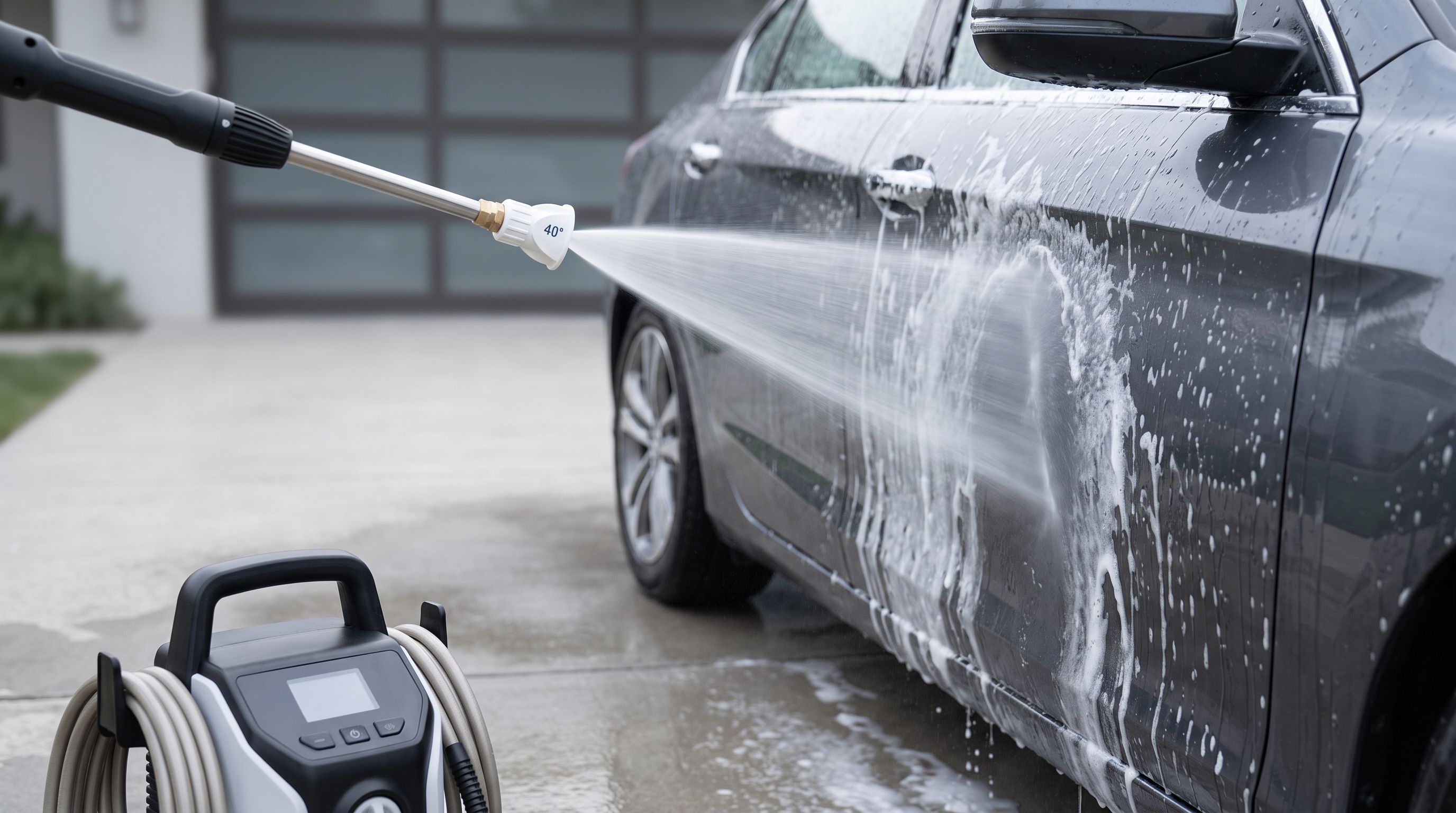
PSI vs. GPM for Car Washing, Explained
Why chasing high PSI is the wrong move for washing cars, how GPM and cleaning units actually work, and which nozzles keep paint safe in 2026.
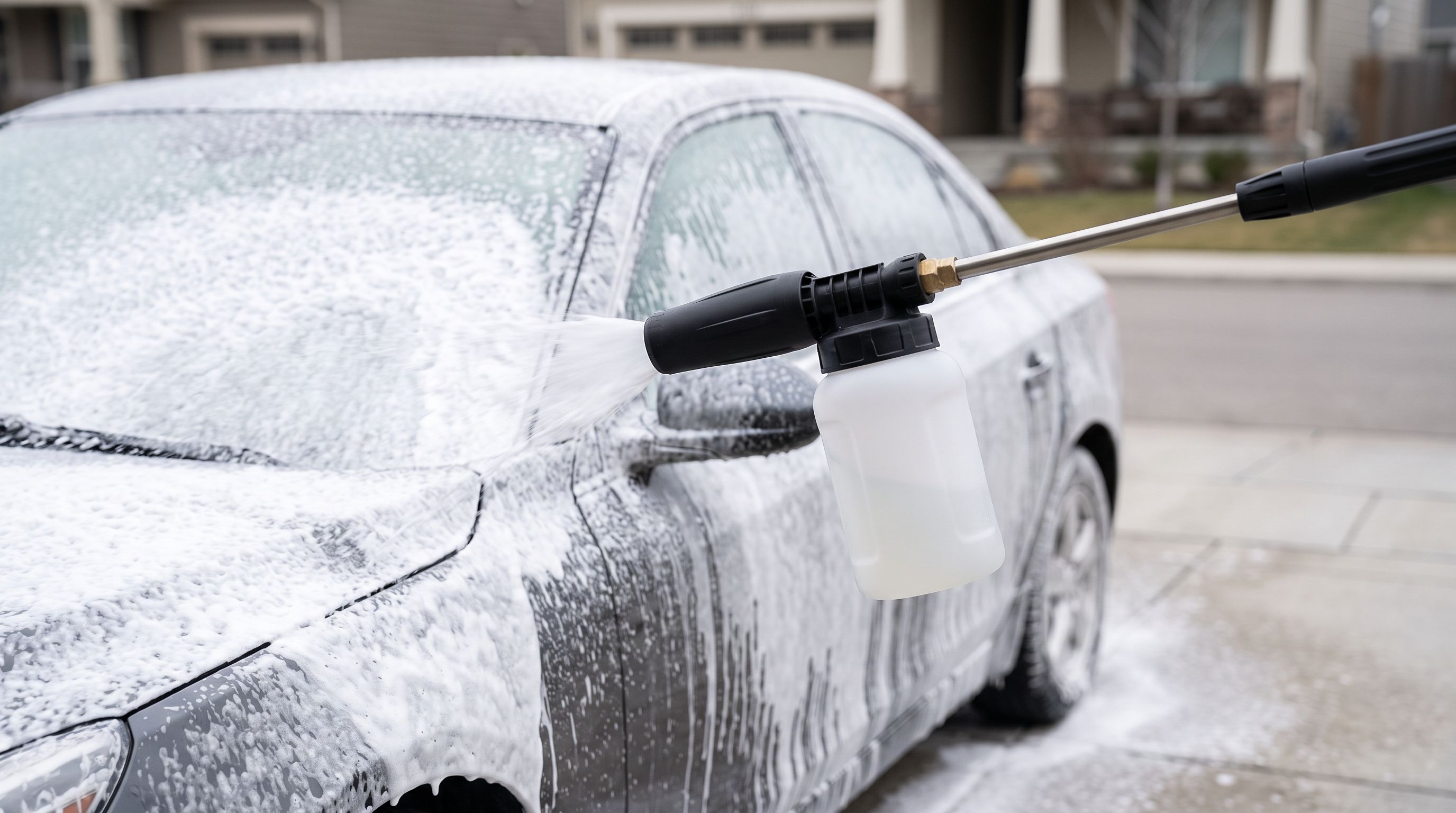
Foam Cannon Buying Guide 2026: Match Orifice to Your Washer
The best foam cannon for your pressure washer depends on orifice size, GPM and quick-connect fit. Here's how to match them — plus four picks for 2026.
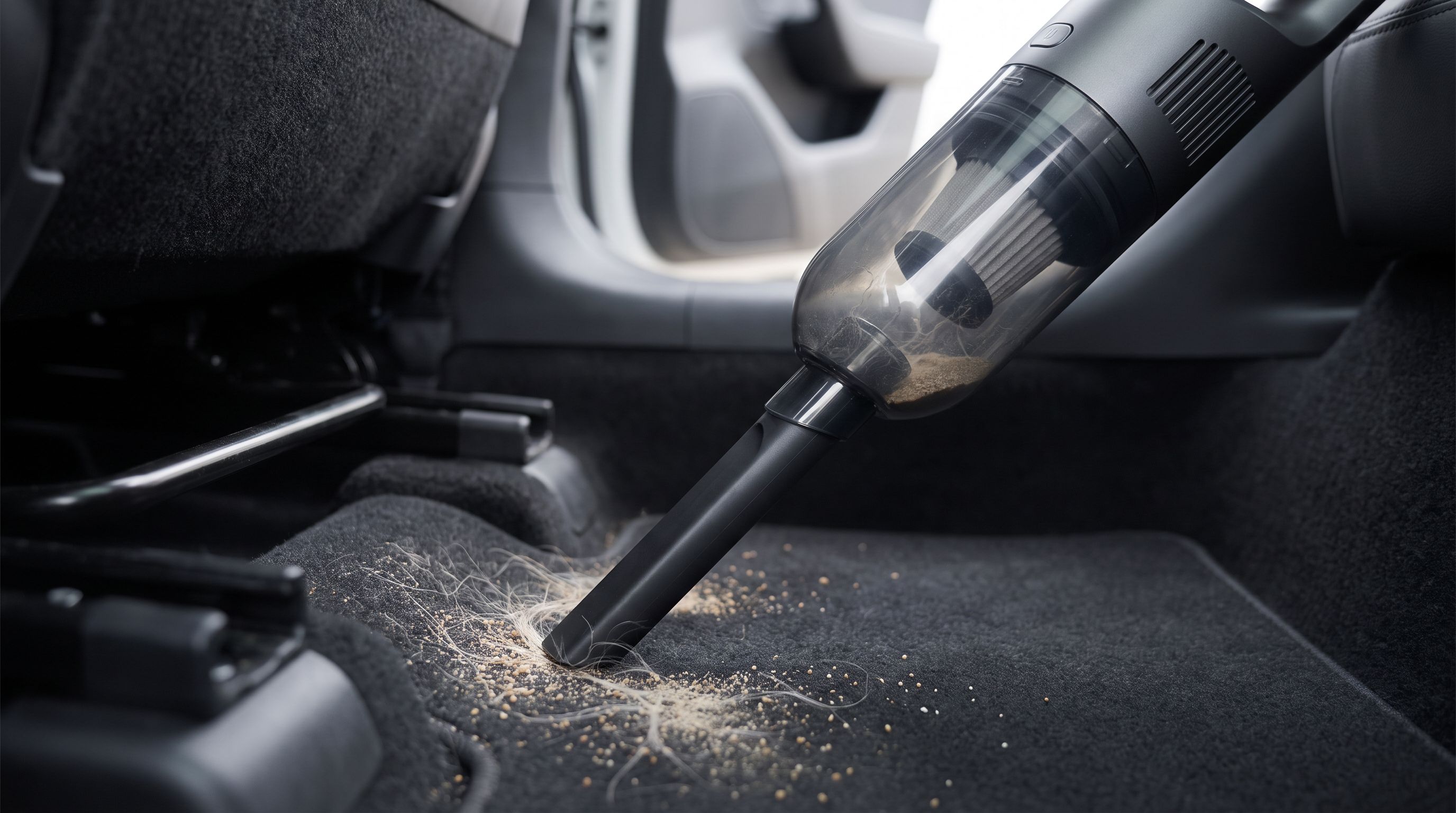
Car Vacuum Suction Ratings, Decoded for 2026
Air watts, kPa and "20,000Pa" claims explained — why the spec on the box rarely predicts how a car vacuum handles pet hair, sand and floor mats.