Prime Big Deal Days EV Chargers: Which Specs Actually Matter
Prime Day EV charger deals run Oct 6–7, 2026. Amperage, connector standard and install cost decide fit before any discount does — here's how to judge both.
Reader-supported: we may earn a commission from links on this page, at no extra cost to you. It never affects our picks. Learn more.
Prime Big Deal Days 2026 runs October 6–7 — a 48-hour event that opens at 12:01 a.m. PDT on Tuesday, October 6 (3:01 a.m. EDT) and closes at the end of Wednesday, October 7. It is exclusive to Amazon Prime members, so you need a membership or a free trial to buy at the deal price. Amazon runs the event in 22 countries and says dates can vary by country; GarageProof covers amazon.com in the US.
Here is the part that matters more than the event: a home Level 2 charger is one of the few garage purchases where the wrong spec makes the discount worthless. If you buy a 48-amp unit and your panel can only support a 40-amp circuit, you have bought a space heater with a cable. If you buy a hardwired unit and you were planning to take it with you when you move, you have bought a permanent fixture. And if you buy the wrong connector, you have bought an adapter habit.
So lead with the decision, not the sale. The three things that decide this purchase are amperage (and what your electrical panel can actually feed it), connector standard (J1772 vs. NACS), and plug-in vs. hardwired, because that last one determines whether you're also paying an electrician. The discount is real money — Level 2 hardware is the highest-ticket item in the EV accessory world — but only after those three questions are answered. Get them right and a sale price is genuinely good value. Get them wrong and no percentage saves you.
How to choose
Amperage: your panel decides this, not the charger
Charger output is limited by the branch circuit feeding it. A 40-amp charger needs a 50-amp circuit; a 48-amp charger needs a 60-amp circuit, and at 48 amps most jurisdictions require it to be hardwired rather than plugged in. The general rule is continuous load at eighty percent of breaker rating.
Before you shop, find out what your panel has spare. An older home with a smaller service and a heat pump, dryer, range and water heater already on it may have very little headroom. Options then are a load-management device, a smaller-amperage charger, or a service upgrade — and a service upgrade costs far more than any charger discount is worth.
Also check what your car can accept. Many EVs cap onboard AC charging well below 48 amps. If your vehicle tops out lower, a 48-amp charger charges at exactly the same speed as a 32- or 40-amp unit. Buying more amps than the car can use is the most common overspend in this category. The exception worth paying for: you plan to keep the charger through your next vehicle, and you want headroom. That's a legitimate reason — just make it a decision, not an accident.
Connector standard: J1772, NACS, or a unit that handles both
The North American market is mid-transition. Most non-Tesla EVs on the road use the J1772 connector for AC charging; newer vehicles increasingly ship with NACS ports. Tesla vehicles use NACS natively.
Practically, this means:
- A J1772 charger works with most existing EVs, and with NACS cars via an adapter.
- A NACS charger works natively with Teslas and NACS-port vehicles, and with J1772 cars via an adapter.
- Some units, such as the Tesla Universal Wall Connector, include both a NACS connector and a J1772 adapter in the box.
 Best for mixed-connector households · Tesla Universal Wall Connector — Check price on Amazon →
If your household has one EV and will for years, buy the connector that matches it. If you have two cars with different ports, or expect to replace a car soon, the universal approach saves you from keeping a loose adapter alive in the garage — adapters get lost, they add a failure point, and some owners report they make the handle awkward to holster.
Plug-in vs. hardwired: this is the install cost question
A plug-in charger uses a NEMA 14-50 or 6-50 receptacle. If that outlet already exists and is on a correctly-sized, correctly-wired circuit, installation is a mounting bracket and an afternoon. If it doesn't exist, you're paying an electrician either way — and at that point the incremental cost of hardwiring is often small.
Hardwired units generally allow higher amperage, remove the receptacle as a failure point (cheap 14-50 outlets overheating is a known issue), and are usually required for outdoor installs in some interpretations of the code. Plug-in units are portable, renter-friendly, and easier to swap if the unit fails.
Decide this before you shop, because many products are sold as distinct SKUs — plug-in and hardwired versions of the same charger are different listings, and a discount on one is not a discount on the other. Check the listing you're actually looking at.
Cable length, temperature rating and the boring stuff
Measure the run from where the charger will mount to where the car's port sits when parked — on both cars, and in both parking orientations if you back in sometimes. Cable lengths commonly run from around sixteen feet to twenty-five feet. Too short is a daily annoyance; too long is a coiling problem and a heavier handle.
Also check: NEMA rating if it's going outside or in a carport, the listed operating temperature range if you're in a genuinely cold or hot climate, UL or ETL listing (insurance and permitting can hinge on it), and whether cable and holster are rated for the cold — stiff cable in winter is a real complaint in owner feedback.
Software: useful, but don't pay a premium for an app you'll open twice
Scheduling for off-peak rates, energy reporting, utility-program eligibility and load sharing between two chargers are the features that actually earn their keep. Voice assistants and colored LEDs are not. Check whether the manufacturer's app requires an account, whether the charger keeps its schedule if Wi-Fi drops, and whether your utility offers a rebate that requires a specific certified model — that rebate list is worth checking before you buy anything, because it can be worth more than the sale.
How to tell a real discount from a fake one
This category has more pricing theatre than most, because the numbers are large enough that a big-looking reduction is persuasive.
Reference-price inflation. A strikethrough "list price" on a charger listing is frequently a manufacturer suggested figure the product has rarely sold at. The meaningful comparison is not list versus sale — it's sale versus what the same SKU has actually transacted at over the last several months. Ignore the strikethrough entirely.
Check a price history tool before you commit. Camelcamelcamel or Keepa will show you the real trailing price curve for that exact ASIN. Two things to look for: whether the current figure is genuinely below the recent trend, and whether the product dipped to a similar level during an ordinary week in the spring. EV chargers discount reasonably often outside of big events. If a "deal" matches a routine summer dip, you are not being offered anything special.
Current generation or last year's? This is the sharpest trap in EV charging right now, because the NACS transition means manufacturers are refreshing lineups. A steep reduction on a J1772-only model can mean a newer NACS or dual-connector version has replaced it — which is fine if you're certain your car uses J1772 and will for years, and a mistake if you're buying ahead. Check the model number in the listing title against the manufacturer's current product page. Also watch for amperage variants: a discount is often on a lower-amp or single-color SKU while the version you actually want sits at full price.
Bundle padding. Watch for listings that pair a charger with a NEMA adapter, a cable organizer or a travel bag and present the combined "value" as the saving. Accessories carry high margin and low real-world cost. If the bundle's headline reduction is built on the accessories, the charger itself may barely be reduced. Price the charger alone as a separate listing where you can.
Urgency framing. "Deal of the Day," countdown timers and limited-quantity badges are conversion tools first. During a 48-hour event there's a genuine deadline, but that deadline applies to every item — it tells you nothing about whether this particular price is good. Black Friday follows in the same shopping season, and Amazon itself positions Prime Big Deal Days as the opening of that season rather than the only window. A charger you'll own for a decade does not need to be bought inside a countdown.
One more specific to this category: a hardware saving that triggers an unplanned electrical cost is not a saving. If the discounted unit needs a bigger circuit than you have, the electrician's invoice will eclipse it immediately.
The picks, and what each one is for
Check the live price on each product card — we don't quote figures here, and we can't know in advance which products will be reduced during the event.
Tesla Universal Wall Connector — the one to want if your household has mixed connectors
Prices last checked September 26, 2026. Amazon prices change frequently, so treat these as a guide and check the live price before you buy.
Tesla Universal Wall Connector
NACS connector with a J1772 adapter in the box, so a Tesla and a non-Tesla can share one hardwired unit.
This is the dual-standard answer: a NACS connector with a J1772 adapter included, so a Tesla and a non-Tesla EV can share one wall unit. It's hardwired, supports high amperage where the circuit allows, and has the tidiest install of the group. What it gives up: it's not a plug-in unit, so you're committing to an electrician and to leaving it behind if you move. The app ecosystem is Tesla's, which is excellent for Tesla owners and merely adequate if you don't own one.
ChargePoint Home Flex — the one for scheduling, rebates and utility programs

ChargePoint Home Flex Level 2 EV Charger
Mature app, adjustable amperage, and wide recognition in utility rebate and demand-response programs.
ChargePoint's strength is software maturity: reliable scheduling, clear energy reporting, and wide recognition in utility rebate and demand-response programs, which can matter more than hardware specs. It's sold in plug-in and hardwired configurations across a range of amperage settings, so you can match it to your panel rather than the other way around. What it gives up: it's generally the pricier hardware for the raw output, and the app is central enough that owners who want a dumb charger will find it fussy.
Autel MaxiCharger Home — the one for output per dollar with solid build

Autel MaxiCharger Home Level 2 EV Charger
Strong build quality and multiple amperage, connector and install variants — just confirm the exact SKU.
Best output per dollar · Autel MaxiCharger Home Level 2 EV Charger — Check price on Amazon →
Autel's home units are the pragmatic middle: well-reviewed build quality, a choice of amperage variants and both plug-in and hardwired versions, plus app control that's competent without being the main event. Owner feedback generally praises the cable and holster quality. What it gives up: the lineup has enough variants that it's easy to buy the wrong SKU — confirm amperage, connector type and plug-in vs. hardwired on the specific listing. App polish trails ChargePoint's.
Emporia Level 2 EV Charger — the one for a straightforward first home charger

Emporia Level 2 EV Charger
UL listed, plug-in or hardwired, basic scheduling and energy monitoring for a single-EV household.
Best straightforward first charger · Emporia Level 2 EV Charger — Check price on Amazon →
Emporia is the sensible entry point: UL listed, plug-in or hardwired versions, scheduling via app, and integration with Emporia's home energy monitoring if you already run it. For a single-EV household with an existing 14-50 outlet, it covers the job without extras. What it gives up: fewer high-amperage options than the premium units, a less established support reputation, and software that's functional rather than refined.
Grizzl-E Classic — the one for people who want no app at all

Grizzl-E Classic Level 2 EV Charger
Rugged aluminum enclosure, DIP-switch amperage, no Wi-Fi to manage or update.
Best no-app, cold-climate pick · Grizzl-E Classic Level 2 EV Charger — Check price on Amazon →
A rugged, simple, no-Wi-Fi charger built around durability rather than features — amperage is set by DIP switch, the enclosure is aluminum, and there's nothing to update or log into. Good for cold climates and for anyone who'd rather schedule charging in the car. What it gives up: no scheduling, no energy reporting, and no eligibility for utility programs that require a connected charger — which can be a meaningful loss if your utility pays for participation.
Comparison
| Pick | Connector | Install type | Amperage approach | App / scheduling | Best for |
|---|---|---|---|---|---|
| Tesla Universal Wall Connector | NACS + J1772 adapter included | Hardwired | High-amp capable, set at install | Tesla app | Mixed-connector households |
| ChargePoint Home Flex | J1772 | Plug-in or hardwired variants | Adjustable across a range | Mature, rebate-friendly | Utility programs, scheduling |
| Autel MaxiCharger Home | J1772 or NACS variants | Plug-in or hardwired variants | Multiple amp SKUs | Competent app | Output and build quality |
| Emporia Level 2 | J1772 | Plug-in or hardwired variants | Mid-range | Basic scheduling, energy monitoring | First home charger |
| Grizzl-E Classic | J1772 | Plug-in or hardwired variants | DIP-switch selectable | None | Durability, no-connectivity setups |
Fitment note: connector compatibility is vehicle-specific. Confirm your car's AC charging port (J1772 or NACS) and its maximum onboard AC charge rate for your exact year, make, model and trim in the owner's manual or the manufacturer's spec sheet before buying — trims within the same model year sometimes differ.
FAQ
When is Prime Big Deal Days 2026? October 6–7, 2026. It starts at 12:01 a.m. PDT on Tuesday, October 6 (3:01 a.m. EDT) and runs to the end of Wednesday, October 7 — 48 hours.
Do I need a Prime membership? Yes. The event is exclusive to Amazon Prime members, and a membership or free trial is required to buy at the deal price. Amazon runs it in 22 countries and says dates may vary by country; this coverage is for amazon.com in the US.
Should I wait for Black Friday instead? Amazon positions Prime Big Deal Days as the start of the holiday shopping season, making it the first of two big discount windows before Christmas, with Black Friday the other. Neither is guaranteed to be better for any given charger. The sensible approach: decide the exact SKU you want now — amperage, connector, plug-in or hardwired — then watch that one listing's price history across both windows. If you need the charger because a new EV arrives next week, buy when the number looks reasonable against its trailing history. If you don't, there's no cost to waiting.
Does a charger discount include installation? No. Hardware and installation are separate, and installation is frequently the larger number if you don't already have a suitable circuit. Get an electrician's quote for the amperage you're considering before you buy the hardware, not after.
Is a 48-amp charger worth it over 40? Only if your panel supports a 60-amp circuit and your car can accept more than 40 amps on AC. Otherwise it charges no faster. Future-proofing for a later vehicle is a fair reason — just confirm the circuit exists first.
GarageProof researches and compares products using manufacturer specifications, expert reviews and verified owner feedback; we don't physically test units. Check the live price on each product card before buying.
Get the best car care deals in your inbox
Join the GarageProof newsletter for hand-picked car care deals and new buying guides. No spam, unsubscribe anytime.
Related reads
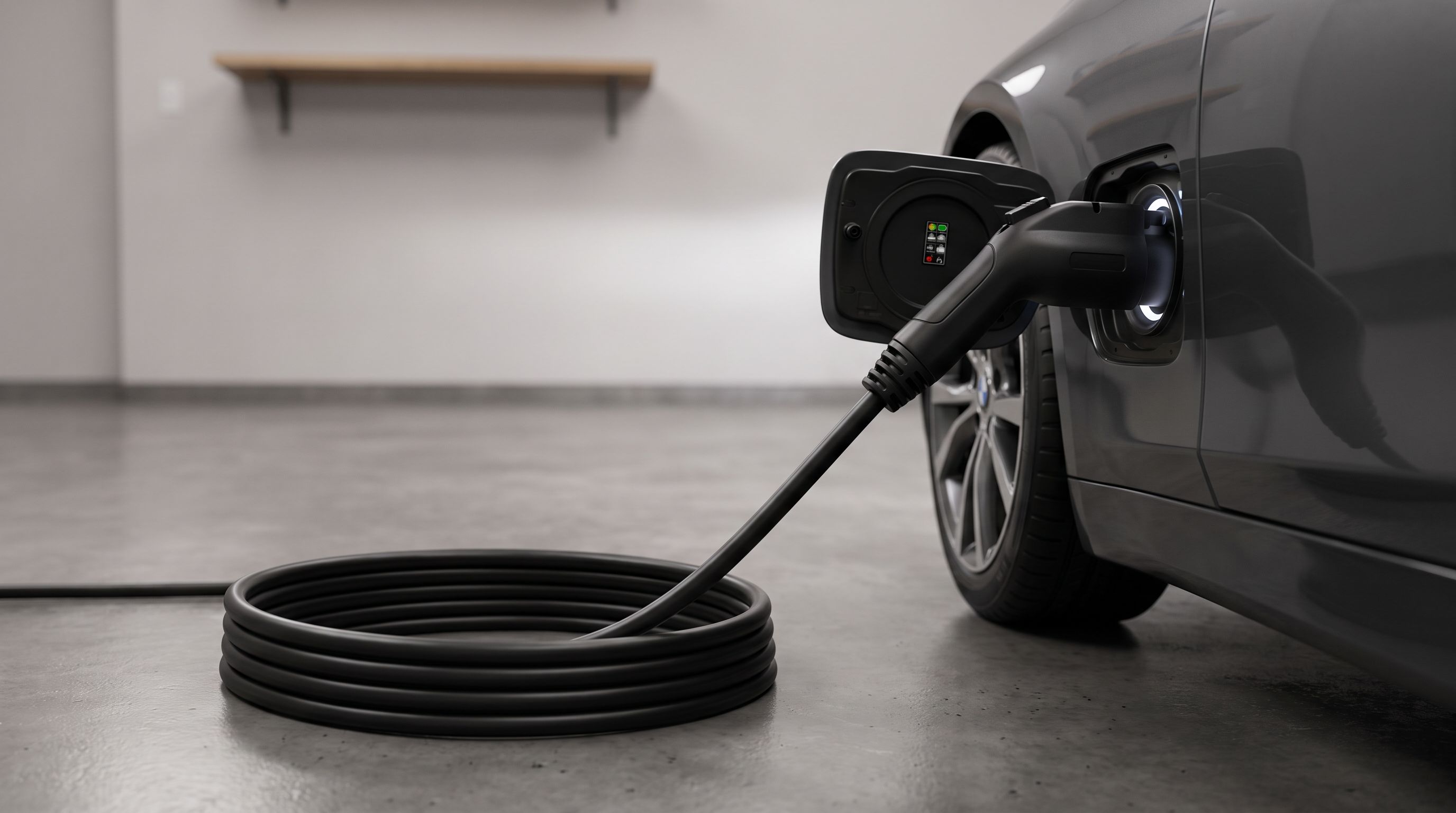
EV Charging Cable Extension 2026: What's Actually Safe
Most EV charging cable extensions aren't code-compliant. Here's what NEC and automakers actually say, plus safer ways to add reach in 2026.
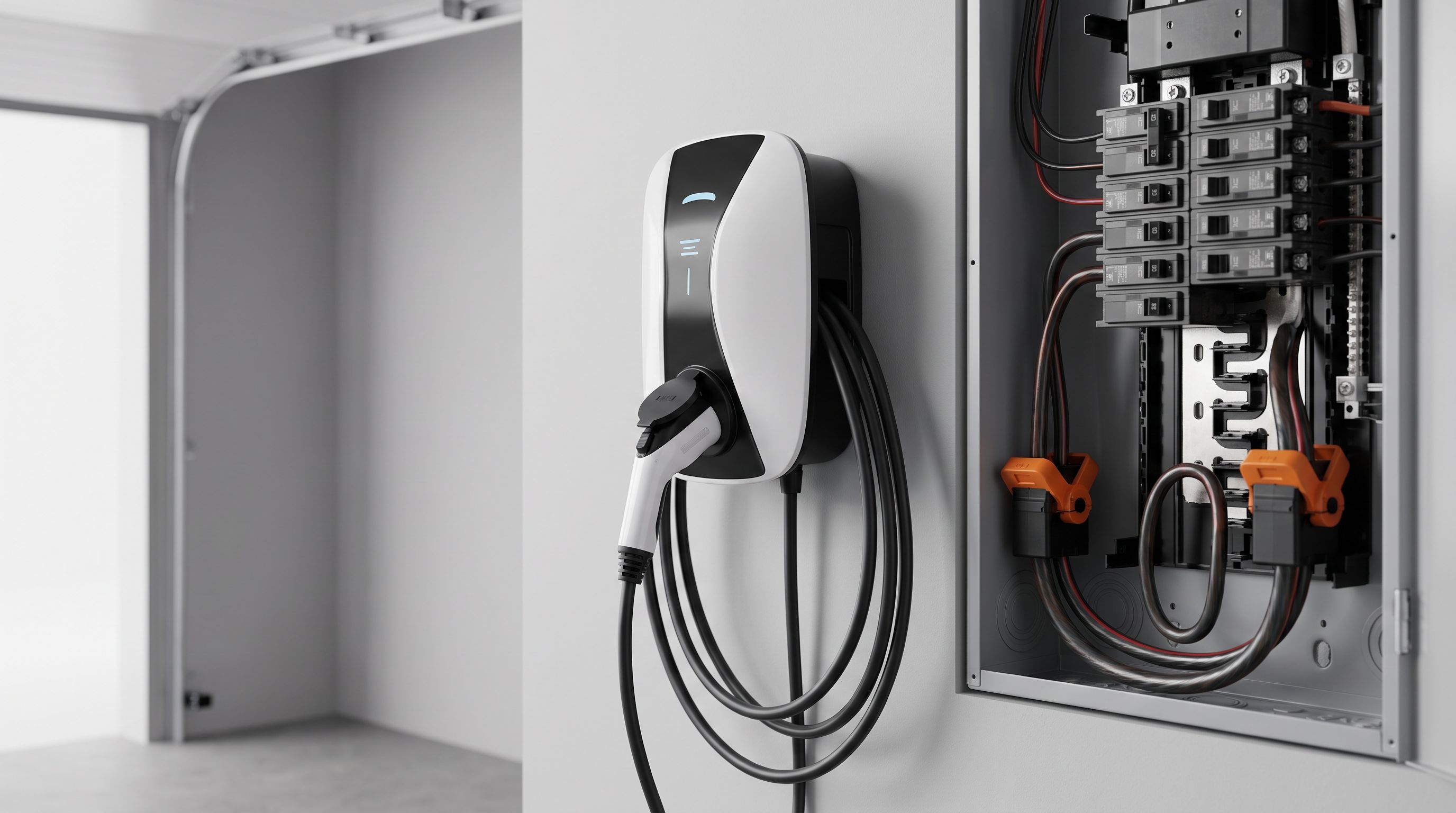
Level 2 Charger Load Management in 2026: Skip the Subpanel?
Got 100A service? Compare Level 2 chargers with built-in load management, CT clamps and power sharing in 2026 — and learn when you still need a panel upgrade.
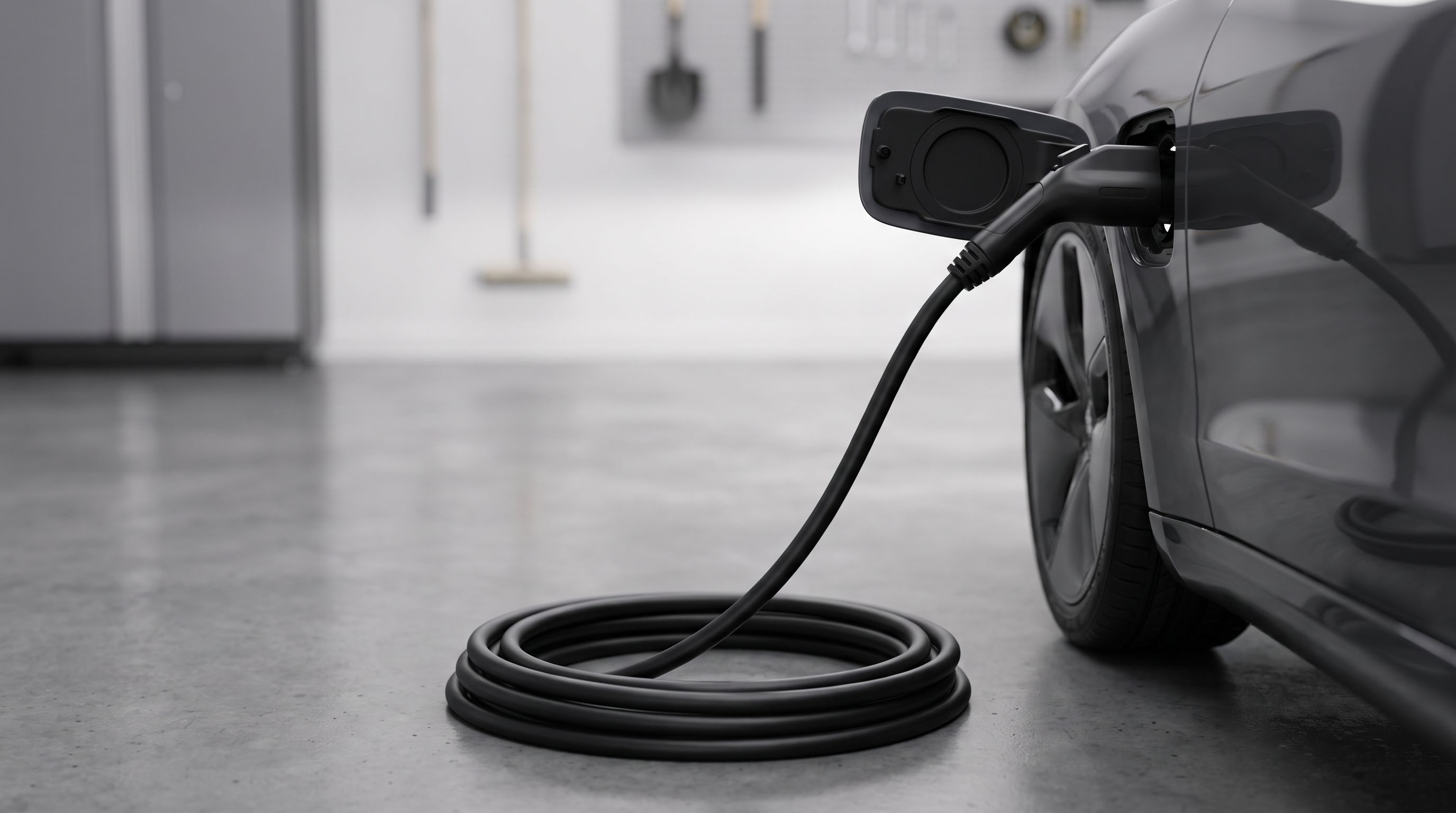
J1772 Charging Cable 40 Amp: Why Cheap Cords Run Hot in 2026
A J1772 charging cable rated 40 amp is only as good as its copper, jacket and contacts. Here's how gauge and connector quality prevent heat soak — plus 2026 picks.