Prime Big Deal Days Detailing Gear: What Actually Matters
Prime Day car detailing deals, judged properly: which pressure washer, polisher and coating specs decide the purchase, and where a cheap tool will wreck your paint.
Reader-supported: we may earn a commission from links on this page, at no extra cost to you. It never affects our picks. Learn more.
Detailing is the rare corner of car care where a sale genuinely changes what you should buy — and also the corner where a bad bargain leaves permanent marks on your paint. A cheap microfibre towel is a minor annoyance. A cheap rotary-style polisher, a badly-made pad, or a coating you can't level in time is a weekend of wet-sanding or a bill from a body shop.
Prime Big Deal Days 2026 runs October 6–7, 2026 — a 48-hour event starting at 12:01 a.m. PDT on Tuesday, October 6 (3:01 a.m. EDT) and ending at the close of Wednesday, October 7. It is exclusive to Amazon Prime members, so you need a membership or a free trial to buy at the deal price. Amazon runs it in 22 countries and says dates vary by country; GarageProof covers amazon.com in the US. Amazon frames it as the opening of the holiday season, which means it's the first of two discount windows before Christmas — Black Friday is the second.
Here's the judgement to lead with, because it survives the event either way: spend on the tool, economise on the consumables. Pressure washers and dual-action polishers are durable goods with real engineering inside them, and the gap between a good one and a bad one is measured in years of service and in whether your clear coat survives. Soaps, towels, drying aids and foam cannons are consumables and accessories — they're cheap, they're interchangeable, and a discount on them is a nice-to-have rather than a decision-changer. If a sale moves you from "adequate polisher" to "the polisher detailers actually recommend", it has done something useful. If it moves you from "two bottles of shampoo" to "six bottles of shampoo", it has only moved your money.
Where a discount genuinely changes the decision
Dual-action polishers. This is the single category where a price drop most changes the right answer. The cheapest random orbitals on Amazon share a family resemblance — short throw, weak motors, plastic gearing — and their failure mode is that they stall. Put any real pressure on a curved panel and the pad stops rotating, so you're generating heat without generating cut. That's how people burn through clear coat on a door edge while believing a DA "can't" damage paint. A DA absolutely can. If a sale brings a long-throw, torque-managed machine like the Griot's Garage G9 within reach of what you'd have spent on a no-name unit, take it — the buying decision actually flips.
Pressure washers. Here the decision hinges on flow rate, not the headline pressure number. A washer with lots of claimed PSI but feeble GPM will produce thin, watery foam and rinse slowly. Foam cannons need volume. If a discount moves you up a tier in flow, that's meaningful. If it just gets you a higher PSI rating on the same small pump, it changes nothing about your Saturday.
Coatings. A ceramic or graphene coating is a small bottle with a large consequence. The variable that matters isn't the claimed durability in years, it's how forgiving the product is to apply — flash time, working window, and how easily it levels. A coating that's cheap but unforgiving will give you high spots you can only remove by polishing the panel again. Adam's Polishes Graphene Ceramic Coating is the sort of product worth watching precisely because its application window suits people doing this in a home garage rather than a climate-controlled booth.
 Best DIY-friendly coating · Adam's Polishes Graphene Ceramic Coating — Check price on Amazon →
Where the cheap version will damage paint
Be blunt about this list, because sale season is when people gamble on it:
- Unbranded polishing pads. Foam density and backing-plate adhesion vary wildly. Pads that delaminate at speed throw a hard plastic hub into your paint.
- Aggressive compounds paired with a weak machine. Heavy cut needs machine power to break the abrasives down; a stalling DA leaves the abrasive coarse and the finish hazy.
- Wash media sold in multipacks of mystery fibre. Cheap "microfibre" wash mitts with stiff, low-GSM fibre are one of the most common sources of swirl marks. The Rag Company Eagle Edgeless 500 towels exist as a benchmark because edgeless construction and high pile genuinely reduce marring — and towels are the one consumable where stocking up during a sale is straightforwardly sensible.
- Turbo/rotary nozzles used on paint. They come in the box with most washers. They are for concrete. A zero-degree or rotary tip at close range will strip paint and blast trim.
- Clay bars from unknown sources. Grit contamination in cheap clay drags across the panel.
How to choose
Flow rate over pressure (pressure washers)
Look for the gallons-per-minute figure and treat PSI as secondary. Foam quality, rinse speed and how well a washer clears wheel-well grime all track flow. Also check what connection standard the wand uses — if it's a proprietary bayonet rather than a standard quick-connect, your choice of foam cannons, short guns and undercarriage lances narrows immediately. The Sun Joe SPX3000 is a common starting point partly because its accessory ecosystem is unremarkable in the best way: standard fittings, easy to add to.
Throw length and stall resistance (polishers)
For a DA, "throw" (orbit diameter) determines how much surface area you correct per pass. Short-throw machines are fine for applying wax or sealant and frustrating for correction. Long-throw machines cover ground and resist stalling under pressure. Check the backing plate size supplied, whether the machine takes common pad sizes, and how the speed dial behaves under load. Also check the weight and the vibration complaints in owner feedback — a machine you can't hold for two hours doesn't correct a whole car.
Working window, not claimed durability (coatings)
Ignore the year claims on the bottle; they assume maintenance you probably won't do exactly. Judge a coating on application forgiveness: how long you have before it flashes, whether it self-levels, and whether it tolerates temperature swings. Check the kit contents too — applicator blocks, suede cloths and a prep spray matter more than an extra ounce of product.
Accessory compatibility before you commit
This is the quiet cost multiplier. Pads, backing plates, washer fittings and cannon threads are where a "cheap" ecosystem gets expensive. A Chemical Guys TORQ Foam Cannon Snow Foam Blaster, for instance, is only a sensible buy if your washer's connection matches and its flow rate can actually drive it — check both before you add anything to a cart.
Vehicle-specific caveats
Most detailing gear is universal, but not all of it. Fitted wheel-well brushes, some trim restorers and interior-specific applicators assume particular materials. Anything sold as fitting a specific model — vent brushes, screen coatings, wheel-face tools — should be checked against your exact year, make and model in the listing's fitment section before you buy, not after.
How to tell a real discount from a fake one
Sale season runs on reference prices, and reference prices are the weakest number on the page.
Reference and list-price inflation. The struck-through figure a listing compares itself to is often a "list price" the item has rarely sold at, or a price the seller quietly raised in the weeks beforehand. Detailing brands with heavy Amazon presence run frequent promotions all year, so the honest question is not "how far below list is this?" but "how does this compare to what this item normally sells for on a random Tuesday?"
Check a price history tool before you buy. Camelcamelcamel and Keepa both chart an Amazon listing's history. Look at the shape of the line over the last several months, not the last week. A genuinely notable drop looks like a step below a long, flat band. A fake one looks like a spike upward immediately followed by the "deal". This takes thirty seconds and is the single most useful habit in the whole article.
Current generation or last year's? This is endemic in polishers and pressure washers. Brands revise model numbers frequently — a suffix change can mean a different motor, a different throw, or just new stickers. Before you buy a discounted unit, search the brand's own site for the current lineup and confirm whether the model on offer is the one being sold today or the one being cleared out. Sometimes last year's model is the better buy; you just need to know which you're getting.
Bundle padding. Detailing is the most bundle-prone category in car care. A "complete arsenal" kit can look transformative and consist of a good shampoo plus six products you'd never choose individually, in bottles too small to finish a car. Price the bundle against the two items you'd actually use. If the bundle only makes sense because of items you'd leave on the shelf, it isn't a discount, it's inventory clearance with a bow on it.
Urgency framing. "Deal of the day", countdown timers and "claimed" percentage bars are interface design, not scarcity. Detailing consumables in particular are rarely genuinely limited. If you need ten minutes to check a price history chart and confirm a model generation, take the ten minutes. The rare exception is a genuinely limited-stock tool from a smaller brand — and even then, being wrong about a tool costs more than missing one.
One more habit: open the listing's Q&A and the one- and two-star reviews before the five-star ones. For polishers, look specifically for stalling and bearing noise. For pressure washers, look for pump failure inside the first year and for hose kinking. For coatings, look for high spots and for people describing a flash time that didn't match the instructions.
Comparison
| Pick | Type | The spec that decides it | Best suited to | Main compromise |
|---|---|---|---|---|
| Sun Joe SPX3000 | Electric pressure washer | Flow rate and standard quick-connect fittings | Weekly washes, foam pre-soak, driveway use | Plastic-heavy build; not a daily commercial tool |
| Griot's Garage G9 | Dual-action polisher | Long throw plus stall resistance under load | Genuine paint correction at home | Heavier and pricier tier than entry DAs |
| Chemical Guys TORQ Foam Cannon | Foam cannon accessory | Thread match and washer flow rate | Adding touchless pre-wash to a washer you own | Only as good as the washer feeding it |
| Adam's Graphene Ceramic Coating | Paint coating | Application forgiveness and levelling window | First-time DIY coating application | Still demands proper decontamination and prep |
| The Rag Company Eagle Edgeless 500 | Microfibre towels | Edgeless construction and pile depth | Drying, buffing, coating removal | Needs separate laundering discipline to stay safe |
FAQ
When is Prime Big Deal Days 2026? October 6–7, 2026. It starts at 12:01 a.m. PDT on Tuesday, October 6 — 3:01 a.m. EDT — and runs to the close of Wednesday, October 7, a 48-hour window.
Do I need Prime to buy at the deal price? Yes. The event is exclusive to Amazon Prime members, and a membership or a free trial is required to check out at the deal price. Amazon runs the event in 22 countries and says dates may vary by country; the dates above apply to amazon.com in the US.
Should I just wait for Black Friday? Amazon positions Prime Big Deal Days as the start of the holiday season, so there are two discount windows before Christmas and Black Friday is the second. That's a genuine argument for patience on consumables — soaps, towels, drying aids — which are easy to buy any time. It's a weaker argument for tools, because polisher and pressure washer stock is more variable and the model you want may be superseded by then. Our practical rule: if you've already identified the specific tool you want and the price history chart supports the current figure, buy it. If you're browsing rather than shopping, wait. Either way, check the live price shown on each product card here rather than relying on any figure you read elsewhere.
Is a cheap polisher really that risky? Yes, in one specific way: stalling. A machine that stops rotating under pressure builds heat without cutting, and heat is what damages clear coat. If your budget only reaches an entry-level DA, use it for applying sealant and waxes rather than heavy correction, keep the machine moving, and work at lower speeds until you understand how it behaves on your paint.
Our picks
Prices last checked September 26, 2026. Amazon prices change frequently, so treat these as a guide and check the live price before you buy.

Sun Joe SPX3000 Electric Pressure Washer
Enough flow for a proper foam pre-soak, with dual detergent tanks and swappable quick-connect nozzles.

Griot's Garage G9 Random Orbital Polisher
A long-throw random orbital with real torque — cuts fast but still free-spins to protect edges and paint.
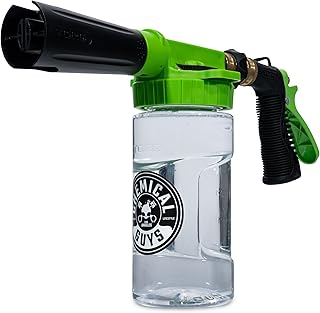
Chemical Guys TORQ Foam Cannon Snow Foam Blaster
Turns a mid-range pressure washer into a genuine touchless pre-wash tool for very little outlay.
Adam's Polishes Graphene Ceramic Coating
Forgiving flash and levelling window, which is what separates a good DIY coating from a streaky one.

The Rag Company Eagle Edgeless 500 Microfiber Towels
Edgeless, plush and safe on soft clear coat — the one detailing item where buying in bulk always pays.
Get the best car care deals in your inbox
Join the GarageProof newsletter for hand-picked car care deals and new buying guides. No spam, unsubscribe anytime.
Related reads
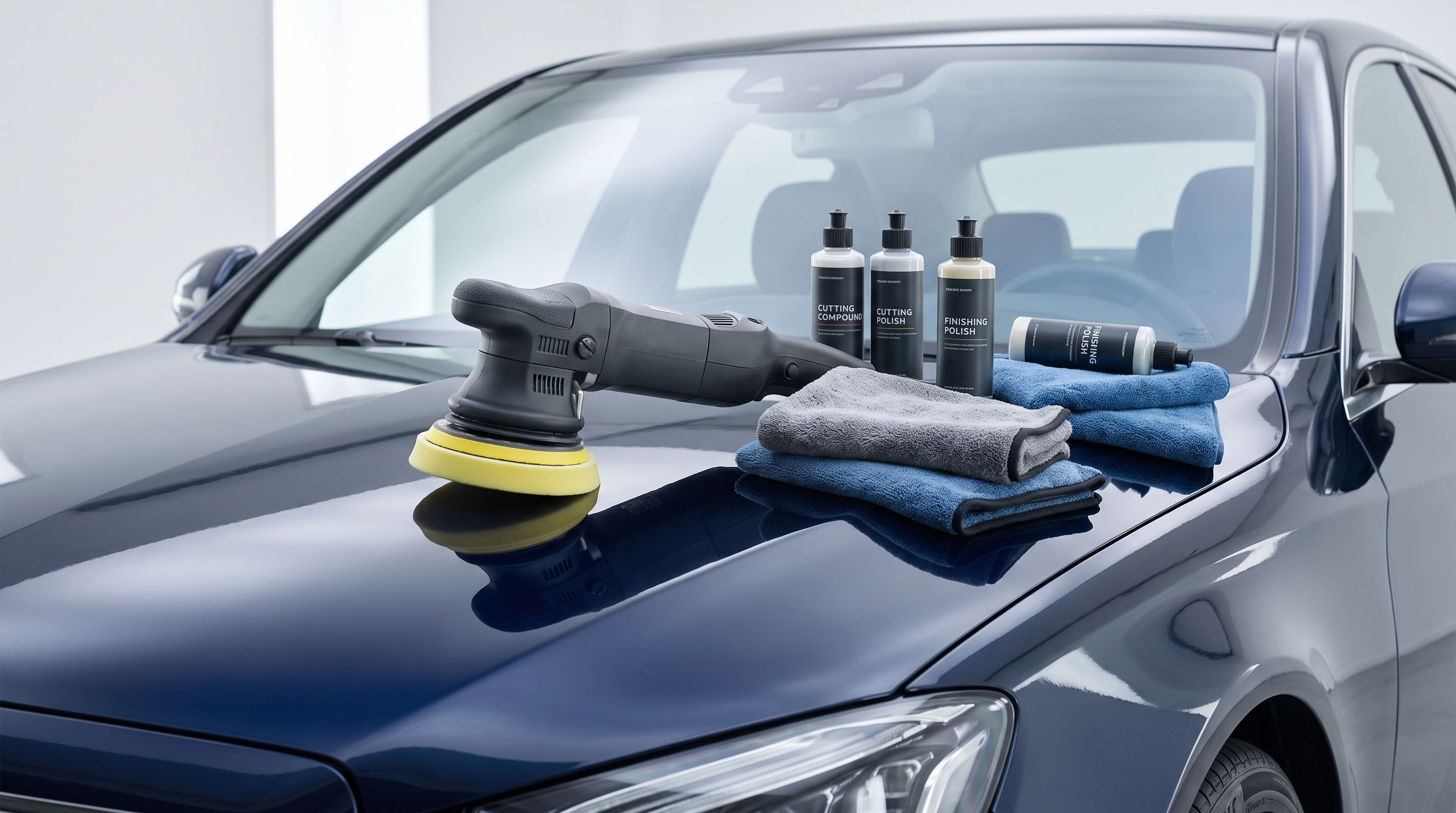
Dual-Action Polishers in 2026: 15mm vs 21mm Throw
Which dual-action polisher should a beginner buy in 2026? We compare 15mm vs 21mm throw, backing plate sizes and power on soft and hard clearcoats.
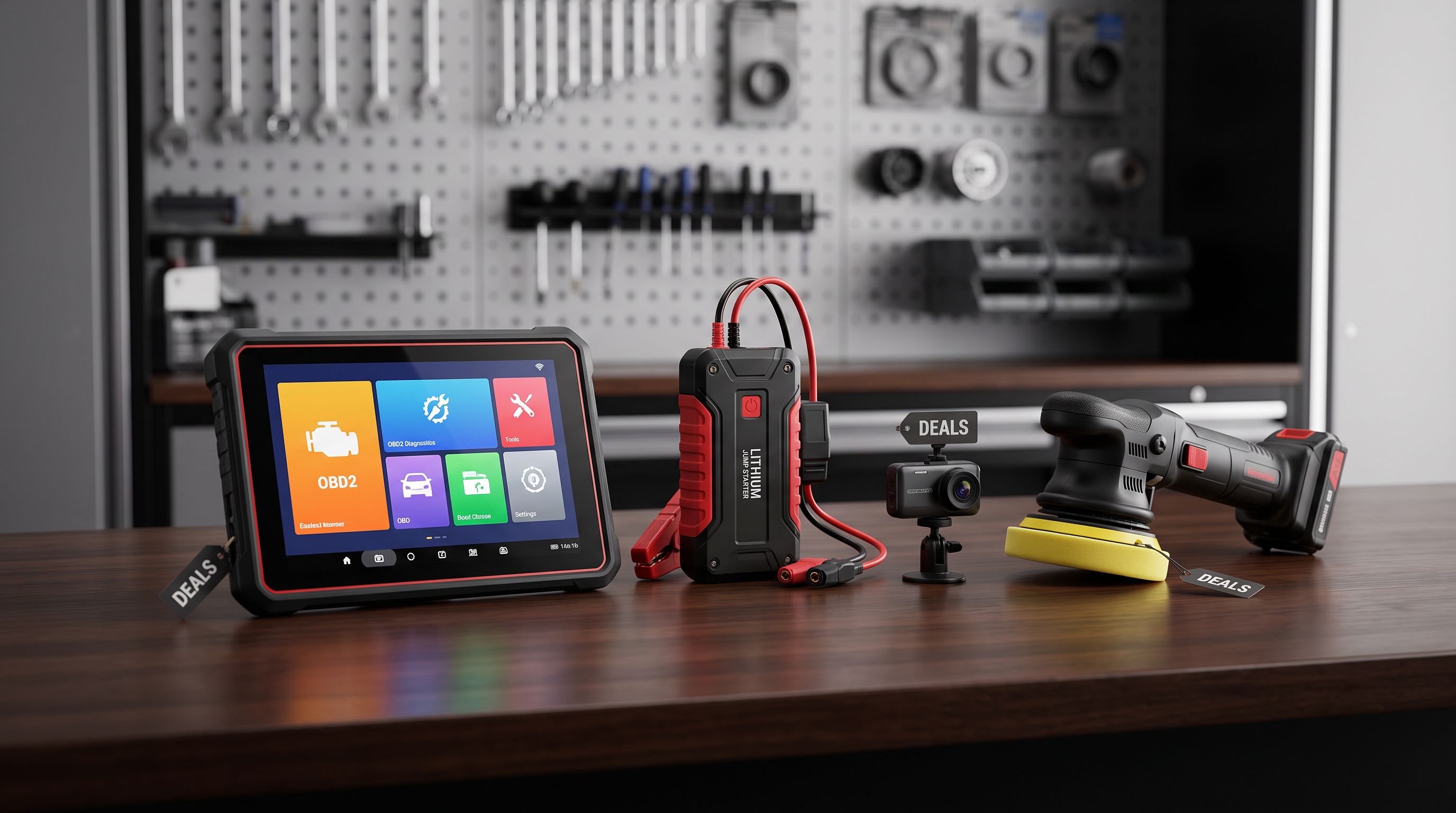
Prime Big Deal Days 2026: Car Gear Worth Watching
Prime Big Deal Days 2026 runs October 6-7. Here's how to spot a real car-gear discount from a reference-price trick, and which categories deserve attention.
Ceramic Coating Maintenance Shampoo 2026: pH That Won't Strip
How to pick a coating-safe car shampoo in 2026: pH-neutral vs SiO2 toppers, gloss boosters, dilution ratios and the washing habits that actually kill ceramic coatings.