Parking Mode Drain, Explained: Why Dash Cams Kill Batteries
Parking mode is the number one cause of dash cam battery drain. Here's how hardwire kits, voltage cutoffs and battery packs actually compare in 2026.
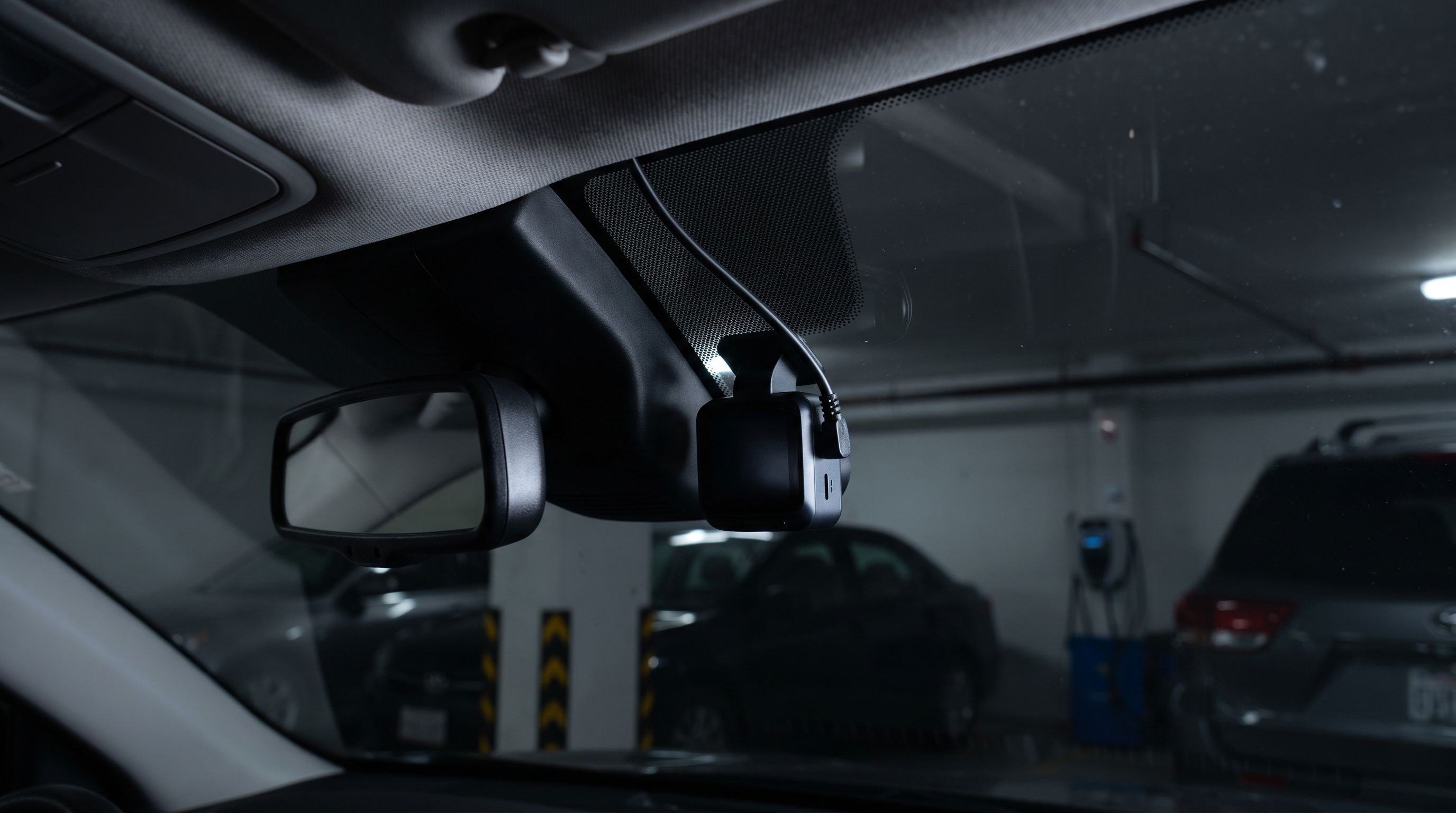
Reader-supported: we may earn a commission from links on this page, at no extra cost to you. It never affects our picks. Learn more.
There is a specific kind of Monday morning misery that only dash cam owners know: you walk out, turn the key, and get a slow, groaning crank — or nothing at all. The camera worked perfectly. It recorded the empty parking lot all weekend. It also quietly ate your starting battery.
Parking mode is the single most useful dash cam feature and the single most common cause of dash cam-related battery complaints. The physics are boring and unforgiving: your alternator is off, your battery is finite, and a camera drawing current for 40 hours doesn't care that you need to get to work. The good news is that this is a solved problem — solved three different ways, with three different cost and complexity profiles. The bad news is that the default settings shipped on a lot of hardware are not the safe ones.
What's actually happening now
Start with the basic split. While you're driving, the dash cam is effectively free: the alternator is supplying the car's electrical load and topping up the battery, and a camera's draw is a rounding error. As explainers on the subject consistently point out, drain only becomes a real issue when the engine is off and the camera is still powered — either because you enabled parking mode via a hardwire kit, or because you plugged into a 12V socket that stays live with the ignition off, which plenty of cars do.
Once the engine stops, three numbers decide your fate: how much current the camera draws, how long you're parked, and how much usable capacity your battery actually has. That last one is where most people go wrong. A lead-acid starting battery is not a power bank. Drawing it down deeply is both a no-start risk and a lifespan risk — repeated deep discharges permanently reduce capacity on a conventional flooded or AGM starting battery, because it was designed for short, high-current bursts, not slow deep cycling.
This is why the cutoff voltage setting matters more than any spec on the camera box. A hardwire kit with a low-voltage cutoff monitors battery voltage and kills power to the camera when it drops below a threshold. Set it correctly and, per the current guidance in parking-mode voltage guides, a healthy battery should not be drained to a no-start condition. Set it to the lowest available option and you've essentially disabled the protection.
The recurring warning in 2026 coverage is that 11.6V — an option on many kits, and sometimes the factory default — is dangerously low for a 12V system. A resting lead-acid battery at roughly 12.6V is full; around 12.0-12.2V it's already near half discharged. By the time a loaded system reads 11.6V you are deep into territory where cold-weather cranking becomes marginal and battery damage accumulates. Most practical advice lands on 12.0V or higher for a standard lead-acid setup, moving up toward 12.2-12.4V for older batteries, cold climates, or cars with heavy parasitic loads of their own.
There's a second trap: voltage sag versus resting voltage. Cutoff circuits read voltage under load, and a battery that reads 12.4V at rest can sag noticeably when the camera, the car's own modules, and cold temperatures all pull at once. That's a feature, not a bug — it's why a conservative cutoff is the cheap insurance here.
The real players and what's shipping
Three architectures dominate, and they're genuinely different products rather than marketing variations.
Three-wire hardwire kits. This is the mainstream approach. Constant (battery) power, switched (ACC/ignition) power, and ground. The kit compares the two so the camera knows whether the engine is running, and it enforces a voltage cutoff — and usually a timer cutoff — when it isn't. Viofo's HK4 ACC hardwire kit is the current example for Viofo's lineup, with adjustable low-voltage thresholds rather than a single fixed number. Most major brands ship an equivalent: a kit designed around their own camera's parking-mode logic.
Standalone cutoff modules. The BlackVue Power Magic Pro is the long-running example — an inline device that sits between the fuse box and the camera, offering selectable cutoff voltage and a parking-mode timer independent of what the camera itself supports. It's the retrofit answer when your camera has parking mode but a dumb power cable.
 Standalone cutoff you can tune · BlackVue Power Magic Pro hardwiring kit — Check price on Amazon →
Dedicated battery packs. The most complete fix, because it removes the starting battery from the equation entirely. A pack like the BlackVue Power Magic Ultra Battery B-130X charges while you drive and then runs the camera off its own lithium cells when parked. Your car battery is never touched, and the pack can be cycled deeply because that's what it's built for. The tradeoff is cost, physical bulk, and finding somewhere to mount it.
| Approach | How it protects the battery | Best fit | Main limitation |
|---|---|---|---|
| 3-wire hardwire kit with cutoff | Cuts camera power at a set voltage/time | Most daily drivers, overnight parking | Still draws from the starting battery until cutoff |
| Standalone cutoff module | Same, but independent of camera firmware | Retrofits, older cams, multi-device setups | One more box to mount and wire |
| Dedicated battery pack | Camera runs off separate lithium cells | Long parking, weak/old batteries, EVs | Cost, size, needs mounting space |
On the camera side, the relevant question isn't resolution but which parking modes the firmware supports. Buffered parking recording — where the camera keeps a rolling pre-buffer so an impact clip includes the seconds before the hit — is the meaningful feature, and cameras like the Viofo A229 Pro 3-Channel support parking modes alongside hardwire input so the behavior is configurable. Time-lapse parking mode records continuously at a low frame rate; motion/impact detection sits idle and wakes on a trigger. Low-bitrate time-lapse and buffered motion generally draw less than full continuous recording, but no parking mode draws zero.
 Shipping cam built around parking mode · Viofo A229 Pro 3-Channel Dash Cam — Check price on Amazon →
What this means if you're shopping today
Work backwards from your parking habits, not from the camera spec sheet.
If you park overnight and drive daily, a three-wire hardwire kit with a cutoff set at 12.0V or above is enough. That's the mainstream case, and it's why kits like the Viofo HK4 ACC exist as inexpensive add-ons rather than premium upsells.
 Modern 3-wire kit for Viofo cams · Viofo HK4 ACC hardwire kit — Check price on Amazon →
If your car sits for days — airport trips, a second vehicle, a weekend car — no cutoff setting saves you. The camera will hit the threshold, shut down, and you'll have recorded nothing for most of the time you were away. That's the case for a battery pack like the B-130X.
If your camera already has parking mode but no smart cable, a Power Magic Pro-style module is the cheaper path than replacing the camera.
And regardless of route: check your battery's actual health first. A three-year-old battery with reduced capacity will trip a cutoff far sooner than a new one, and people routinely blame the dash cam for a battery that was already on its way out. The camera didn't cause the failure; it exposed it.
What to watch next
Two things are shifting. First, EVs and hybrids change the math — the 12V accessory battery is often small, and manufacturers vary widely in whether and how the DC-DC converter tops it up when parked, so blanket hardwire advice doesn't transfer cleanly. Check your specific model's guidance before tapping the fuse box.
Second, the accessory battery pack category keeps maturing as camera resolutions and channel counts rise. Three-channel 4K rigs draw more than a single 1080p camera did a decade ago, which pushes more buyers toward external power. Expect the pack, not the cutoff, to become the default answer for anyone serious about multi-day surveillance.
FAQ
Will parking mode kill my battery? It can, but with a correctly configured low-voltage cutoff a healthy battery shouldn't be drained to a no-start condition overnight. Problems concentrate around low cutoff settings, multi-day parking, and already-weak batteries.
What cutoff voltage should I use? For a standard 12V lead-acid system, guidance in current parking-mode voltage guides points to 12.0V or higher, moving toward 12.2-12.4V in cold climates or with an older battery. 11.6V is widely flagged as too low.
Can I just use the 12V socket instead of hardwiring? Only if the socket goes dead with the ignition, and many don't. A live socket gives you no voltage cutoff at all — which is the worst-case configuration.
Does a battery pack mean I never touch the car battery? Effectively yes for parking mode. The pack charges while you drive and powers the camera when parked, so parking-mode draw doesn't come out of your starting battery.
Our picks
Prices last checked September 27, 2026. Amazon prices change frequently, so treat these as a guide and check the live price before you buy.
BlackVue Power Magic Ultra Battery B-130X
A dedicated lithium pack that isolates parking mode from the car battery and recharges while you drive.
BlackVue Power Magic Pro hardwiring kit
Adds selectable voltage cutoff and timer to cams that lack a smart hardwire kit of their own.
Viofo HK4 ACC hardwire kit
Three-wire ACC kit with adjustable low-voltage cutoff for Viofo's current parking-mode cameras.
Viofo A229 Pro 3-Channel Dash Cam
Buffered parking modes plus hardwire support, so cutoff behavior is configurable rather than guesswork.
Get the best car care deals in your inbox
Join the GarageProof newsletter for hand-picked car care deals and new buying guides. No spam, unsubscribe anytime.
Related reads
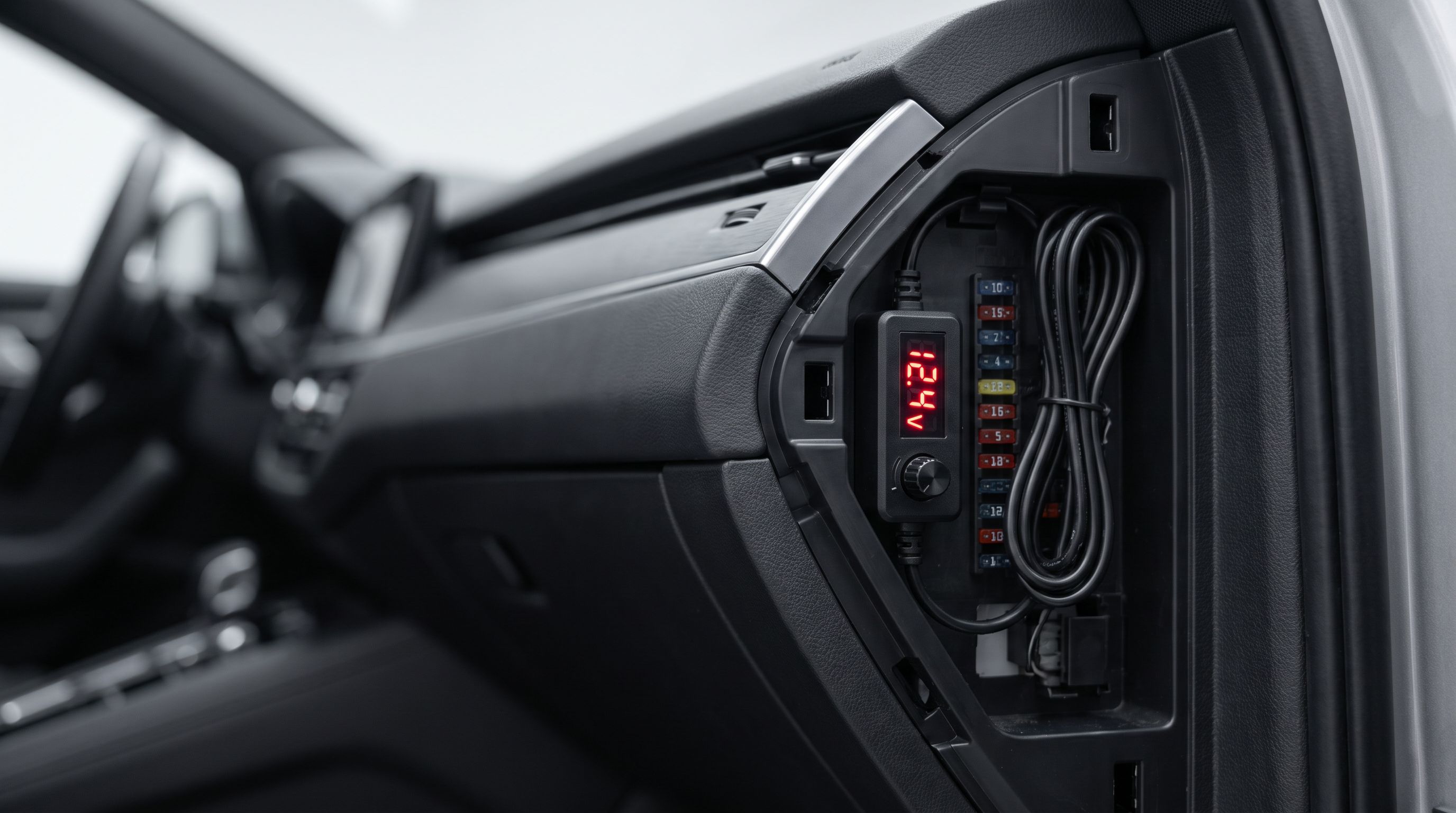
Dash Cam Hardwire Voltage Cutoff 2026: Match It to Your Battery
How to set dash cam hardwire voltage cutoff for AGM, flooded, and stop-start batteries in 2026 — plus four hardwire kits with user-adjustable cutoff points.
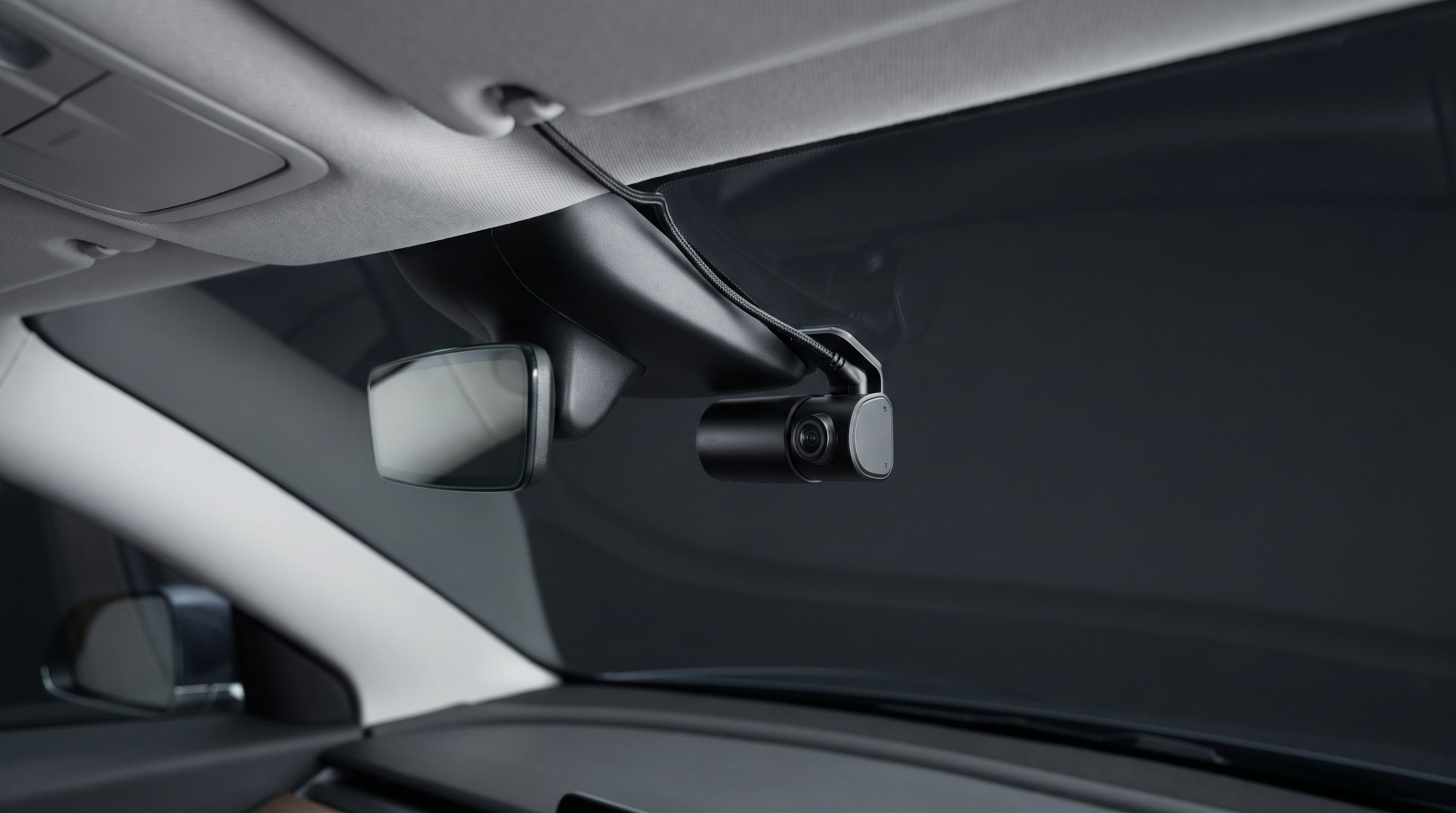
Dash Cam for a Leased Car in 2026: No-Drill Power Routes
The best no-drill dash cam setups for leased cars in 2026 — OBD and fuse-tap power, adhesive mounts, and how to route cables around A-pillar airbags safely.
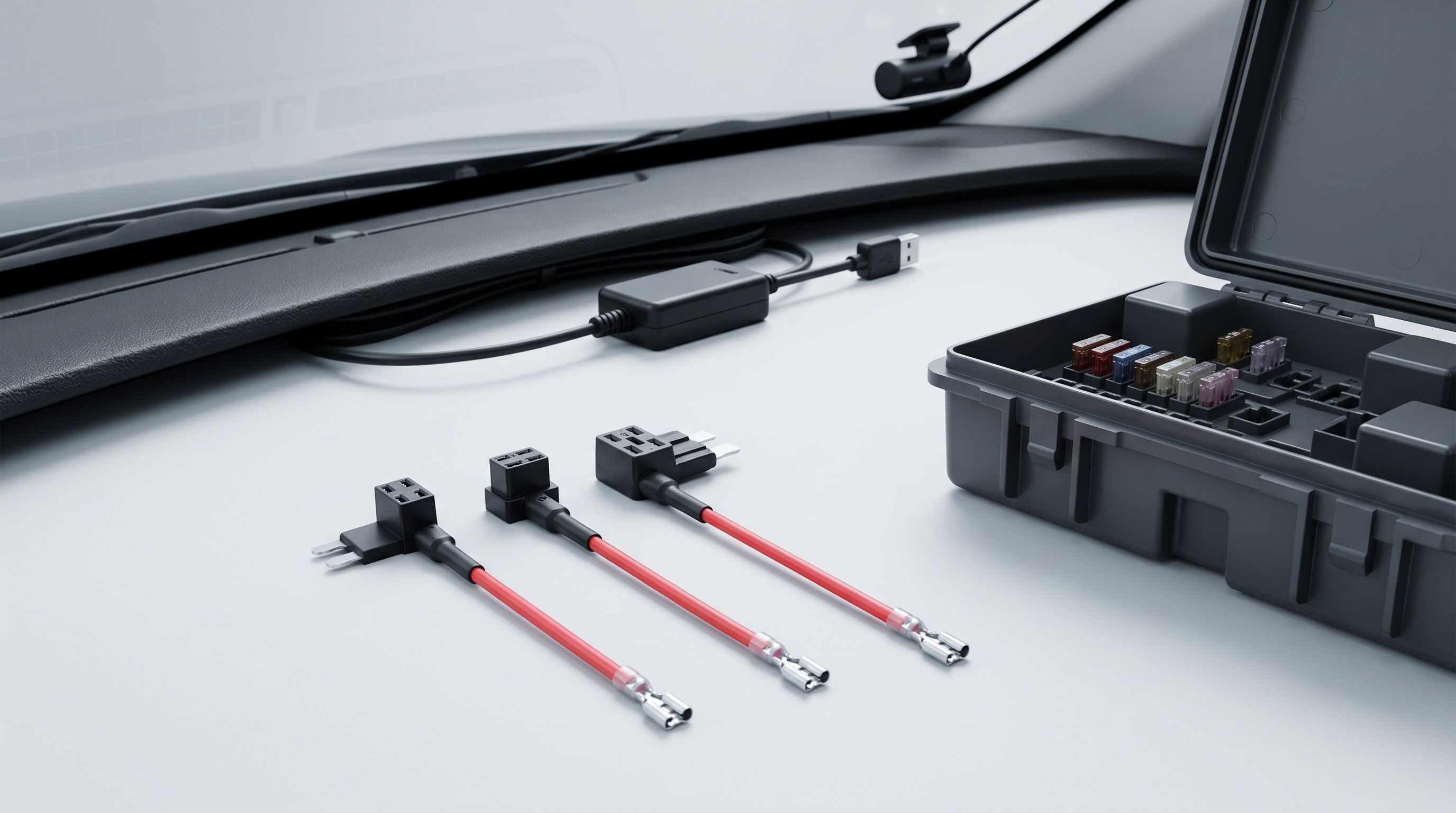
Dash Cam Hardwire Kit 2026: Match the Tap to Your Fuse Box
Pick the right dash cam hardwire kit in 2026: mini vs micro2 vs low-profile fuse taps, voltage cutoff settings, ACC vs constant circuits, and fitment checks before you order.