Microfiber GSM Guide 2026: Match the Weave to the Job
GSM, weave and edge construction explained — plus the best microfiber towels for cars in 2026, matched to drying, buffing, glass and interior work.
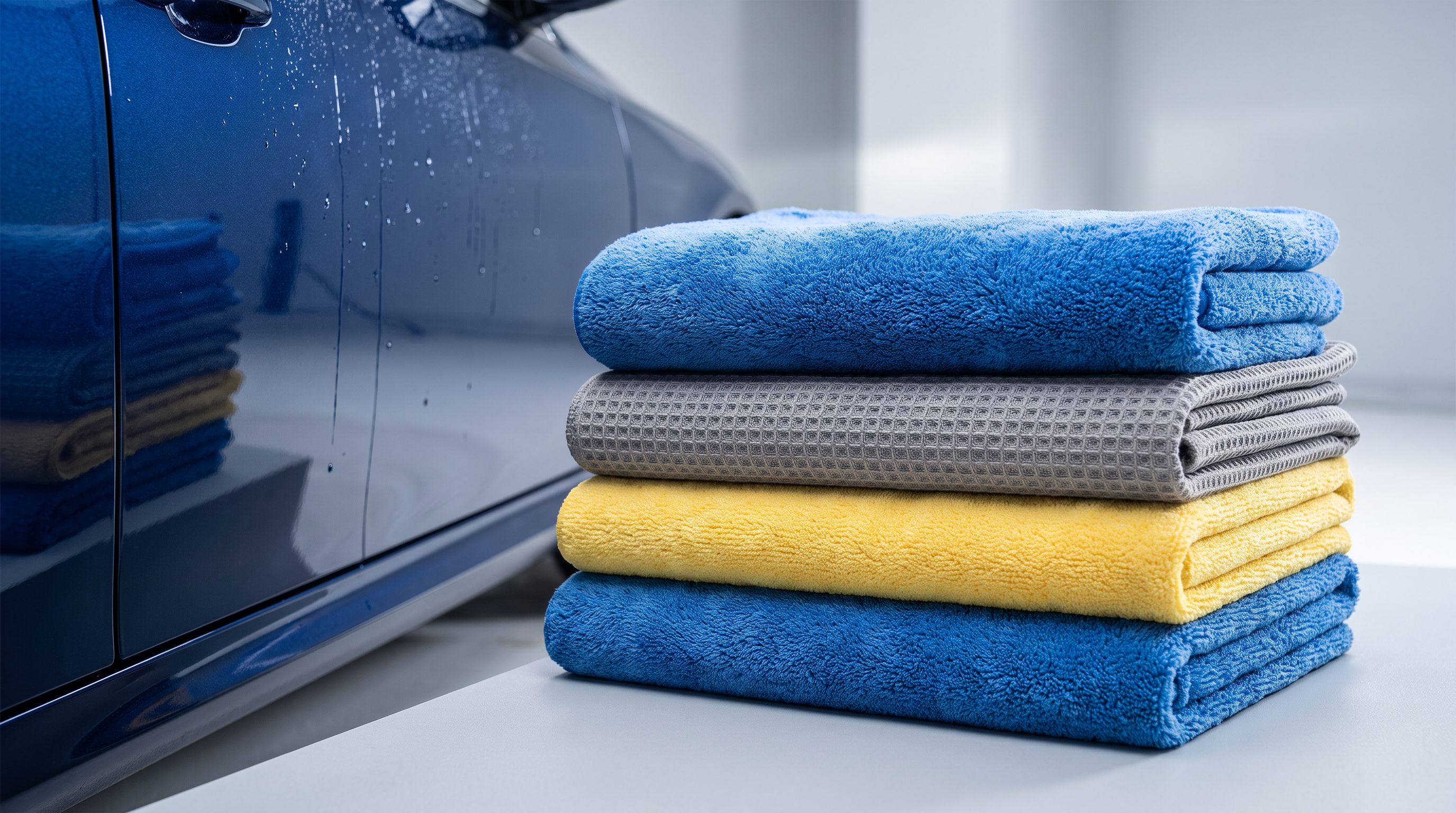
Reader-supported: we may earn a commission from links on this page, at no extra cost to you. It never affects our picks. Learn more.
Most people buy microfiber the wrong way: one bulk pack of 50 yellow towels from the auto parts aisle, used for everything from wheels to windshields. Then they wonder why the paint has fine swirls, the glass streaks, and the towels shed lint after three washes.
Microfiber isn't one product. GSM (grams per square meter), weave, blend ratio and edge construction all change what a towel is good at. A 1100 GSM plush towel is wonderful for buffing off wax and terrible for glass. A 300 GSM flat-weave glass towel is perfect for windows and useless for drying a wet hood.
This guide explains what those numbers actually mean, then matches specific towels to specific steps. GarageProof researches and compares products using manufacturer specs, independent reviews and verified owner feedback — we don't physically test units — so treat the picks below as well-researched starting points, not lab results.
The short version
- Best overall: The Rag Company Eagle Edgeless 500 (16x16)
- Best drying towel: The Rag Company Dry Me A River Jr. (20x30)
- Best value drying towel: Chemical Guys Woolly Mammoth Drying Towel (25x36)
- Best for glass: The Rag Company Diamond Glass Towel (16x16)
- Best for coatings and polish removal: Autofiber Quadrant Wipe Coating Towel
 Best overall · The Rag Company Eagle Edgeless 500 (16x16) — Check price on Amazon →
What GSM actually tells you (and what it doesn't)
GSM is simply the weight of the fabric per square meter. Higher GSM generally means more fiber, more plush, more absorbency per square inch — and more cushion between your hand and the paint.
Rough working ranges:
- 200–300 GSM: Thin, flat or waffle weave. Glass, mirrors, screens, final wipe-downs. Very little nap, so almost nothing to trap dirt — which is exactly why it streaks less on glass and why you should never use it on dirty paint.
- 300–400 GSM: General-purpose utility. Door jambs, engine bays, wheels, tools, interior plastics. Cheap enough to abuse and eventually throw out.
- 400–600 GSM: The paint-safe sweet spot. Enough plush to lift residue safely, thin enough to stay controllable and dry quickly. This is where most buffing towels live.
- 600–900 GSM: Extra-plush buffing and final wipe. Lovely on ceramic-coated paint and dark colors; can grab and drag if the surface is too wet or the product is over-applied.
- 900–1400+ GSM: Drying towels and heavy plush. Massive absorbency, but bulky, slow to dry between uses, and heavy when saturated.
Here's what GSM doesn't tell you: fiber quality. A cheap 1000 GSM towel made from coarse, unsplit fiber is less absorbent and more scratchy than a good 500 GSM towel. Split microfiber — where the polyester/polyamide filament is chemically split into wedge-shaped micro-strands — is what creates the capillary action that actually lifts water and residue rather than smearing it.
Blend ratio: the number most people ignore
Microfiber is polyester (structure, scrubbing) blended with polyamide/nylon (softness, absorbency). Common blends:
- 80/20 — the detailing standard. Good balance of durability, absorbency and softness.
- 70/30 — softer, more absorbent, usually more expensive. Common in premium plush and drying towels.
- 90/10 or 100% polyester — stiffer, cheaper, more scratch risk. Fine for wheels, jambs and shop rags. Keep it off paint.
If a listing doesn't state the blend, that's a small red flag. Reputable detailing brands publish it.
Weave types, decoded
Plush / pile. Long, soft loops. Maximum surface contact and forgiveness. Best for buffing off wax, sealant, quick detailer and spray wax.
Twist loop. Long, twisted yarn loops that act like tiny wicks. Extremely absorbent and it releases water fast. The standard for modern drying towels — and much less prone to the "dragging" feel of plain plush when wet.
Waffle weave. Grid-patterned pockets. Traditionally used for drying and glass. Great at holding water in the pockets, but the raised grid can leave a faint print on soft clear coat if it's dirty, and many detailers have moved to twist loop for drying.
Flat weave / suede / diamond. Short, dense, almost no nap. Nothing to hold lint, nothing to leave behind. Glass, coating leveling, final IPA wipes.
Korean-style short pile (dual-pile). One plush side, one shorter side. Versatile "one towel, two jobs" designs like the Autofiber Quadrant Wipe use variations of this idea.
Edge construction is the swirl-risk factor
The towel face is usually the safest part. The edge is where damage comes from.
- Silk-banded / satin edge: A polyester band sewn around the perimeter. Soft and fine, but low-quality silk bands can harden with heat and become abrasive over time. Never tumble dry these on high.
- Ultrasonic cut / edgeless: The edge is heat-sealed rather than sewn. Nothing to stitch, nothing to harden, nothing to catch. The safest option for paint, and why edgeless towels dominate the premium tier.
- Overlock stitched: Thread sewn around the edge. Durable, but the thread itself can be harder than the microfiber. Fine for wheels and jambs, less ideal for a black hood.
- Tagless / printed labels: A sewn-in tag is a small hard object dragged across your clear coat. Cut them off or buy tagless.
For anything touching paint, edgeless is the default recommendation in 2026 and the price gap versus banded towels has narrowed considerably.
The 2026 picks, by job
The Rag Company Eagle Edgeless 500 — best overall
Prices last checked September 29, 2026. Amazon prices change frequently, so treat these as a guide and check the live price before you buy.
The Rag Company Eagle Edgeless 500 (16x16)
The do-everything 500 GSM edgeless plush towel for buffing wax, sealant and quick detailer.
If you buy one towel in bulk, make it this one. At roughly 500 GSM with a 70/30 blend and a laser/ultrasonic-cut edgeless perimeter, the Eagle Edgeless 500 sits exactly in the paint-safe sweet spot: plush enough to buff off wax, sealant, spray coating or quick detailer without grabbing, thin enough to fold into eight usable panels and stay manageable. The 16x16 size is the practical default. It's also one of the most widely reviewed detailing towels on the market, with a long track record for holding its plush through repeated washing. What it gives up: it's not a drying towel — it saturates fast on a wet panel — and it's not tight enough to be a great glass towel.
The Rag Company Dry Me A River Jr. — best drying towel
Twist-loop construction is what separates a real drying towel from a big plush rag, and this is a clean example. The Jr. size (around 20x30) is the one most people should buy over the full-size version: it holds an enormous amount of water but stays light enough to control with one hand, which matters when you're drying a roof or a rear window. Twist loop releases water quickly when you wring it, so one towel can genuinely dry a sedan. Best used as a blotting/gliding towel rather than a scrubbing one. The trade-off is price per towel and the fact that a twist-loop weave will snag on rough plastic trim or sharp badge edges if you drag it carelessly.
Chemical Guys Woolly Mammoth — best value drying towel
The sensible pick if you want maximum coverage per dollar. At roughly 25x36 it's big enough to lay across a hood and pull, which is the fastest way to dry a car without touching it much. Independent comparison work has repeatedly ranked Chemical Guys drying towels near the top for raw water uptake per square foot — one 2026 roundup measured over 18 oz/sq ft on a Chemical Guys drying towel, the strongest figure in its test group. What it gives up versus a premium twist loop: the edge banding and overall build feel less refined, it takes longer to dry between uses because of its sheer bulk, and the large format is awkward on small cars and tight panels.
The Rag Company Diamond Glass Towel — best for glass
Glass is the one job where more GSM is actively worse. The Diamond Glass Towel uses a tight, low-nap diamond weave with a fine edge specifically so there's nothing to deposit lint or leave a texture print. Used in the standard two-towel method — one lightly damp with glass cleaner, one bone dry for the final buff — it produces genuinely streak-free windows, including on interior glass where the film from off-gassing plastics is hardest to remove. It's also excellent for wiping down stainless trim and infotainment screens. What it gives up: almost no absorbency. Do not reach for it when you're drying paint, and keep it in its own laundry batch so it never picks up wax residue.
Autofiber Quadrant Wipe — best for coatings and polish removal
Autofiber Quadrant Wipe Coating Towel
Four labeled quadrants keep leveling and buffing sides separate for ceramic coating work.
A smart, specific tool. The Quadrant Wipe divides one towel into four labeled sections with different pile — the idea being you level the coating with one side and buff the residue with another, without mixing them up mid-panel. That matters with ceramic coatings, where leaving high spots is the single most common DIY mistake, and it matters for polish removal where a saturated section just smears oils around. Autofiber is a well-regarded specialist brand in the coating world for exactly this reason. What it gives up: it's more expensive per towel than a generic plush, the system only makes sense if you're actually doing coating or polish work, and you need to keep it strictly segregated in the wash.
Comparison table
| Towel | Typical GSM | Weave | Edge | Best job | Weakness |
|---|---|---|---|---|---|
| The Rag Company Eagle Edgeless 500 | ~500 | Plush pile | Edgeless (ultrasonic cut) | Buffing wax, sealant, QD; general paint | Saturates fast; not for glass |
| The Rag Company Dry Me A River Jr. | High (drying-class) | Twist loop | Banded | Drying a full car | Can snag on sharp trim |
| Chemical Guys Woolly Mammoth | High (drying-class) | Plush/twist drying weave | Banded | Big-panel drying on a budget | Bulky; slow to dry between uses |
| The Rag Company Diamond Glass | Low (~300s) | Diamond flat weave | Fine edge | Glass, screens, trim | Minimal absorbency |
| Autofiber Quadrant Wipe | Mid | Dual/quad pile | Edgeless | Coating leveling, polish removal | Niche; premium price |
How to choose
Start with the step, not the towel
Build a small kit rather than a big pack. A realistic home setup is: 8–12 mid-GSM edgeless towels for paint, 1–2 dedicated drying towels, 2–3 glass towels, and a stack of cheap 300 GSM utility towels for wheels, jambs and engine bays. Colour-code them. Blue for glass, grey for paint, black for wheels — whatever you'll remember. Cross-contamination is what ruins microfiber, not age.
Match GSM to how wet the surface is
Wet surface, high GSM. Dry or lightly misted surface, mid GSM. Clean glass, low GSM. That single rule solves most towel-selection questions. The reason a plush 1100 GSM towel drags on a nearly-dry panel is that there's no lubrication; the reason a 300 GSM towel streaks a wet hood is that it fills up instantly.
Buy edgeless for paint, banded is fine elsewhere
Edge construction matters in direct proportion to how much you care about the finish underneath. Black and dark metallic paint shows everything, so edgeless is worth the premium there. On wheels, tires, jambs and interior plastics, an overlock-stitched utility towel is perfectly sensible and will survive rougher treatment.
Check the blend and the seller
Look for a stated 70/30 or 80/20 split polyester/polyamide blend from a detailing-focused brand — The Rag Company, Autofiber, Chemical Guys, CARPRO, Koch Chemie and Rupes all publish real specs. Generic bulk listings with a suspiciously high GSM claim and no blend stated are the most common source of the "my towel left fabric on the car" complaint you'll see on detailing forums.
Plan for washing before you buy
Microfiber is consumable, but good towels last years if you wash them right: separate load, no fabric softener, no dryer sheets, liquid detergent (or a dedicated microfiber wash), warm water, low or no heat in the dryer. Fabric softener coats the fibers and kills absorbency permanently. High dryer heat melts silk bands and fuses the pile. If you won't commit to a separate wash routine, buy cheaper towels and replace them more often — that's a legitimate strategy.
FAQ
Is higher GSM always better? No. Higher GSM means more absorbency and cushion, which helps on wet paint and for buffing. It actively hurts on glass, where you want a tight, low-nap weave. Fiber quality and blend matter more than the headline number.
How many towels do I actually need to wash one car? For a typical wash-and-wax: one drying towel, four to six mid-GSM paint towels, two glass towels, and two or three utility towels for wheels and jambs. Fold each paint towel into eighths and flip to a clean face often — a saturated towel is what causes marring.
Why does my towel leave lint on the car? Usually one of three things: a cheap low-split fiber blend, a towel that was dried with cotton items or dryer sheets, or a brand-new towel that wasn't washed before first use. Always wash new microfiber once before it touches paint.
Waffle weave or twist loop for drying? Twist loop is the modern preference — it absorbs more, releases water faster when wrung, and glides better. Waffle weave still works well and is often cheaper, but the raised grid can leave a faint print if the towel or the paint isn't perfectly clean.
Can I use the same towel for glass and paint? Don't. Any wax, sealant or dressing residue transferred from a paint towel will smear across glass and take several passes to remove. Dedicated glass towels, washed separately, are the cheapest fix for streaky windows.
How long do good microfiber towels last? With a proper separate wash routine, several years and hundreds of cycles. Retire a towel when it stops absorbing (usually a softener or heat-damage issue), when the pile mats flat, or when an edge band hardens.
Our picks
The Rag Company Dry Me A River Jr. (20x30)
Twist-loop weave soaks up a full panel of water without dragging or leaving trails.
Chemical Guys Woolly Mammoth Drying Towel (25x36)
Huge, thirsty and cheap — the sensible pick if you dry a whole car with one towel.
The Rag Company Diamond Glass Towel (16x16)
Tight diamond weave leaves windows streak-free without lint or waffle-print haze.
Get the best car care deals in your inbox
Join the GarageProof newsletter for hand-picked car care deals and new buying guides. No spam, unsubscribe anytime.
Related reads
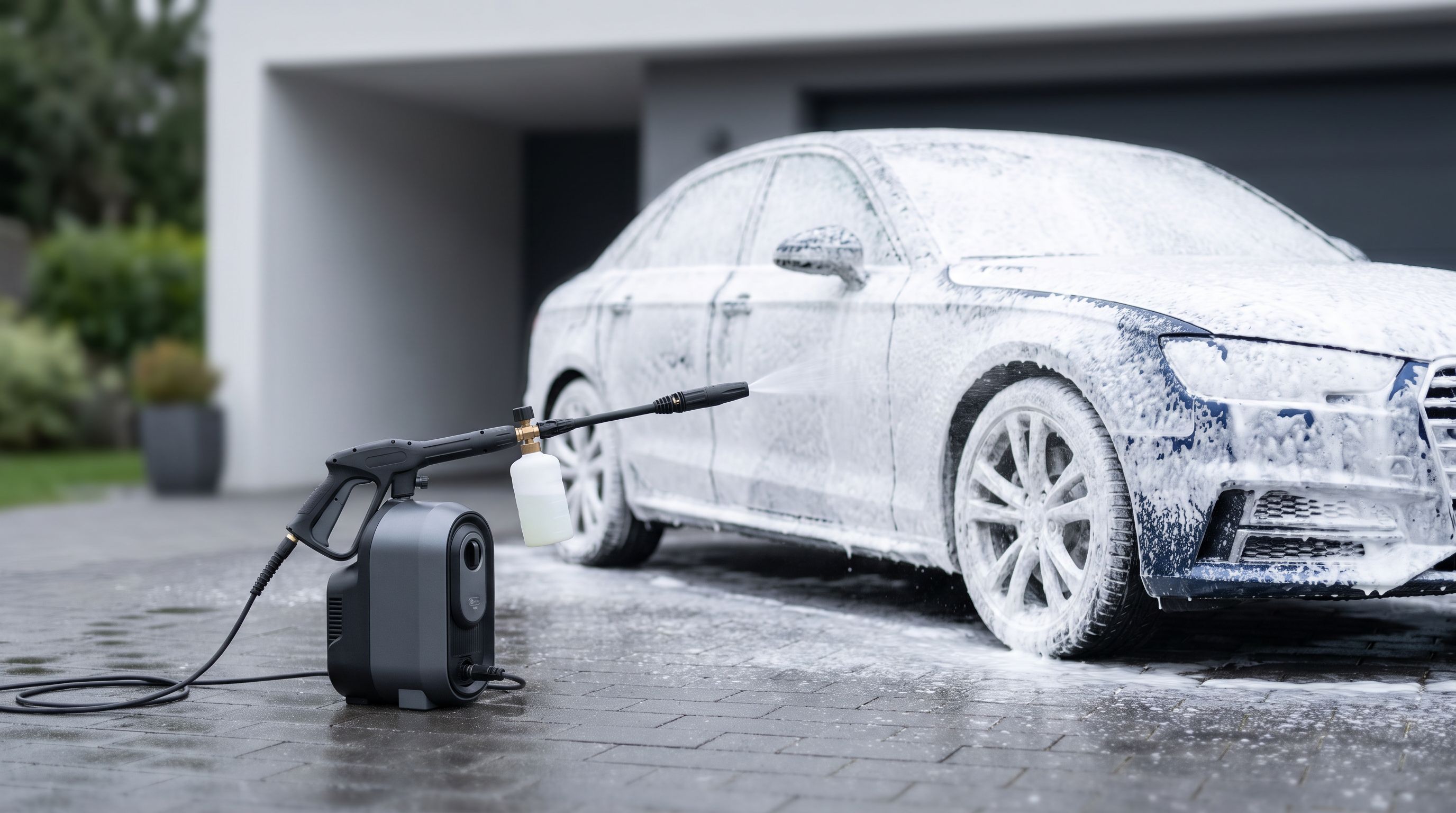
Pressure Washers for Car Washing in 2026: 4 Safe Picks
The best pressure washer for car washing in 2026 isn't the most powerful one. We compare PSI/GPM sweet spots, hose length, motor type and foam cannon fit.
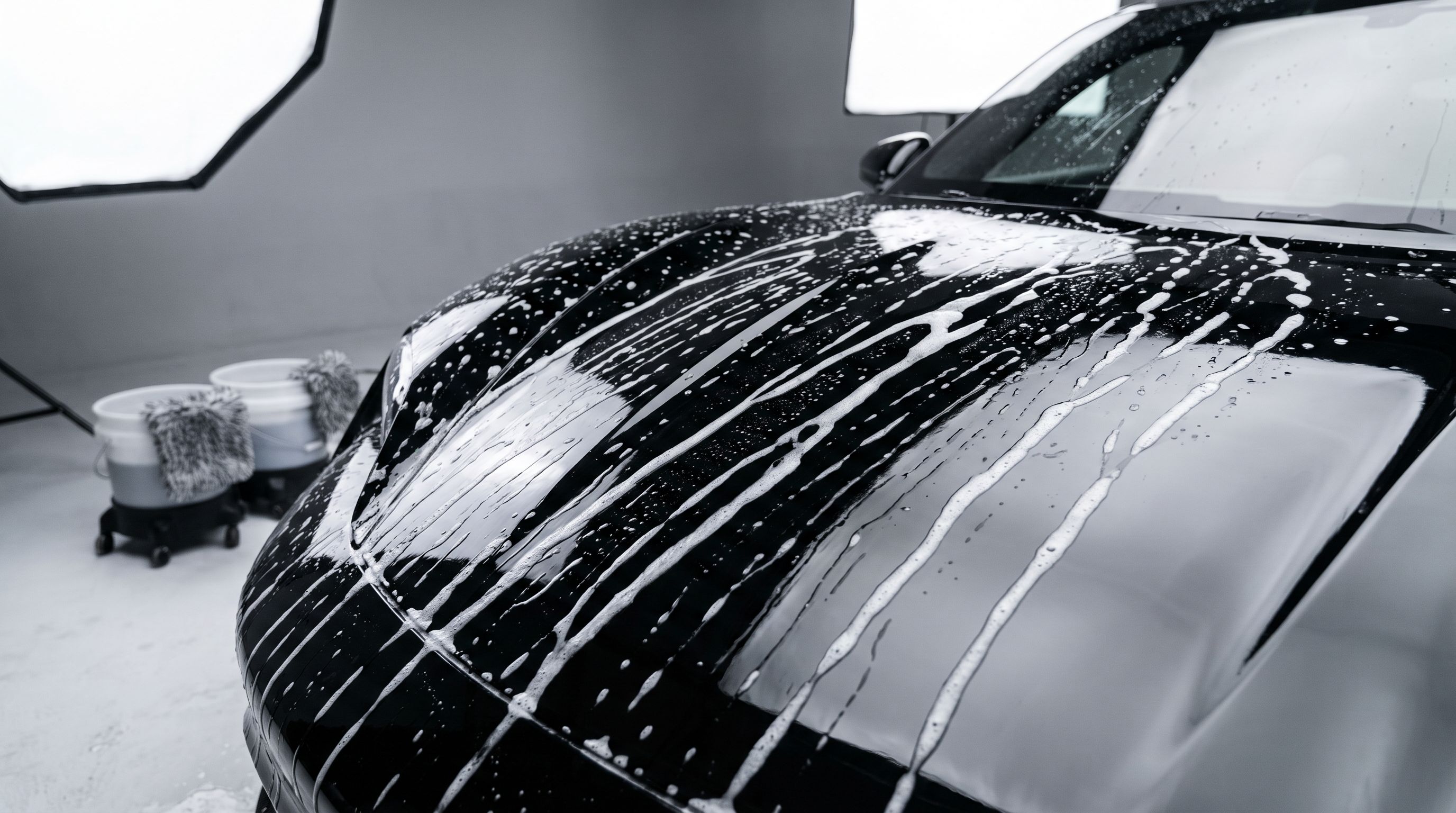
Ceramic Coating Maintenance Shampoo 2026: pH That Won't Strip
How to pick a coating-safe car shampoo in 2026: pH-neutral vs SiO2 toppers, gloss boosters, dilution ratios and the washing habits that actually kill ceramic coatings.
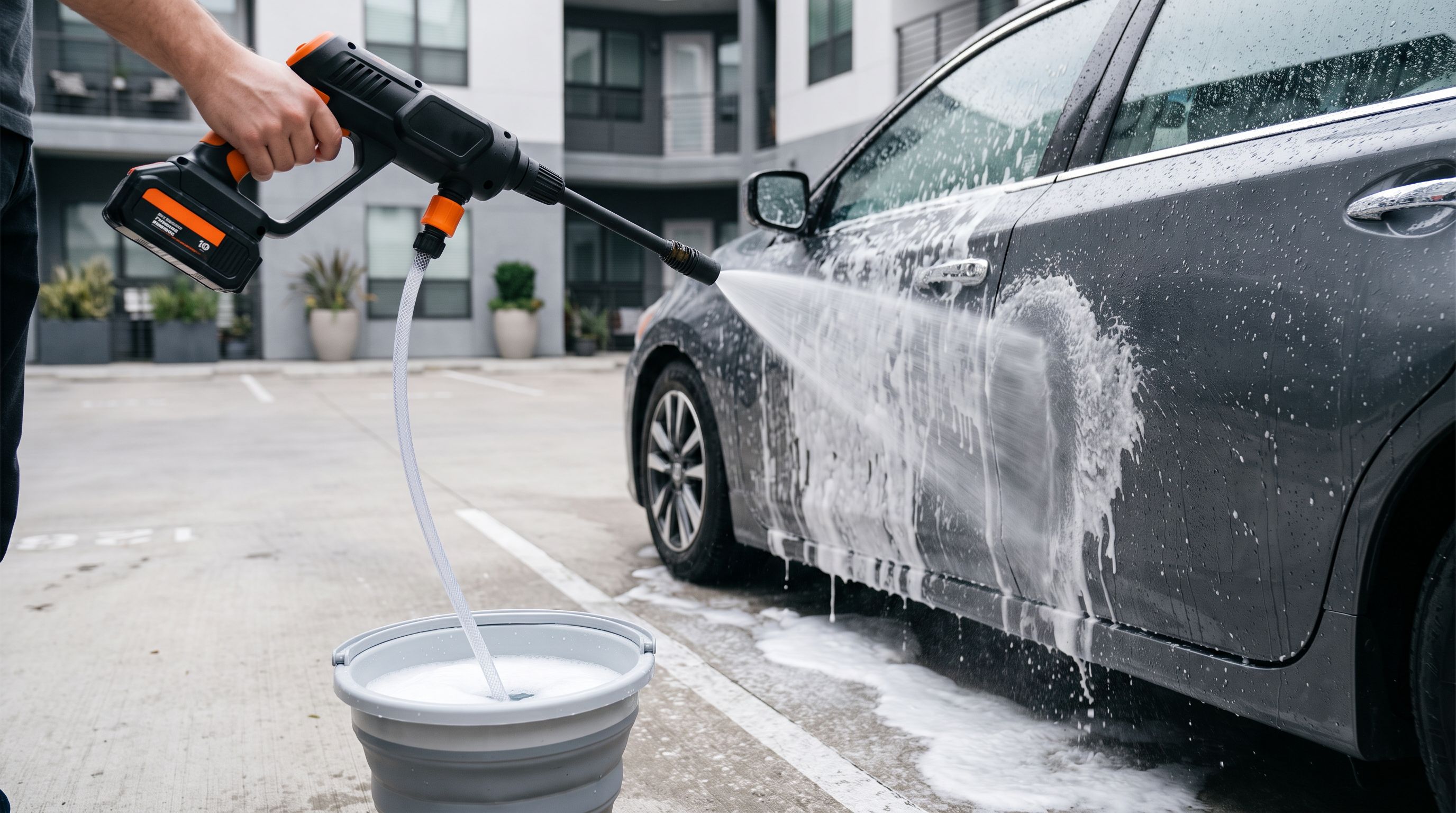
Battery Powered Pressure Washer 2026: PSI That Still Cleans
Cordless vs corded for car washing in 2026: real PSI and GPM at the nozzle, runtime per battery, tank-draw limits, and five picks that actually rinse a car clean.