Interior Dash Cams 2026: Cabin View Picks for Rideshare
The best interior dash cam for rideshare in 2026, compared on IR night clarity, three-channel coverage, parking-mode power draw and storage needs for Uber and Lyft drivers.
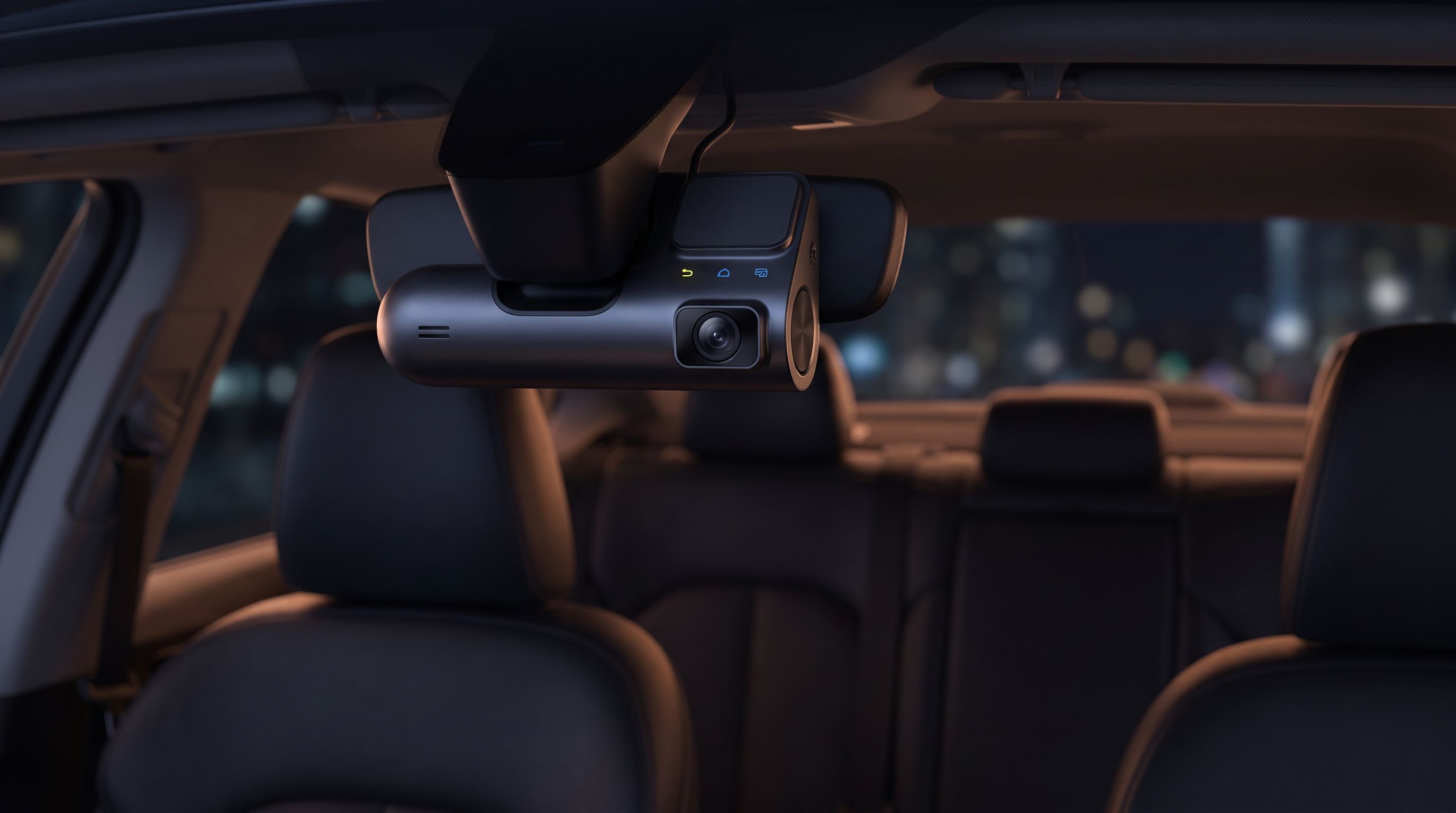
Reader-supported: we may earn a commission from links on this page, at no extra cost to you. It never affects our picks. Learn more.
Driving for Uber or Lyft means inviting strangers into your car ten to thirty times a shift. A forward-facing dash cam protects you from the other cars on the road. An interior dash cam protects you from what happens two feet behind your head — false damage claims, cleaning-fee disputes, verbal abuse, and the occasional deactivation appeal where your word alone is not enough.
The catch: cabin footage is shot in near-total darkness, through a windshield-mounted camera, with a passenger's face lit only by phone glare and passing streetlights. That is a much harder job than filming a license plate under a streetlight. Below we compare the cabin-facing and three-channel dash cams worth buying in 2026, focusing on the three things rideshare drivers actually get burned by: infrared night clarity, parking-mode power draw, and how fast three video streams eat a memory card.
GarageProof does not physically test units. These rankings come from manufacturer specifications, independent reviews, and verified owner feedback from drivers running these cameras on real rideshare shifts.
The short version
- Best overall: Vantrue N4 Pro
- Best image quality: Viofo A329S
- Best value two-channel: Vantrue N2 Pro
- Most discreet: Garmin Dash Cam Tandem
- Budget pick: Redtiger F17 Plus
 Budget pick · Redtiger F17 Plus — Check price on Amazon →
 Most discreet · Garmin Dash Cam Tandem — Check price on Amazon →
 Best value two-channel · Vantrue N2 Pro — Check price on Amazon →
 Best image quality · Viofo A329S — Check price on Amazon →
 Best overall · Vantrue N4 Pro — Check price on Amazon →
How to choose
Infrared night clarity is the whole ballgame
Your interior lens will spend most of its working life in the dark. Cabin cameras solve this with infrared LEDs around the lens and an IR-sensitive sensor, which produces black-and-white video that ignores tint and darkness. The variables that matter are how many IR LEDs there are, whether they're 940nm (invisible to passengers) or 850nm (faintly visible red glow), and whether the sensor actually resolves faces at back-seat distance rather than just blobs.
Vantrue has built its reputation on this — the N2 Pro and N4 Pro use multiple IR LEDs and are consistently praised by owners for readable faces across the rear bench. A newer alternative is a color-capable low-light interior sensor, which the Redtiger F17 Plus markets heavily; color is genuinely more useful for identifying clothing and skin tone, but it depends on there being some ambient light. In a pitch-black car on a rural road, IR still wins.
One more thing: check the interior lens field of view. Anything under roughly 150 degrees will miss the outer edges of a three-across back seat in a sedan, and will definitely miss them in a minivan.
Three channels versus two, honestly
A three-channel setup adds a rear-facing exterior camera on top of front and cabin. It is genuinely useful for rear-end collisions, which are common in stop-and-go rideshare driving, and for capturing what happened after a passenger exits. But it also means a second cable run down the headliner, a third video stream chewing storage, and more heat inside the main unit.
If your budget or patience is limited, a front-plus-interior two-channel like the Vantrue N2 Pro or Garmin Dash Cam Tandem covers the two scenarios that end careers: a crash you didn't cause, and a passenger allegation. Add the rear channel when you can.
Parking mode and the battery math
Parking mode is where drivers get into trouble. To record while parked, the camera needs constant power, which means a hardwire kit tapped into your fuse box with a low-voltage cutoff — typically selectable between roughly 11.6V and 12.4V on a 12V vehicle. Set the cutoff too low and you will find a dead battery on a cold morning.
Draw varies enormously by mode. Buffered motion-detection recording on three channels with IR LEDs firing pulls meaningfully more current than a time-lapse or a low-bitrate single-channel parking mode. Practical guidance from owner reports: if you park overnight and drive daily, three-channel buffered parking mode is usually survivable on a healthy battery with a 12.0V–12.2V cutoff. If your car sits for days, use time-lapse, disable the interior channel while parked (nobody's in the car anyway), or run a dedicated dash cam battery pack such as a Cellink or BlackVue power module.
Also check the capacitor question. Every camera here that's worth buying uses a supercapacitor rather than a lithium battery, because a car parked in July in Phoenix will destroy a lithium cell. The Vantrue N4 Pro and Viofo A329S both use supercapacitors — a non-negotiable for full-time rideshare use.
Storage: three streams fill cards fast
This is the spec most buyers ignore and then complain about. A three-channel camera recording 4K front plus two 1080p streams can consume well over 10GB per hour depending on bitrate settings. On a 128GB card, that's a handful of hours before loop recording starts overwriting — which is fine for a crash, and a disaster if a passenger files a complaint four days later.
Buy the largest card the camera officially supports (many current models handle 256GB or 512GB; check the manual, not the marketing), and buy a high-endurance card — SanDisk High Endurance, Samsung PRO Endurance, or the manufacturer's own card. Standard consumer microSD cards fail under continuous rewrite loads, usually silently, and you find out when you need the footage. Format the card monthly and lock important clips immediately via the app or the emergency button.
The picks
Vantrue N4 Pro — best overall
Prices last checked September 26, 2026. Amazon prices change frequently, so treat these as a guide and check the live price before you buy.
Vantrue N4 Pro
Three-channel 4K+1080p+1080p with strong IR cabin video and a supercapacitor built for hot cars.
The N4 Pro is the default recommendation for full-time Uber and Lyft drivers, and for good reason: it packs front, interior and rear channels into one unit, uses a supercapacitor for heat tolerance, and Vantrue's IR cabin implementation is the one owners consistently say produces identifiable faces rather than ghostly outlines. The front channel records in 4K when used alone and steps down when all three run — normal for the category, and a reasonable trade.
What you give up: it's a chunky unit, so it's visible from outside the car, and the three-channel combo mode means shorter loop retention on a given card. Budget for a 256GB or larger high-endurance card and a hardwire kit on day one.
Viofo A329S — best image quality
Viofo A329S
Class-leading 4K front footage with optional interior and rear channels for full rideshare coverage.
If your priority is footage that holds up under scrutiny — plates readable at speed, detail in high-contrast dawn and dusk light — the A329S is the sharpest option here. Independent reviewers in 2026 repeatedly single it out as the best all-around dash cam on image quality, and it supports adding interior and rear cameras to build a full rideshare setup rather than locking you into a fixed three-lens body.
The trade-off is that the modular approach means more planning and potentially more cost than an all-in-one, and Viofo's interior channel is a secondary strength rather than the headline feature the way it is for Vantrue. Choose this if exterior evidence quality matters most and cabin coverage is the supporting act.
Vantrue N2 Pro — best value two-channel
Vantrue N2 Pro
Proven front-plus-IR-cabin setup that still nails plate and face capture without three-channel cost.
The N2 Pro has been the rideshare community's workhorse for years and remains a smart buy in 2026 if you want front and interior coverage without three-channel complexity. It's a single compact body with an IR cabin lens, no rear cable to route, and a simpler install that most drivers can do in an afternoon.
You give up the rear exterior channel, which matters if you're frequently rear-ended, and the sensors are an older generation than the N4 Pro's — front footage is good rather than class-leading. But for the core rideshare job of documenting who was in your car and what happened ahead of you, it does the work at a lower price and with fewer failure points.
Garmin Dash Cam Tandem — most discreet
Garmin Dash Cam Tandem
Tiny single-body unit with front and low-light interior lenses that hides behind the mirror.
The Tandem is tiny — genuinely small enough to disappear behind a rear-view mirror — and it shoots front and interior simultaneously with a low-light-capable cabin lens. For drivers who don't want passengers fixating on a camera, or who share a vehicle, its size is the whole pitch. Garmin's app and voice control are also more polished than most budget competitors.
Compromises are real: resolution is lower than the Vantrue and Viofo units, there's no rear channel, and the compact body means less generous storage support. Treat it as an evidence camera, not a cinematic one. If you want something you'll never think about again and never have to explain to a passenger, it's the pick.
Redtiger F17 Plus — budget pick
Redtiger F17 Plus
Affordable three-channel kit with color-capable interior view and simple app-based clip sharing.
The F17 Plus is the value entry in the three-channel category, giving front, cabin and rear coverage plus a color-capable interior view and fast Wi-Fi clip transfer to your phone — useful when Uber support asks for footage while you're still parked at the airport queue. Owner feedback is broadly positive for the money.
Expect budget-tier compromises: less consistent low-light performance than Vantrue's IR setup when ambient light is truly absent, shorter track record on long-term durability in extreme heat, and a heavier reliance on the phone app for anything beyond basic settings. If you're new to rideshare and want coverage now, it's a sensible starting point.
Comparison table
| Model | Channels | Cabin night approach | Power buffer | Best for |
|---|---|---|---|---|
| Vantrue N4 Pro | 3 (front + cabin + rear) | Infrared LEDs, B&W | Supercapacitor | Full-time rideshare, all-in-one coverage |
| Viofo A329S | 1, expandable to 3 | Secondary interior channel | Supercapacitor | Maximum exterior image quality |
| Vantrue N2 Pro | 2 (front + cabin) | Infrared LEDs, B&W | Supercapacitor | Best value, simplest install |
| Garmin Dash Cam Tandem | 2 (front + cabin) | Low-light interior lens | Compact internal | Discreet install, shared vehicles |
| Redtiger F17 Plus | 3 (front + cabin + rear) | Color-capable low light | Supercapacitor | Budget three-channel coverage |
Always confirm current specs on the manufacturer's page before buying — dash cam makers revise sensors, storage limits and firmware features between production runs.
Installation notes that save headaches
Hardwire it. A cigarette-lighter plug dies when the ignition goes off, which means no parking mode and a cable dangling across your dash for passengers to kick. A proper fuse-tap hardwire kit with low-voltage protection costs little and takes about 30 minutes. Many vehicles have an add-a-circuit fuse tap sized specifically for their fuse box — check whether yours uses mini, micro2 or low-profile mini fuses before ordering.
Aim the interior lens deliberately. Mount the unit high and centered, then physically rotate the cabin lens so the frame covers the rear bench, not the headliner. Sit in the back seat and check the live view on the screen or app.
Know your local audio recording law. Several US states require all-party consent for audio recording. Most rideshare drivers post a small visible notice on the rear window stating that audio and video recording is in progress — it satisfies notice requirements in most jurisdictions and deters bad behavior. Check your state and your platform's current policy; Uber and Lyft both publish guidance, and rules change.
Fitment is vehicle-specific. Adhesive mounts, cable routing paths and fuse box layouts vary by year, make and model. If you're buying a hardwire kit or a rear camera with a fixed cable length, verify the run length works for your vehicle — a rear cable that's long enough for a Corolla may not reach the back of a Pacifica.
FAQ
Do I need three channels, or is front plus interior enough? Front plus interior covers the two highest-value scenarios: at-fault disputes ahead of you and passenger allegations behind you. The rear channel adds protection against rear-end collisions and post-drop-off incidents. If budget is tight, start with two channels and upgrade later.
Will passengers notice the infrared LEDs? 940nm IR LEDs are essentially invisible. 850nm LEDs emit a faint red glow that observant passengers will spot in the dark. Either way, most drivers post a recording notice anyway, so visibility is less of an issue than it sounds.
How big a memory card do I need? Get the largest high-endurance card your camera officially supports — commonly 256GB or 512GB on current models. Three-channel recording consumes storage quickly, and a bigger card means more days of history before loop recording overwrites it.
Will parking mode drain my battery? It can, if you set the voltage cutoff too low or leave buffered three-channel recording running while the car sits for days. Use a hardwire kit with low-voltage protection, set the cutoff conservatively, and consider time-lapse parking mode or an external dash cam battery pack if your car sits unused.
Can I use dash cam footage in an Uber or Lyft dispute? Yes — both platforms accept video evidence in support appeals, and drivers routinely report it resolving cleaning-fee and conduct disputes. The practical requirement is that you lock or export the clip before loop recording overwrites it, which is why fast Wi-Fi transfer and generous storage matter more than they first appear.
Get the best car care deals in your inbox
Join the GarageProof newsletter for hand-picked car care deals and new buying guides. No spam, unsubscribe anytime.
Related reads
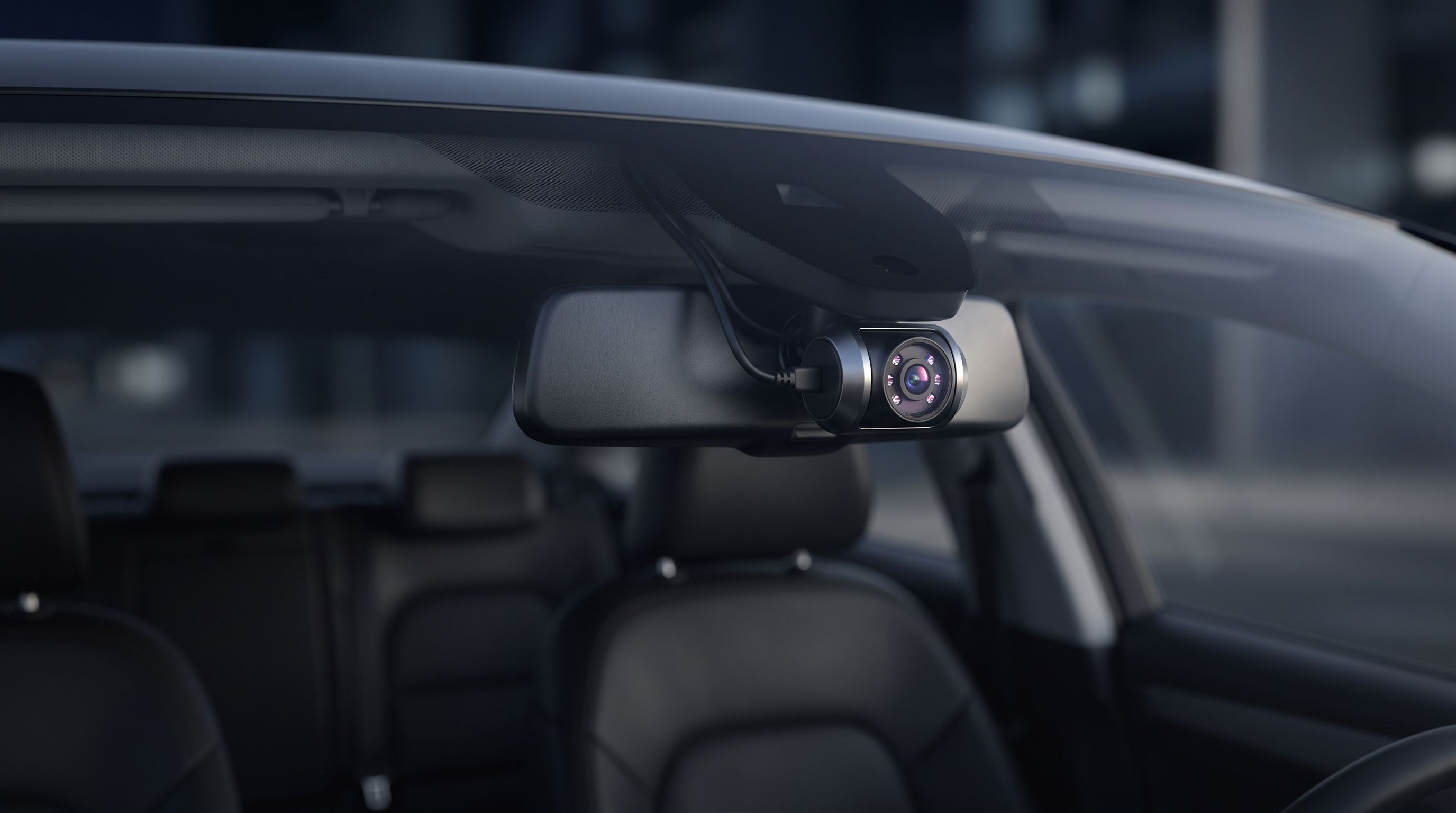
Dash Cam for Uber Drivers 2026: 3 Channels or 2?
The best dash cam for Uber drivers in 2026 depends on cabin IR, mounting room, and parking power. We compare 2- vs 3-channel picks from Vantrue, Viofo and more.
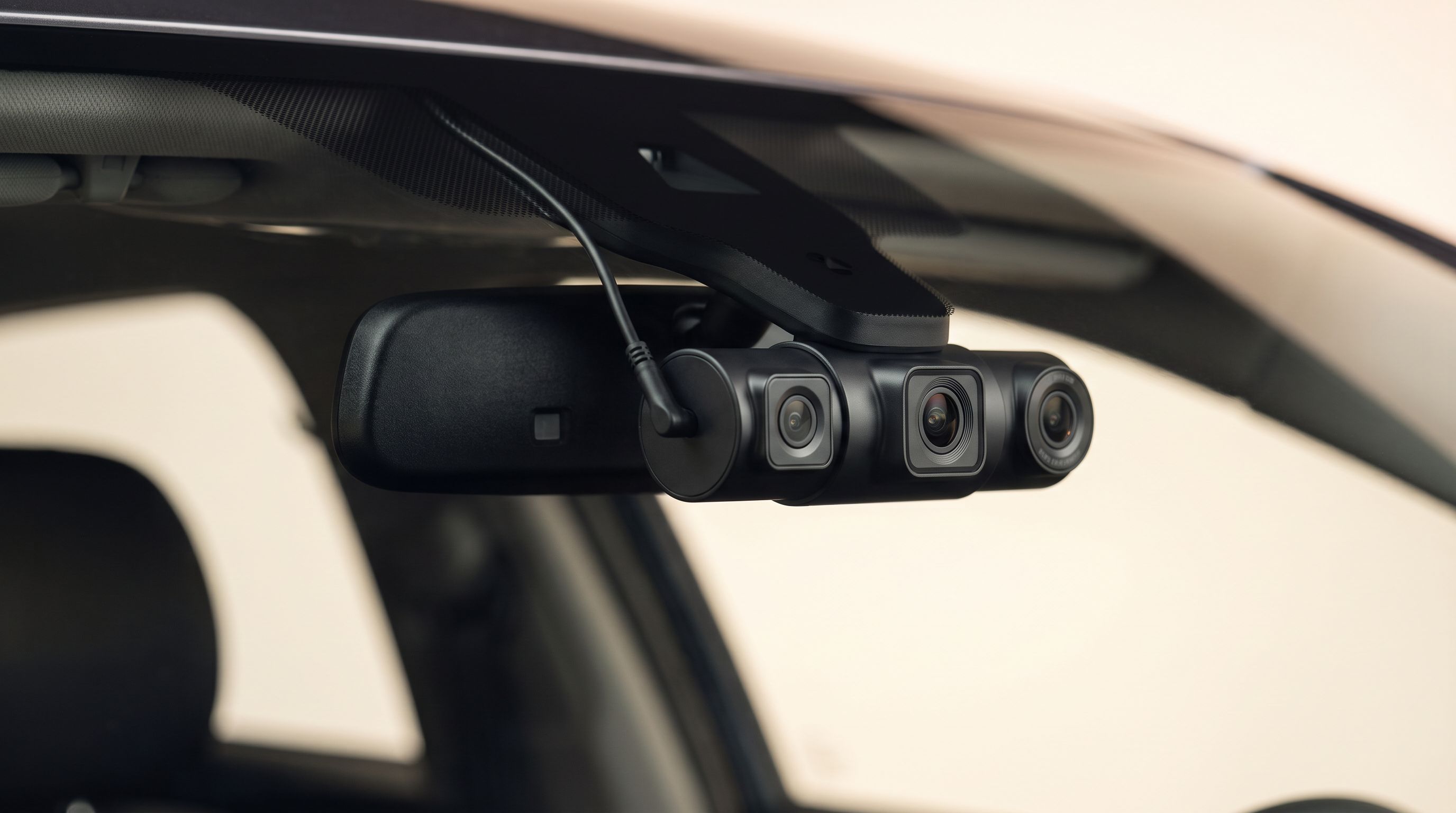
3 Channel Dash Cam 2026: Will the Cabin Cam Actually Fit?
A 2026 guide to 3 channel dash cams focused on rear cable length, interior IR quality and hardwire kit fitment — so the cameras physically fit your cabin and glass.
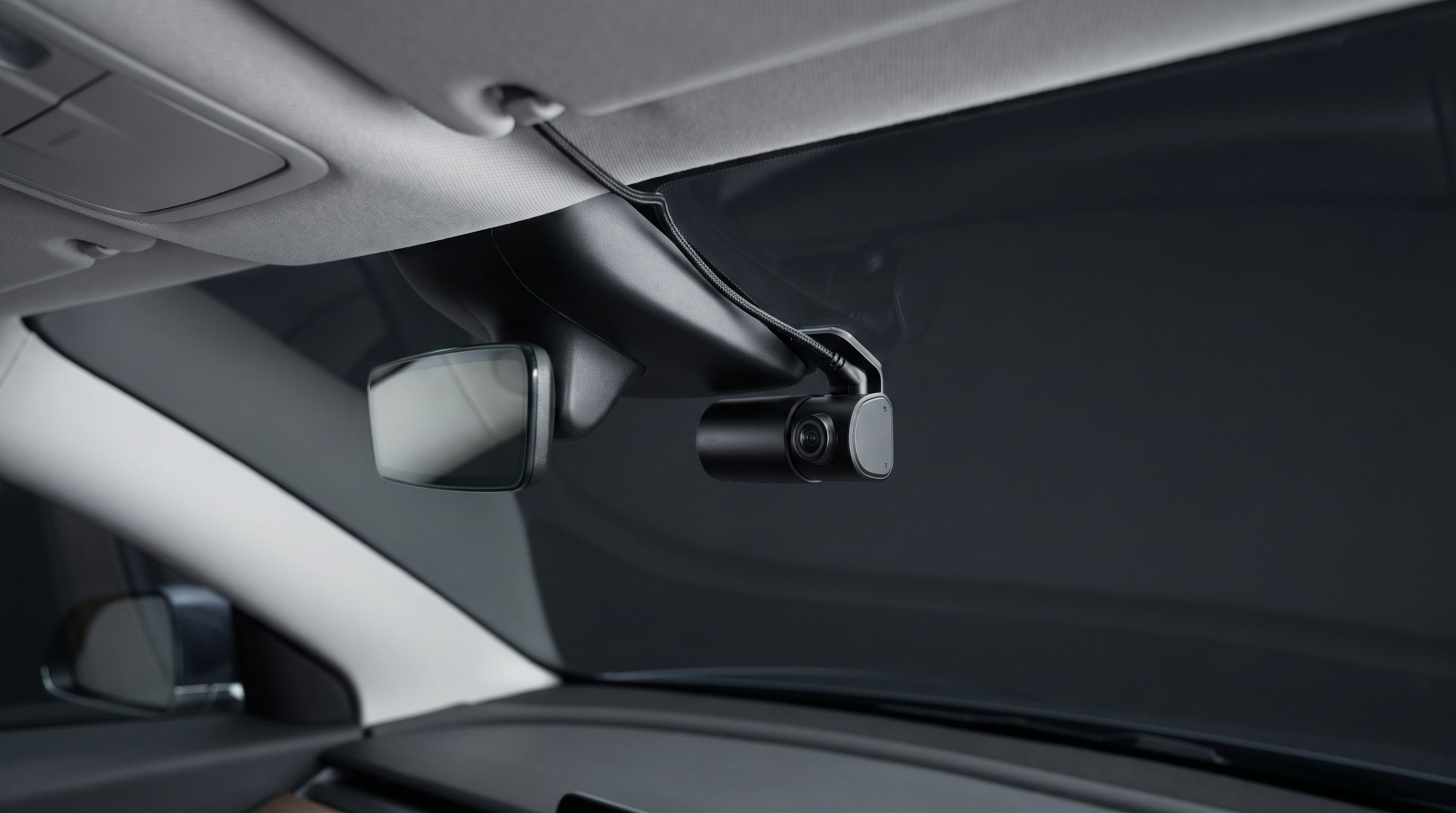
Dash Cam for a Leased Car in 2026: No-Drill Power Routes
The best no-drill dash cam setups for leased cars in 2026 — OBD and fuse-tap power, adhesive mounts, and how to route cables around A-pillar airbags safely.