Cold Weather and EV Range in 2026, Explained
Why EVs lose range in the cold, what preconditioning and heat pumps actually change, and which tires and accessories measurably help winter driving in 2026.
Reader-supported: we may earn a commission from links on this page, at no extra cost to you. It never affects our picks. Learn more.
There is a version of the EV winter story that is pure panic — "40% range loss!" — and a version that is pure denial — "just precondition, it's fine." Neither is useful when it's 12°F, you're 40 miles from home, and the guess-o-meter is dropping faster than the odometer.
The honest version is more interesting. Cold costs an EV range through three separate mechanisms, and they respond to completely different interventions. One of them you can mostly eliminate with a plug and a phone app. One of them you can shrink with hardware choices. And one of them is physics you simply have to budget around. Knowing which is which is the difference between a stressful winter and an unremarkable one.
What's actually happening now
Start with the mechanisms, because the mitigations only make sense once they're separated.
Cabin heat. This is the big one, and it's the one most commonly misattributed to "the battery." A gas car heats the cabin with waste heat it was producing anyway. An EV has almost no waste heat, so cabin warmth comes out of the same pack that moves the car. Resistive heating is effectively a space heater running off your fuel tank. This is why range loss is worst on short trips — you pay the heat-up tax and then park before you've driven far enough to amortize it.
Battery chemistry and conditioning. Lithium-ion cells have slower ion movement when cold. You get reduced usable capacity, reduced power, and — critically — dramatically reduced DC fast-charging speed until the pack warms up. A cold pack arriving at a fast charger can crawl. This is the mechanism behind the "I sat at the charger for 50 minutes" horror stories, and it is largely solvable by preconditioning.
Everything else. Denser cold air means more aerodynamic drag. Cold tires and cold lubricants mean more rolling resistance. Snow and slush mean more resistance still. Winter tires, which are the right safety call, typically carry a rolling resistance penalty of their own. None of this is fixable — it's a budgeting problem, not a technique problem.
Owner-reported numbers vary enormously precisely because the mix of those three varies. Someone doing a single 60-mile highway commute in 20°F weather sees a much smaller hit than someone doing six five-mile errands in the same conditions. As one widely cited owner discussion frames it, the "specifics vary wildly" — and that's not noise, that's the trip profile talking.
The real players and the hardware that changed
The most meaningful industry shift is unglamorous: heat pumps became standard equipment across a broad swath of the market rather than a premium option. Industry coverage, including ZETA's 2026 write-up on winter EV performance, credits the wider adoption of heat pumps as a primary reason newer models hold up better in the cold. A heat pump moves heat rather than generating it, and can deliver meaningfully more cabin warmth per kWh than a resistive element — the advantage narrows as temperatures drop toward and below 0°F, but the mild-cold and moderate-cold range where most people actually live is where most winter miles are lost.
Hyundai and Kia have shipped heat pumps on Ioniq and EV6-generation cars, Tesla moved to a heat pump with the Model Y and later the Model 3, and Ford, GM, Rivian, and others have rolled equivalent thermal hardware into current models. Battery preconditioning tied to navigation — where the car warms the pack automatically because you routed to a fast charger — is now common across Tesla, Hyundai/Kia E-GMP cars, Ford, Rivian, and Lucid, though the exact behavior and whether you can trigger it manually differs by brand and software version.
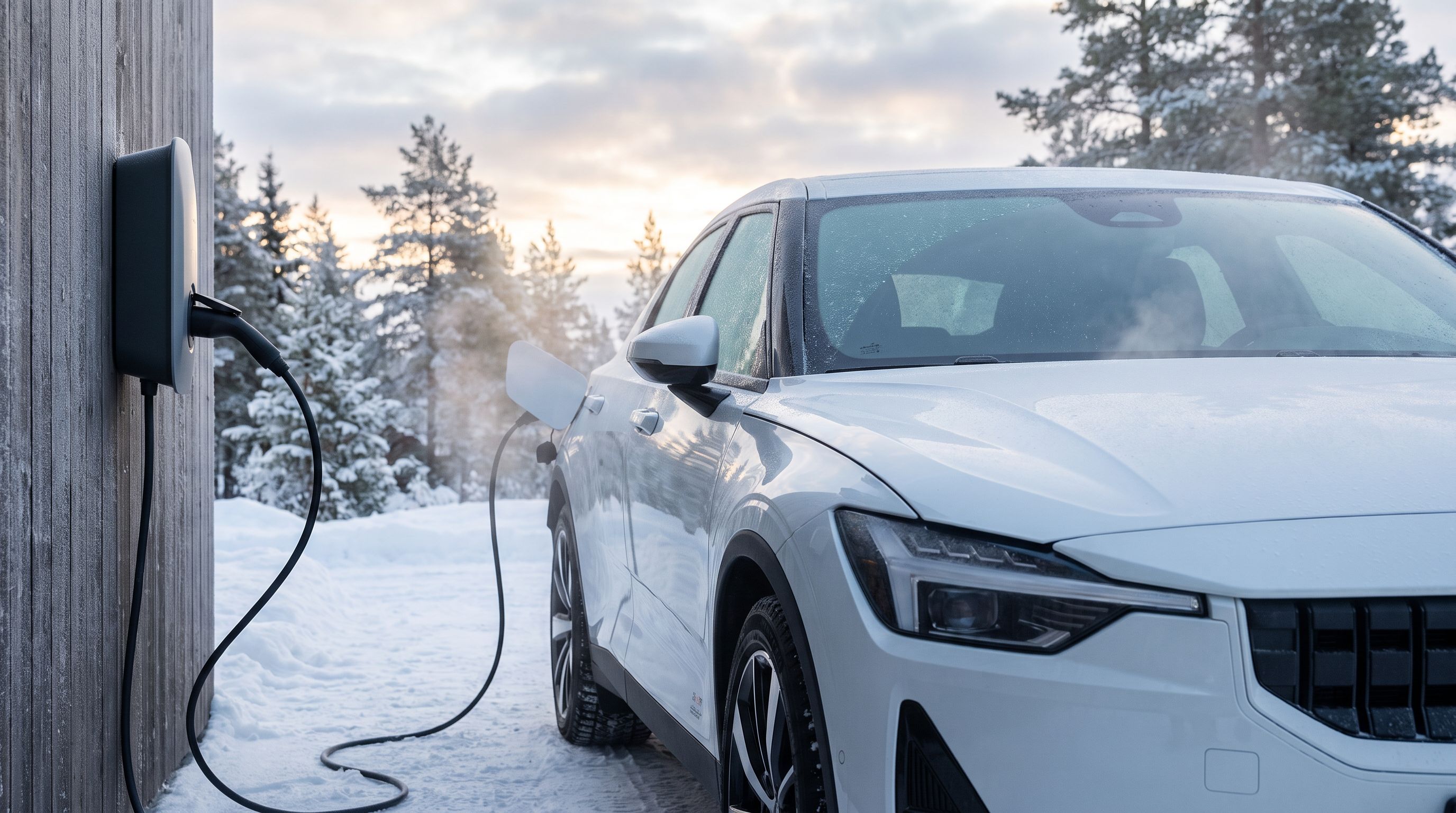
The other real player is your home charger, because preconditioning is only free when you're plugged in. Heating the cabin and pack from wall power before you unplug costs you essentially zero range. Doing the same thing after you've left costs you miles. That single distinction is the highest-leverage habit in EV winter ownership, and it's the one every manufacturer guide — from OEM owner tips to dealer explainers — leads with.
| Mechanism | Typical impact | What actually helps | What doesn't |
|---|---|---|---|
| Cabin heating | Largest on short trips | Precondition while plugged in; heated seats/wheel over cabin air; windshield cover to cut defrost time | Preconditioning after unplugging |
| Cold pack / slow DC charging | Severe until pack warms | Navigate-to-charger preconditioning; garage or covered parking; plugged-in storage | Arriving cold and hoping |
| Drag, rolling resistance, slush | Steady 5–15%-ish, unavoidable | Correct tire pressure (it drops in the cold); slowing down | Any app or accessory |
What it means if you're shopping today
If you're buying an EV in 2026, the winter-relevant spec sheet items are short: does it have a heat pump, does it have battery preconditioning you can trigger for a fast-charge stop, and does it have heated seats and a heated steering wheel. Those three together do more for cold-weather usability than a marginal difference in EPA range — and unlike EPA range, they're cheap to verify.
If you already own one, the accessory conversation is smaller than the internet suggests, because most of the real wins are behavioral. But three purchases do move the needle.
Winter tires. This is a safety decision first and a range decision second, but it's the biggest hardware change you can make. Michelin X-Ice Snow is the mainstream studless benchmark and is available in a wide range of EV-relevant sizes and load ratings. Nokian Hakkapeliitta R5 EV is marketed explicitly at EV loads and rolling resistance. Either way, check load index — EVs are heavy, and undersized load ratings are a real failure mode. Expect some range cost; take it anyway.
 Purpose-built for EVs · Nokian Hakkapeliitta R5 EV — Check price on Amazon →
 Closest you can buy today · Michelin X-Ice Snow — Check price on Amazon →
A windshield cover. Deeply unsexy, genuinely effective. Defrost is one of the heaviest HVAC loads, and on a short trip you may run it for most of the drive. Something like an Astroai car windshield snow cover eliminates the scraping and shortens the defrost cycle. It's the cheapest measurable range intervention available.
A 12V battery maintainer. The single most common EV winter failure isn't the traction pack — it's the small 12V accessory battery that wakes the car up. A NOCO Genius GEN5X1 onboard battery charger or similar maintainer is the same insurance a classic-car owner has used for decades, applied to a very modern problem. Check your owner's manual first; some EVs have specific guidance about charging the 12V directly.
What doesn't help: battery blankets marketed for EVs, "range boosting" additives, and most aerodynamic gimmicks. If a product claims to recover winter range through anything other than heat management, tires, or pressure, treat the claim skeptically.
What to watch next
Three things worth tracking through 2026 and beyond. First, heat pump low-temperature performance — the current generation falls back toward resistive heating in deep cold, and refrigerant and system improvements aimed at that window are where the next real gain lives. Second, LFP chemistry's cold behavior. LFP packs are spreading fast on cost and longevity grounds, and they're generally regarded as more cold-sensitive for charging than NMC, which makes preconditioning discipline more important, not less. Third, charging network preconditioning integration — the more reliably a car knows you're headed to a specific charger, the less the cold-pack problem exists in practice.
Underneath all of it, the practical advice hasn't changed and probably won't: store it plugged in, warm it on wall power, put real winter tires on it, and budget your winter range honestly instead of arguing with the dashboard estimate.
FAQ
How much range will I actually lose? It depends far more on trip length and temperature than on the badge. Short, cold, stop-start trips are worst because you pay the cabin heat-up cost repeatedly. Long highway runs in the same weather fare noticeably better.
Does preconditioning save range or use it? Both, depending on when. Plugged in, it's essentially free and saves you range on the road. Unplugged, you're spending pack energy to do it — still worth it for comfort and safety, but count the cost.
Should I leave my EV plugged in overnight in the cold? Generally yes. Guidance commonly points to storing plugged in so the car can manage pack temperature from wall power, often with a charge limit set well below 100% for daily use. Follow your manufacturer's specific recommendation.
Do heated seats really matter? Yes, disproportionately. Heating a person directly uses a small fraction of the energy needed to heat the whole cabin's air volume. Seats and steering wheel first, cabin air second, is the efficient order.
Is a garage worth it? It's one of the more reliably cited recommendations — starting from a warmer pack and a frost-free windshield reduces both the heating load and the DC-charging penalty. Covered parking captures part of the benefit.
Our picks
Michelin X-Ice Snow
A widely available studless winter tire with low rolling resistance versions sized for common EV fitments.
Nokian Hakkapeliitta R5 EV
Winter tire line marketed specifically for EV loads and low rolling resistance in deep cold.
NOCO Genius GEN5X1 onboard battery charger
Most EV winter no-starts are the 12V accessory battery, not the traction pack.

Astroai Car Windshield Snow Cover
Keeping ice off the glass cuts defrost run time, the single biggest cabin heat draw on short trips.
Get the best car care deals in your inbox
Join the GarageProof newsletter for hand-picked car care deals and new buying guides. No spam, unsubscribe anytime.
Related reads
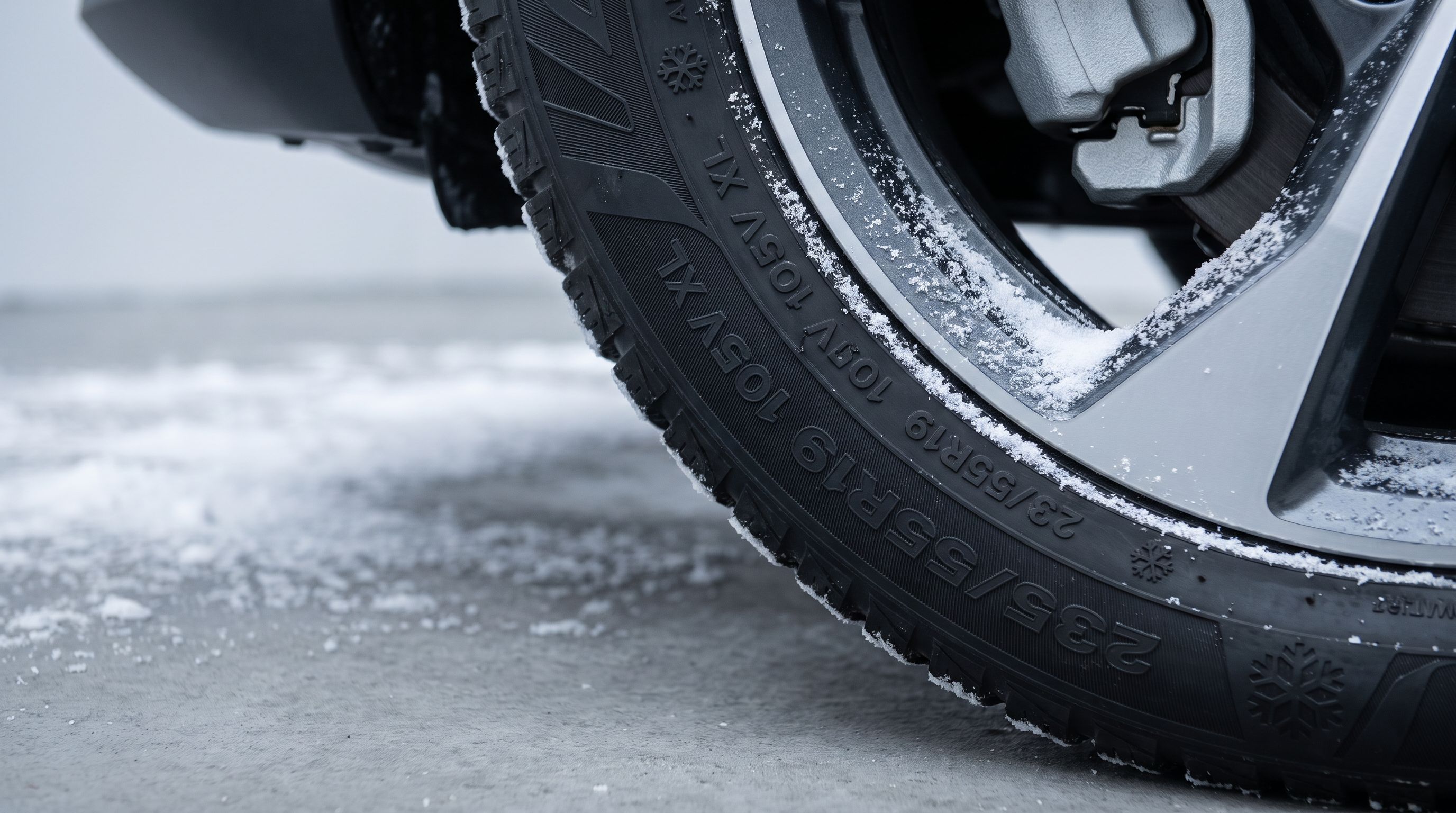
Winter Tires for EVs in 2026: Load Index Before Tread
Why EV weight and torque demand XL or HL winter tires in 2026, how to read sidewall load codes against your door placard, and four winter tires worth buying.
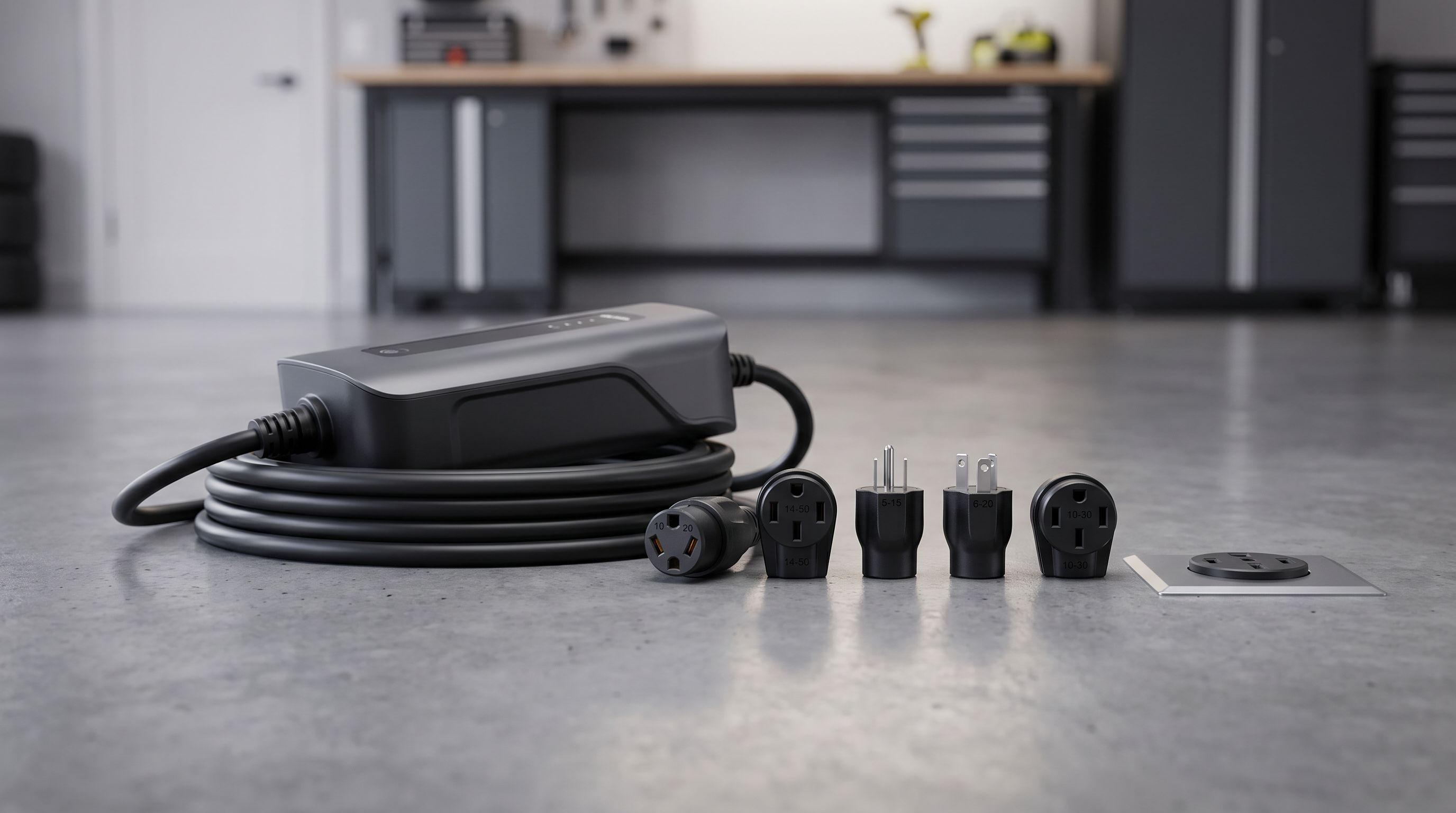
Portable EV Charger Adapter Guide 2026: Match Your Outlet
Portable EV charger adapter guide for 2026: which NEMA plugs travel chargers ship with, how to identify your outlet, and the amperage limits that actually matter.
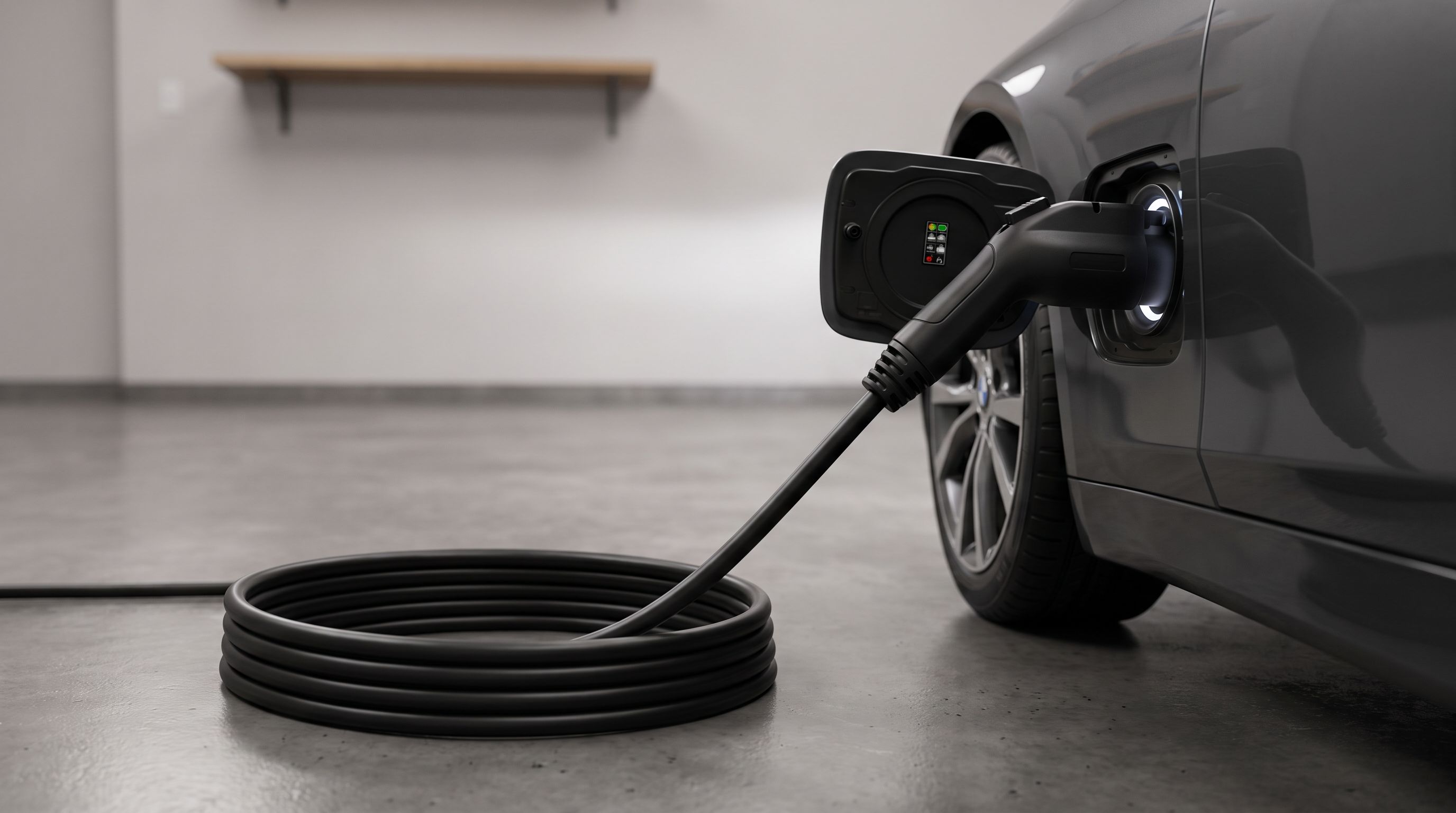
EV Charging Cable Extension 2026: What's Actually Safe
Most EV charging cable extensions aren't code-compliant. Here's what NEC and automakers actually say, plus safer ways to add reach in 2026.