Ceramic Coating Prep Kit 2026: Why Coatings Fail at Step One
A ceramic coating prep kit decides whether your coating bonds or flakes. We compare iron removers, panel wipes and applicators for 2026, plus cure-time rules.
Reader-supported: we may earn a commission from links on this page, at no extra cost to you. It never affects our picks. Learn more.
Ceramic coatings get blamed for a lot of failures they didn't cause. A coating that stops beading after six weeks, streaks that won't buff out, high spots baked into a hood — almost none of that is the coating chemistry. It's what was still sitting on the paint when the coating went down.
A ceramic coating is a thin layer of silica or SiC chemistry that cross-links to the clearcoat. It needs clean, bare, oil-free paint to grip. Wax residue, polishing oils, brake dust embedded in the clear, tar, glaze fillers, even the silicone in a quick detailer — any of it creates a barrier. The coating bonds to the contaminant, the contaminant eventually lets go, and the coating goes with it.
That's why a proper ceramic coating prep kit matters more than which coating bottle you buy. This guide covers the full prep chain — chemical decontamination, mechanical decontamination, panel wipe, applicators — and the cure-time discipline that follows.
The short version
- Best iron remover: CarPro IronX Iron Remover
- Best panel wipe: CarPro Eraser Intense Oil and Polish Remover
- Best decontamination clay: Gyeon Q2M Clay Mild
- Best all-in-one kit for beginners: Gyeon Q2 One EVO
- Best applicators: Chemical Guys Ceramic Coating Applicator Blocks
 Best applicators · Chemical Guys Ceramic Coating Applicator Blocks — Check price on Amazon →
 Best panel wipe · CarPro Eraser Intense Oil and Polish Remover — Check price on Amazon →
 Best iron remover · CarPro IronX Iron Remover — Check price on Amazon →
Why prep decides everything
Independent comparison work backs this up. When Project Farm put eight ceramic coatings on a single hood in 2026 and attacked them with five chemicals, the panel was prepped identically across every section — because without that control, the test would measure prep quality, not coating quality. Detailing publications reviewing 2026 kits consistently note the same thing: the best DIY ceramic coating is one sold as a complete system with prep spray, applicators and towels, precisely because the prep stage is where beginners lose.
Think of prep as four sequential jobs, each removing something the previous step can't:
- Wash — removes loose dirt, road film and most surface-level grime.
- Chemical decontamination — dissolves embedded iron particles and tar that washing leaves behind.
- Mechanical decontamination — clay or a clay mitt shears off anything still bonded to the clearcoat.
- Correction and panel wipe — optional polishing, then a solvent wipe to strip every trace of oil, filler and residue.
Skip any of them and the coating bonds to whatever you left behind.
How to choose
Match your chemical decon to your paint's condition
Run your fingertips (inside a thin plastic bag, which amplifies texture) over a washed panel. Gritty? You need both iron removal and clay. Smooth but dull? You may only need iron removal plus a wipe.
Iron removers work by chelating ferrous particles — brake dust and rail dust that have embedded into the clearcoat and begun to oxidise. A good one is acid-free and pH-balanced so it's safe on trim, calipers and existing coatings. CarPro IronX Iron Remover set that standard and still defines it; it turns purple as it reacts, which gives you a clear visual readout of how contaminated the car actually was. Light-coloured cars often look fine and bleed heavily.
Tar is a separate problem requiring a solvent-based tar remover — iron removers won't touch it. Check lower panels and behind the wheels.
Pick a panel wipe that actually flashes clean
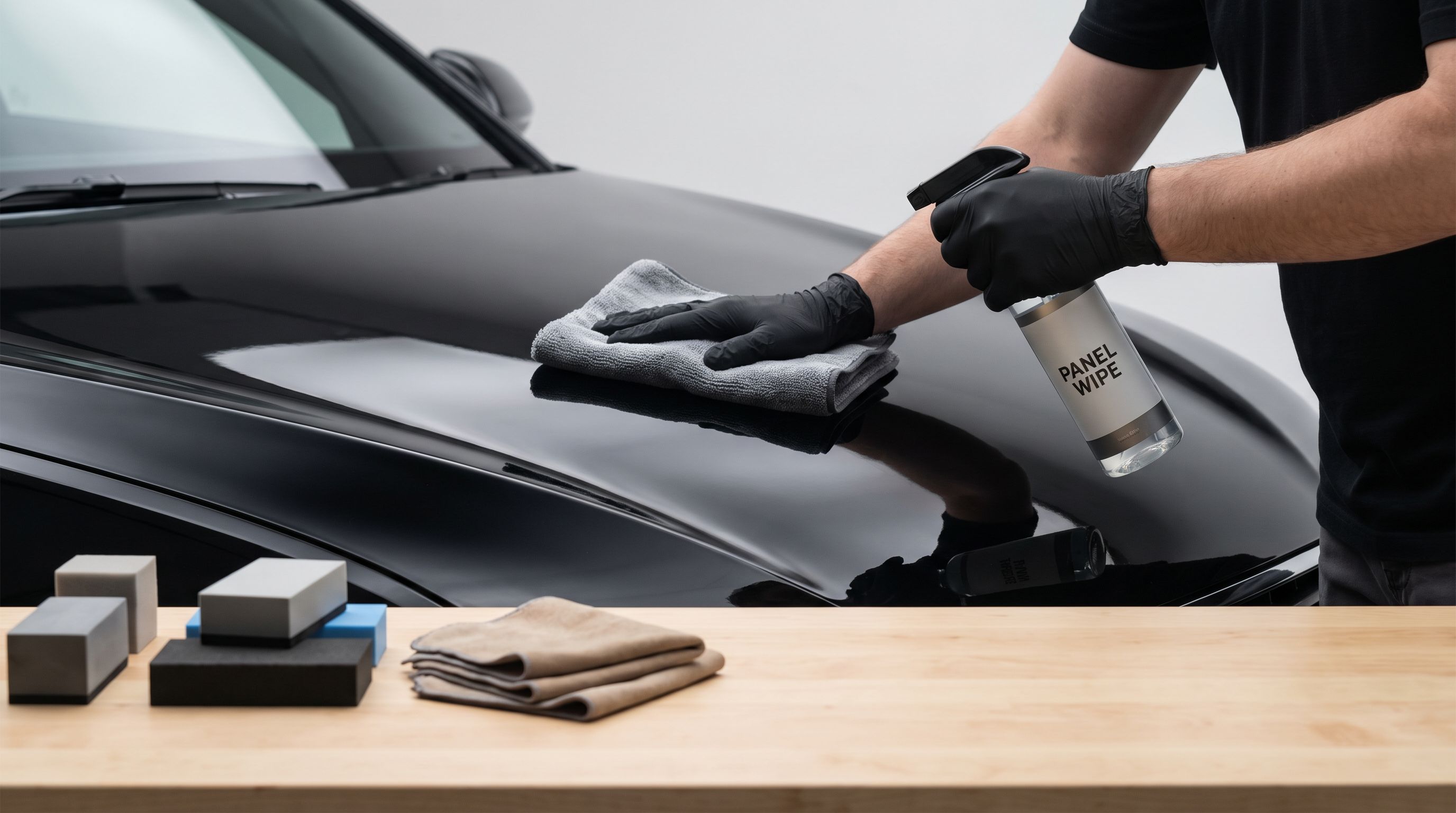
This is the step most people get wrong. A panel wipe (sometimes called an IPA wipe or prep spray) removes polishing oils, waxes and silicone so the coating can reach bare clear. The problem with homebrew isopropyl-and-water mixes is that they leave their own residue, flash unevenly on warm panels, and on softer modern clearcoats can leave the surface looking hazy.
Dedicated products like CarPro Eraser Intense Oil and Polish Remover are formulated to evaporate cleanly and completely without leaving a film. That matters because the coating goes on minutes later. If you've polished the car, a panel wipe is non-negotiable — abrasive polishes contain oils specifically designed to lubricate and fill, and those fillers will mask swirls that reappear a week after coating.
Technique matters as much as product: spray lightly onto a clean, short-nap microfiber rather than flooding the panel, work one section at a time, and flip to a dry side to remove.
Decide whether you need correction at all
Coatings amplify what's underneath. They add gloss and depth, but they also lock in every swirl mark for the life of the coating. On a new car or a well-kept finish, a decon wash plus clay plus panel wipe may be all you need. On a neglected daily driver, you're looking at a one-step machine polish — and then a mandatory panel wipe afterwards.
Be honest about scope. A full correction adds many hours and requires a polisher, pads and compound you may not own. Coating uncorrected paint isn't wrong; it's a choice. Just know you're committing to it for years.
Choose applicators sized for your panels
Coating is applied with a foam block wrapped in a suede or microfiber cloth. The block controls pressure and spread; the cloth meters product flow. Too large and you can't reach recesses; too small and you'll streak large panels chasing coverage.
Most people want two or three blocks and a generous supply of suede cloths — they load up with product and need changing every panel or two. Chemical Guys Ceramic Coating Applicator Blocks are a practical, widely available option sized correctly for standard suede sheets. Also stock more plush levelling towels than you think you need. Reusing a saturated levelling towel is the single most common cause of streaking.
Control your environment before you open the bottle
Temperature and humidity change flash time dramatically. Most coatings want roughly 15–25°C and moderate humidity, out of direct sun, on a panel cool to the touch. In a hot garage the coating flashes almost instantly and you'll fight high spots; in a cold one it stays wet and smears.
Lighting is equally important. You cannot see high spots under a single overhead fluorescent. A handheld inspection light held at a low angle across the panel is the difference between catching a streak in 30 seconds and discovering it permanently two days later.
The picks
CarPro IronX — best iron remover
Prices last checked October 13, 2026. Amazon prices change frequently, so treat these as a guide and check the live price before you buy.
CarPro IronX Iron Remover
The benchmark acid-free fallout remover — colour-changing, pH-balanced and safe on coated and uncoated paint.
IronX is the reference point for acid-free fallout removal, and it earns that through consistency rather than novelty. Sprayed on a cool, washed panel it dwells for a few minutes, bleeds purple where ferrous particles are dissolving, then rinses away. It's safe on paint, glass, plastic trim and most wheel finishes, and it won't strip an existing coating. It suits anyone prepping a car that's seen road use — which is nearly everyone.
What it gives up: the smell is genuinely unpleasant (a sulphur note from the chelating chemistry), so ventilation isn't optional. It also does nothing for tar, so budget for a separate solvent step on lower panels.
CarPro Eraser — best panel wipe
CarPro Eraser Intense Oil and Polish Remover
Fast-flashing IPA-free wipe that strips polishing oils without leaving residue that blocks coating bonds.
Eraser exists to solve one problem: removing polishing oils and residues without leaving residue of its own. It flashes quickly and cleanly, which is exactly what you want in the final minutes before coating, and it's formulated to avoid the hazing that diluted IPA can cause on soft clearcoats. Use it as the last thing that touches the paint, working panel by panel with fresh microfiber.
Who it suits: anyone who has polished, glazed or previously waxed the car. What it gives up: it's a consumable you'll go through faster than expected on a full vehicle, and it's not a cleaner — heavy contamination still needs the decon steps first.
Gyeon Q2M Clay Mild — best decontamination clay
Gyeon Q2M Clay Mild
Forgiving mild-grade clay bar that pulls embedded grit with minimal marring on soft modern clearcoats.
Mild-grade clay is the right default for modern paint. Soft Japanese and European clearcoats mar easily, and an aggressive clay bar can create more correction work than it saves. Q2M Clay Mild pulls embedded grit, overspray and bonded fallout with noticeably less marring, provided you use genuine clay lube and keep the surface flooded.
It suits owners of newer or well-maintained cars, and anyone who doesn't own a polisher and can't fix marring afterwards. What it gives up: on a heavily contaminated, long-neglected finish it'll take longer and may need a medium grade instead. And like all clay, drop it once and it's bin-bound.
Gyeon Q2 One EVO — best all-in-one kit for beginners
Gyeon Q2 One EVO
Complete coating kit with prep spray, applicator and suede cloths included — forgiving flash and levelling window.
If you want prep and coating from a single, coherent system, Q2 One EVO is the one to look at. It ships as a complete kit — coating, prep spray, applicator and suede cloths — and reviewers rating 2026 kits repeatedly name it as the most beginner-friendly of the serious coatings. The reason is its working window: it flashes and levels forgivingly compared with harder, faster-setting professional coatings, so a first-timer has time to correct a streak before it's permanent.
What it gives up: a true professional SiC system applied by a trained installer will outlast it. And a kit's prep spray is sized for one car, so a second vehicle means buying consumables separately.
Chemical Guys Ceramic Coating Applicator Blocks — best applicators
Chemical Guys Ceramic Coating Applicator Blocks
Foam blocks sized for suede cloths, giving even coverage and controlled product flow on panels and edges.
Unglamorous, and the thing people under-buy. These foam blocks are sized to take standard suede application cloths, with enough density to spread product evenly without collapsing under hand pressure. Having several on hand means you're never tempted to keep using a cloth that's gone tacky — the direct cause of most streaking complaints.
They suit every coating application, not just one brand. What they give up: nothing functionally, but treat them as consumables rather than tools. Once coating has cured in the foam, that block is done. Buy a multipack and plan on retiring them with the job.
Prep chain at a glance
| Step | Product type | Removes | Skip it if… | Time |
|---|---|---|---|---|
| 1. Decon wash | pH-neutral shampoo, two buckets | Loose dirt, road film | Never skip | 45–60 min |
| 2. Iron removal | CarPro IronX | Embedded ferrous fallout | Brand-new, never-driven paint | 20–30 min |
| 3. Tar removal | Solvent tar remover | Tar, adhesive, overspray | No tar visible on lower panels | 15 min |
| 4. Clay | Gyeon Q2M Clay Mild | Bonded grit the chemicals missed | Bagged-hand test is glass-smooth | 45–90 min |
| 5. Correction | Polish, pads, machine | Swirls, etching, oxidation | Paint is new or defect-free | 3–10 hrs |
| 6. Panel wipe | CarPro Eraser | Polishing oils, waxes, silicone | Never skip before coating | 30–45 min |
| 7. Apply | Gyeon Q2 One EVO + applicator blocks | — | — | 1–2 hrs |
Cure time: the step after the step
Applying the coating isn't the finish line. Most consumer coatings need a few hours before they resist moisture and several days to reach full hardness. Practical rules:
- Keep it dry. Rain or dew within the first 12–24 hours can spot the coating permanently. Garage the car if at all possible.
- Don't wash it. Give it roughly seven days before the first wash, and use a pH-neutral shampoo when you do.
- No wax, no sealant, no quick detailer during the cure window unless the manufacturer specifically supplies a topper.
- Check for high spots that night. Under a low-angle inspection light, a fresh high spot can often still be levelled with a residual-free wipe within the first hour or two. After that, it's a polish job.
Always follow the specific manufacturer's instructions on the bottle — flash times and cure windows differ meaningfully between brands, and the label beats any general guidance here.
FAQ
Do I really need a dedicated panel wipe, or will isopropyl alcohol work? Diluted IPA removes some oils, but it can flash unevenly, leaves its own residue depending on water quality, and on soft clearcoats can haze the finish. A dedicated product like CarPro Eraser is formulated to evaporate without residue, which is the whole point of the step.
Is clay bar necessary if I used an iron remover? Usually yes. Iron removers dissolve ferrous particles only. Clay shears off everything else — overspray, tree sap mist, industrial fallout, bonded road grime. Do the bagged-hand test after your chemical decon; if the paint feels gritty, clay it.
Can I prep and coat outdoors? It's possible but harder. You need shade, a panel that's cool to the touch, no wind carrying dust, and no risk of rain within the cure window. Direct sun will flash the coating before you can level it. A garage with good lighting is worth a lot here.
Are prep products vehicle-specific? The chemicals aren't — iron removers, clays and panel wipes work across paint systems. But paint hardness varies by manufacturer, so clay grade and polishing aggressiveness should match your car. Check what owners of your specific make and model report, and always test any new product on a small, inconspicuous area first. Matte, satin and wrapped finishes need entirely different products — never clay or polish them.
How much coating should I buy for one car? Most single-car kits are sized for a mid-size vehicle with a modest margin. If you're coating a large SUV or pickup, or you expect to apply two layers, buy accordingly — running out mid-panel is a problem you can't pause your way out of.
Get the best car care deals in your inbox
Join the GarageProof newsletter for hand-picked car care deals and new buying guides. No spam, unsubscribe anytime.
Related reads
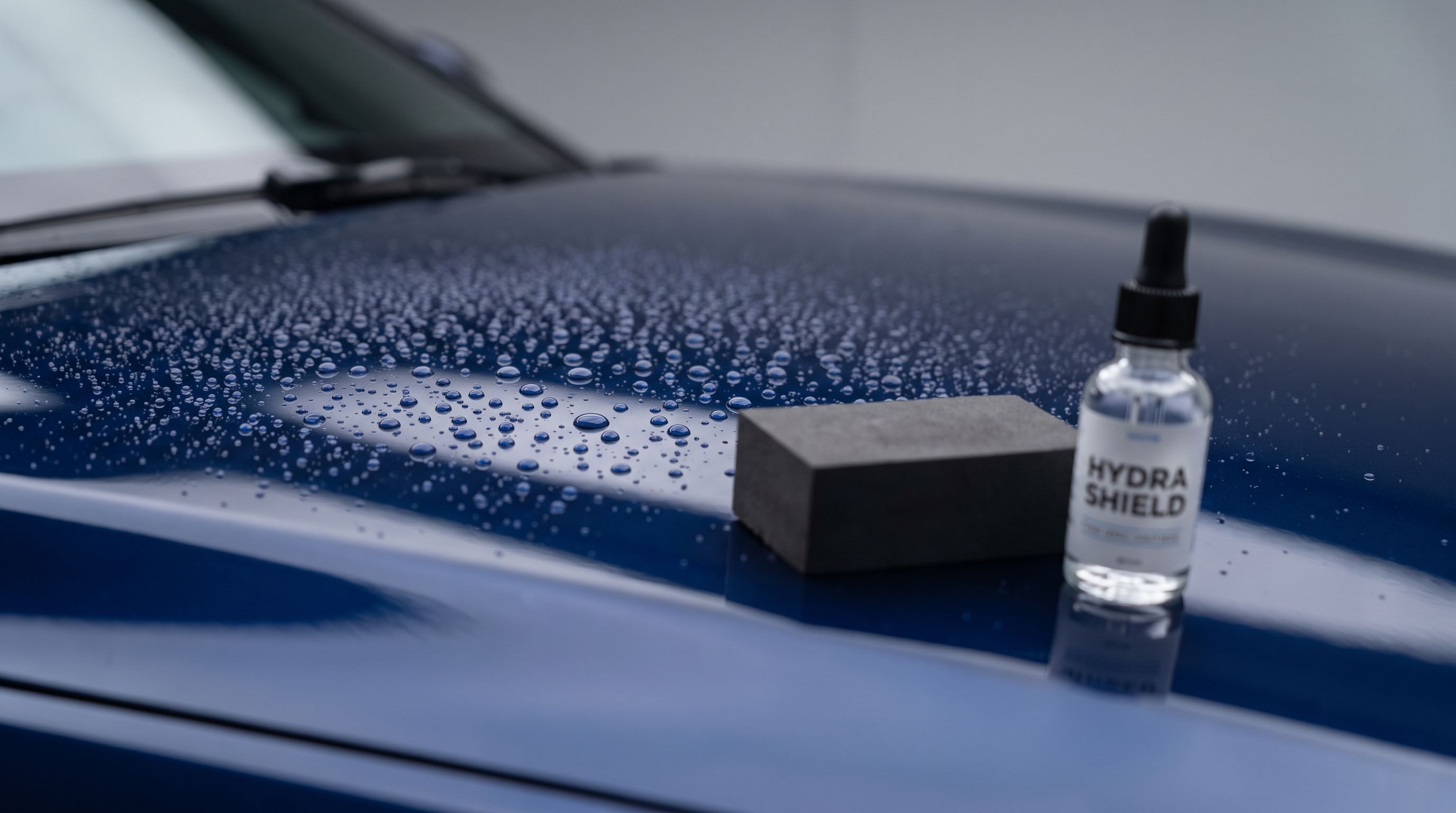
Ceramic vs Graphene Coating for Cars in 2026: Which Wins?
Ceramic coating vs graphene coating for cars in 2026: real durability, prep effort and reapplication intervals compared, plus five DIY picks worth your weekend.
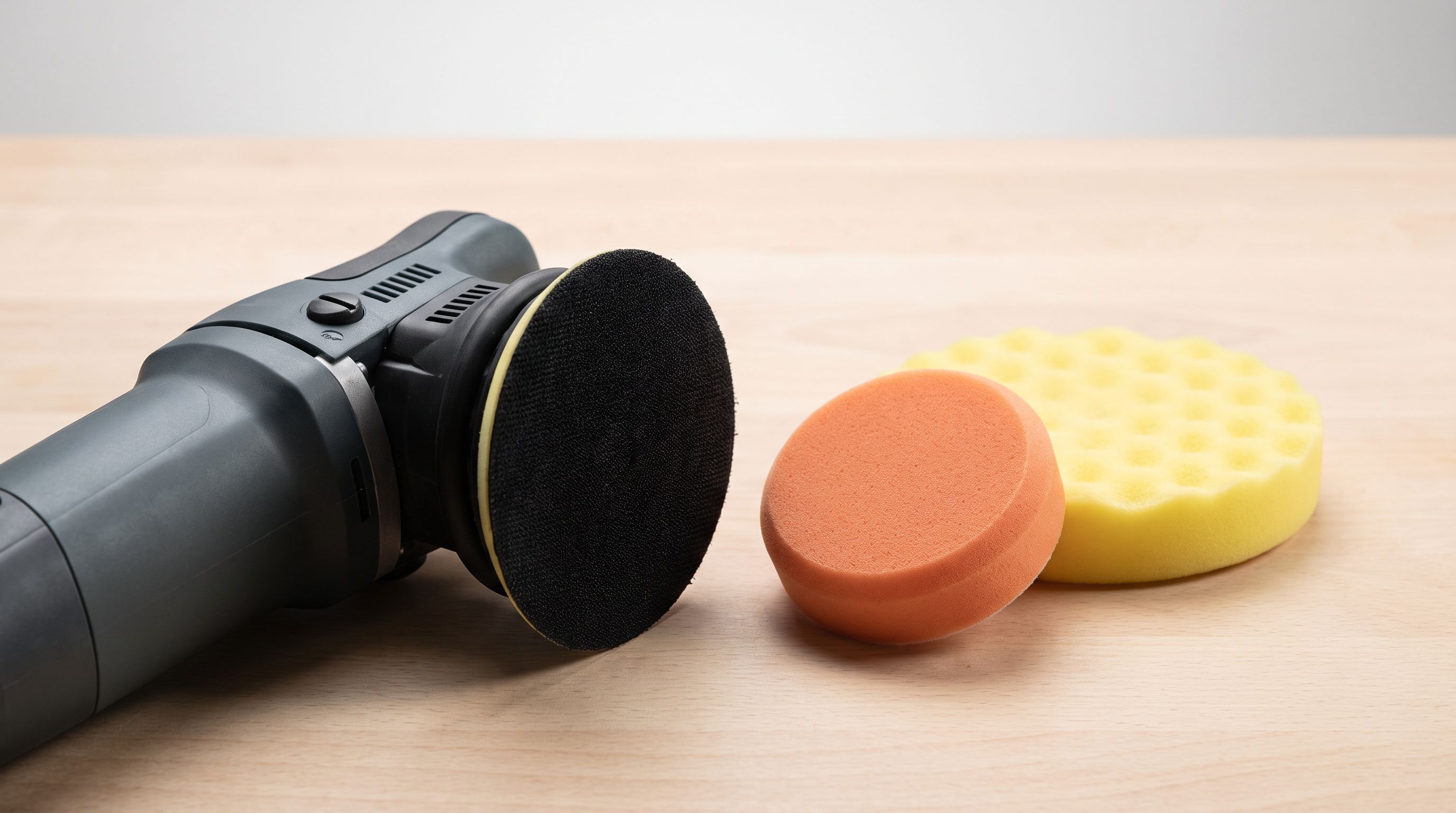
Polisher Backing Plate Size 2026: Stop Stalling on Curves
Polisher backing plate size guide for 2026: match plate diameter, thread spec, and pad overhang to your DA polisher so pads stop stalling on curves.
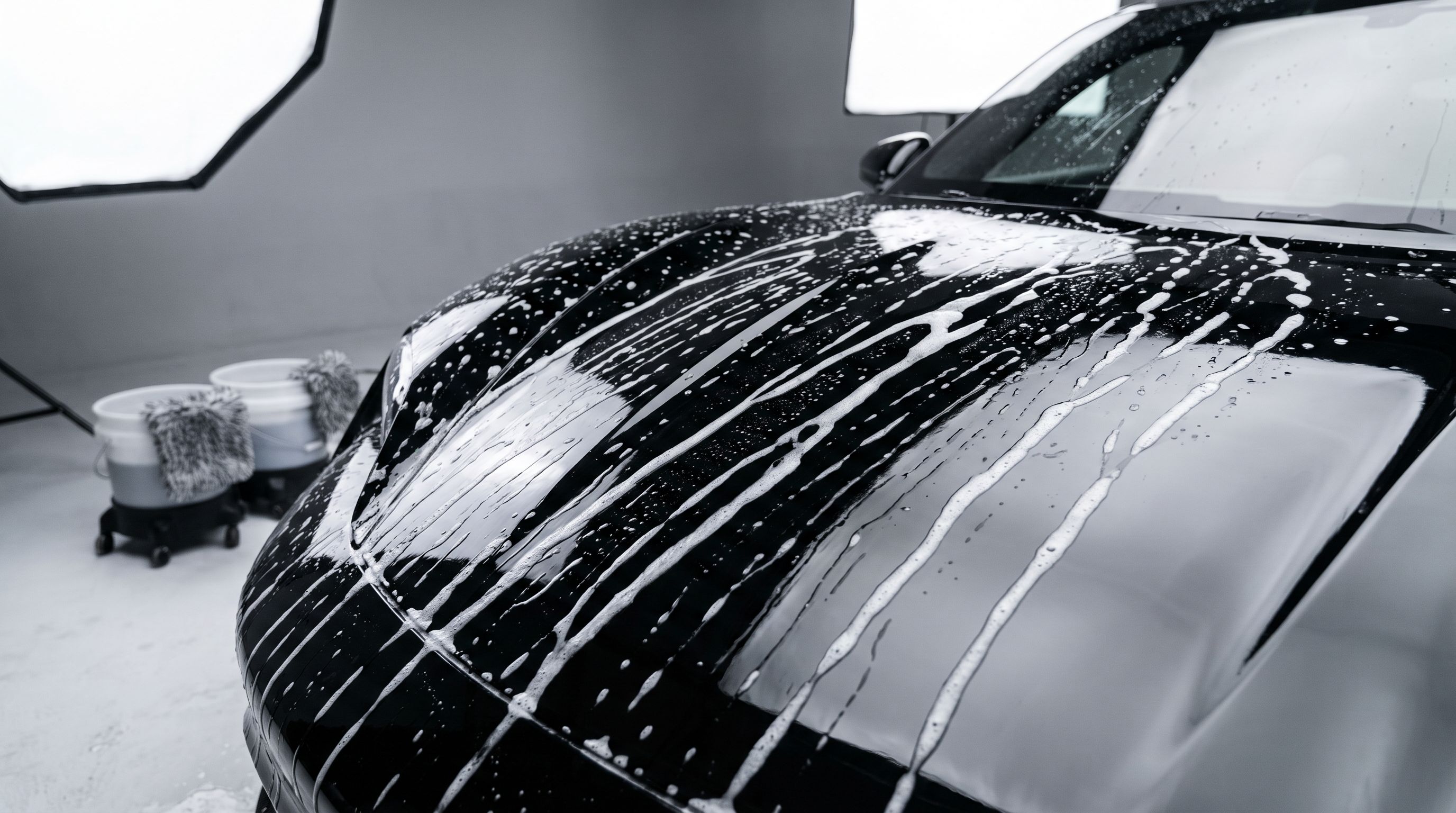
Ceramic Coating Maintenance Shampoo 2026: pH That Won't Strip
How to pick a coating-safe car shampoo in 2026: pH-neutral vs SiO2 toppers, gloss boosters, dilution ratios and the washing habits that actually kill ceramic coatings.