Car Dehumidifier for Garage Storage in 2026: 4 Picks
Keep your stored or garaged car moisture-free. We compare the best car dehumidifiers for garage use in 2026—rechargeable, plug-in, and absorber options.
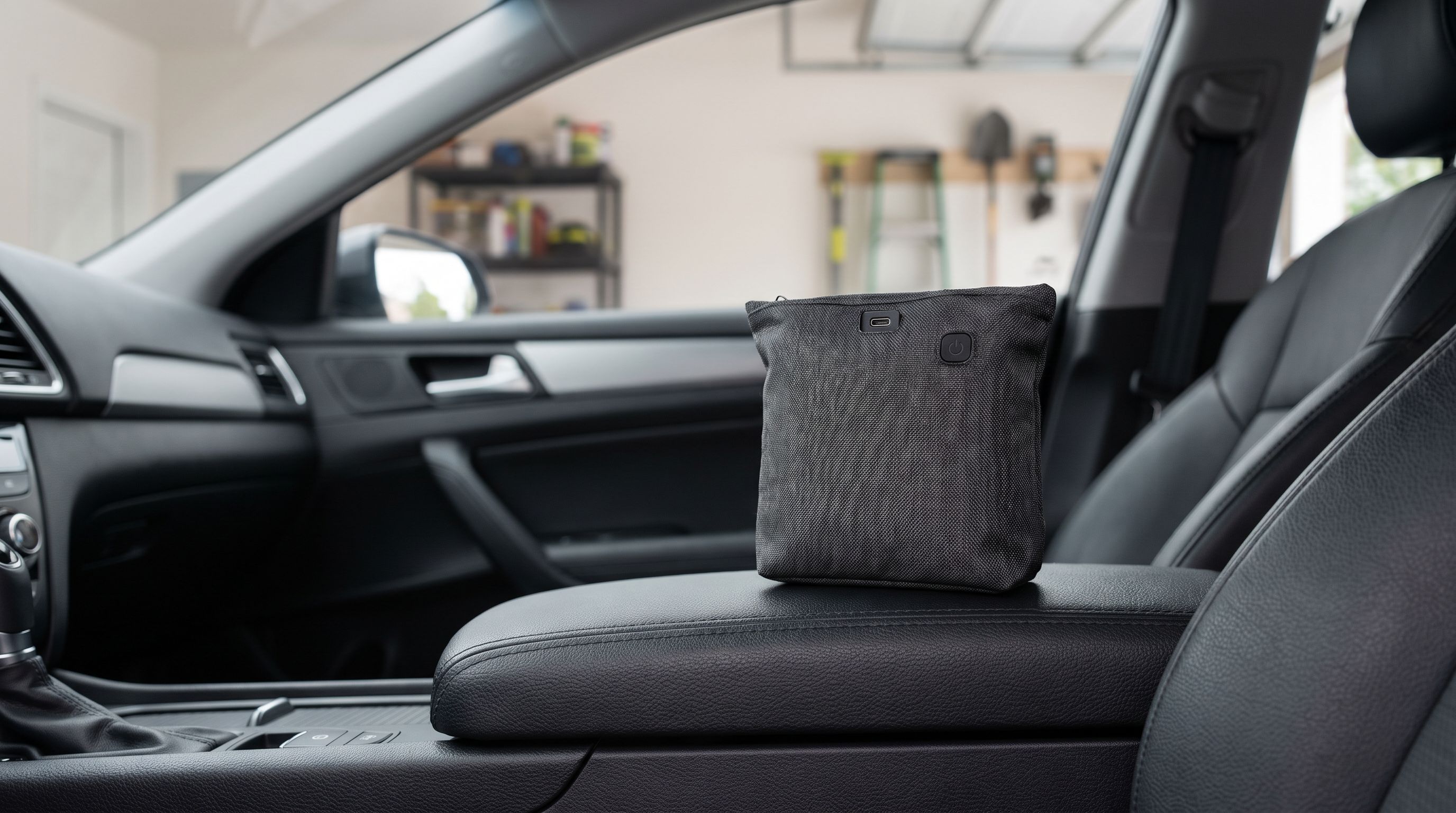
Reader-supported: we may earn a commission from links on this page, at no extra cost to you. It never affects our picks. Learn more.
Moisture is the quiet enemy of every garaged car. Even a climate-controlled garage can hover at 60–70 % relative humidity in spring and summer—enough to fog windows from the inside, breed mildew on upholstery, and accelerate corrosion on brake rotors and underbody components. A car dehumidifier for garage storage addresses the problem right where it starts: inside or immediately around the vehicle.
We researched rechargeable silica-gel units, passive moisture-absorber bags, compact Peltier-element electric dehumidifiers, and full-size garage models, then narrowed the field to four picks that cover every common scenario—from a weekend roadster sitting under a cover to a daily driver parked in a damp two-car garage.
The short version
- Best overall for in-cabin use: Eva-dry E-500 Renewable Mini Dehumidifier
- Best no-fuss moisture absorber: Zarpax LV-A300 Reusable Car Dehumidifier
- Best plug-in for trunk or cabin: Pro Breeze 500ml Compact Mini Dehumidifier
- Best for whole-garage protection: GE ADEL25LY 25-Pint Dehumidifier
 Best for whole-garage protection · GE ADEL25LY 25-Pint Dehumidifier — Check price on Amazon →
 Best overall for in-cabin use · Eva-dry E-500 Renewable Mini Dehumidifier — Check price on Amazon →
Why a car in a garage still needs moisture control
Many owners assume a roof overhead equals a dry car. It doesn't. Concrete floors wick moisture upward (a process called moisture vapor transmission), and every time you pull a rain-soaked vehicle inside and close the door you're trapping that humidity. The result:
- Foggy or mildewy interiors — especially on leather and fabric headliners.
- Electrical gremlins — condensation on connectors and module housings.
- Surface rust on rotors and exhaust — cosmetically annoying and occasionally functionally harmful.
- Musty smell — the classic "barn find" odor that's hard to eliminate once embedded.
In-cabin dehumidifiers tackle the small, sealed airspace of the passenger compartment, while a whole-garage unit lowers ambient humidity to protect the exterior and underbody too. Some owners use both.
How to choose
Cabin-only vs. whole-garage
A compact, rechargeable dehumidifier or moisture bag is designed for the ~100–150 cubic-foot volume inside a car. It cannot meaningfully dent the humidity of a 400–600 square-foot garage. If your garage itself stays above 60 % RH, a cabin unit will saturate quickly and you'll need a full-size dehumidifier rated at 25–50 pints per day to bring the ambient level down first.
Rechargeable silica gel vs. Peltier electric vs. passive absorber
| Feature | Rechargeable silica gel | Peltier electric | Passive absorber bag |
|---|---|---|---|
| Power needed? | Only during recharge (plug-in or microwave) | Continuous (AC outlet) | None |
| Typical effective volume | 50–150 cu ft | 150–250 cu ft | 30–80 cu ft |
| Recharge cycle | Every 2–8 weeks | N/A (runs continuously) | Every 2–6 weeks (microwave or oven) |
| Noise | Silent | Low hum (~30 dB) | Silent |
| Best for | Sealed car cabin, trunk | Car cabin near outlet, small closet | Under-seat, glove box, trunk |
Rechargeable silica-gel units like the Eva-dry E-500 are the most popular choice for stored vehicles because they need no power while in use—just park the unit on the dash or floor, and plug it in to recharge when its indicator changes color. Peltier units like the Pro Breeze 500ml work best when the car is stored close to a wall outlet and you can run an extension cord through a cracked window or trunk seal. Passive bags (Zarpax LV-A300) are the simplest: toss one under each front seat and microwave them when they're full.
Capacity and recharge frequency
Capacity isn't always listed in pints for cabin-size units—manufacturers often specify "effective area" or weight of moisture absorbed before recharge. As a rule of thumb:
- Silica-gel units (Eva-dry E-500): absorb roughly 6–8 oz of moisture per cycle, lasting 2–8 weeks depending on ambient humidity.
- Absorber bags (Zarpax LV-A300): hold about 6 oz; recharge in a microwave in 5–8 minutes.
- Peltier electric (Pro Breeze): 500 ml tank empties itself continuously, handling about 9 oz per day.
If you live in a humid climate (Gulf Coast, Pacific Northwest), expect to recharge or empty more often.
Indicator and auto-shutoff
Look for a color-change indicator (common on silica-gel units) that tells you at a glance when it's time to recharge. On electric models, auto-shutoff when the reservoir is full prevents overflow. The Pro Breeze 500ml includes an auto-shutoff and indicator light; the Eva-dry E-500 uses a "renew" window that shifts from blue to pink as the crystals saturate.
Placement inside the vehicle
Where you put the dehumidifier matters almost as much as which one you buy. Moisture tends to settle low and congregate on the coldest surface (usually the windshield interior and floorboards). Place absorber bags on or under the front seats. Silica-gel units work well on the center console or rear parcel shelf. If you're using a Peltier unit, the trunk is often the most practical spot because you can route the power cord through the trunk seal gasket without stressing it.
Our picks
Eva-dry E-500 — Best overall for in-cabin use
Prices last checked November 12, 2026. Amazon prices change frequently, so treat these as a guide and check the live price before you buy.
Eva-dry E-500 Renewable Mini Dehumidifier
Wireless, indicator-driven recharge cycle keeps a sedan cabin dry for weeks at a time.
The Eva-dry E-500 is a compact, wireless silica-gel canister that sits anywhere inside the cabin and quietly absorbs moisture until its indicator window turns pink—typically every 2–8 weeks depending on conditions. You then plug it into a standard outlet for 8–10 hours to drive the moisture out of the crystals, and it's ready for another cycle. There are no batteries, no disposable refills, and the unit is rated to last for up to 10 years. It's ideal for a sedan, coupe, or small SUV parked in a garage. The main trade-off is capacity: in very humid environments (sustained 75 %+ RH), it saturates quickly, and you may need two units—one on the dashboard and one in the trunk—for adequate coverage.
Zarpax LV-A300 — Best no-fuss moisture absorber
Zarpax LV-A300 Reusable Car Dehumidifier
Flat bag design tucks under seats and recharges in a microwave—no wires needed.
The Zarpax LV-A300 is a flat, fabric-wrapped absorber bag filled with a proprietary clay-silica blend. Its thin profile (roughly the size of a paperback book) slides under a seat or into a door pocket without getting in the way. When the indicator dot turns from green to yellow, you microwave the bag for about 8 minutes to drive out the collected moisture, and it's reusable for hundreds of cycles according to the manufacturer. It's essentially zero-maintenance and zero-risk—no electricity near the car, no spill hazard. The limitation is volume: a single bag is best for roughly 30–80 cubic feet, so larger cabins (three-row SUVs, minivans) may need two or three bags distributed front and rear. It's also slower-acting than an electric unit.
Pro Breeze 500ml — Best plug-in for trunk or cabin
Pro Breeze 500ml Compact Mini Dehumidifier
Peltier-based electric unit quietly pulls moisture when the car is near an outlet.
If your stored car sits within reach of an outlet—or you don't mind running a short extension cord—the Pro Breeze 500ml Compact Mini Dehumidifier offers continuous, active moisture removal that passive units can't match. It uses a thermoelectric Peltier element (no compressor), draws only about 23 watts, and operates at roughly 30 dB—barely audible. The 500 ml reservoir includes an auto-shutoff so it won't overflow if you forget to check it. Based on owner feedback, the unit works well in trunks and cabins of mid-size cars and keeps relative humidity noticeably lower than silica-gel alternatives in the same space. The downside is the requirement for continuous power and the need to empty the tank periodically (every 1–3 days in high humidity). It also won't function in temperatures below about 59 °F (15 °C), which limits its usefulness in unheated winter garages.
GE ADEL25LY 25-Pint Dehumidifier — Best for whole-garage protection
GE ADEL25LY 25-Pint Dehumidifier
Smart-dry controls and 25-pint capacity tackle the entire garage, not just the cabin.
Sometimes the right answer isn't a tiny cabin unit—it's controlling the garage environment itself. The GE 25-Pint Dehumidifier (referenced by Forbes as a top garage pick for 2026) covers spaces up to approximately 1,500 square feet and features Smart Dry controls that automatically adjust fan speed to maintain your target humidity. It includes a continuous-drain option via a gravity hose, so you can route it to a floor drain and forget about emptying a bucket. This won't replace an in-cabin unit for a tightly sealed car cover setup, but if your garage doubles as a workshop and you want to protect tools, the car exterior, and the cabin all at once, it's the most efficient single investment. It's larger and louder than anything else on this list, and it draws significantly more power—plan on around 300–400 watts depending on the mode.
Comparison table
| Pick | Type | Power source | Effective volume | Recharge / empty cycle | Best placement |
|---|---|---|---|---|---|
| Eva-dry E-500 | Rechargeable silica gel | Plug-in recharge | ~100–150 cu ft | Every 2–8 weeks | Dashboard, console, parcel shelf |
| Zarpax LV-A300 | Reusable absorber bag | Microwave recharge | ~30–80 cu ft | Every 2–6 weeks | Under seat, door pocket, trunk |
| Pro Breeze 500ml | Peltier electric | Continuous AC | ~150–250 cu ft | Empty tank every 1–3 days | Trunk, rear footwell |
| GE ADEL25LY 25-Pint | Compressor electric | Continuous AC | Up to ~1,500 sq ft | Continuous drain or 25-pt bucket | Garage floor or shelf |
Tips for maximizing any car dehumidifier
- Crack a window slightly if using a passive or silica-gel unit and the car is parked in a temperature-stable garage—this prevents the cabin from becoming a sealed humidity trap when temperatures fluctuate.
- Use a breathable car cover, not a non-porous tarp. Trapped moisture under a sealed cover accelerates the very problems you're trying to prevent.
- Pair cabin and garage units in high-humidity climates. A whole-garage dehumidifier brings ambient RH below 50 %, and a cabin unit handles residual interior moisture.
- Check and recharge on a schedule. Set a phone reminder every two weeks during the humid season—waiting until you see fogged windows means moisture has already been at work.
- Clean the car before storage. Damp floor mats, wet carpet padding, and forgotten gym bags are moisture sources that no small dehumidifier can overcome.
FAQ
How many dehumidifier bags do I need for an SUV?
For a mid-size SUV, two Zarpax LV-A300 bags (one under the front seat, one in the cargo area) generally provide adequate coverage. Three-row SUVs or minivans may benefit from three bags spread across the cabin.
Can I leave a Peltier dehumidifier running in a car 24/7?
Yes, as long as it has an auto-shutoff feature and is plugged into a properly rated outlet or extension cord. The Pro Breeze 500ml draws only about 23 watts, so continuous use is safe and energy costs are minimal. Just empty the reservoir regularly or it will shut off when full.
Will a car dehumidifier prevent brake rotor rust?
A cabin dehumidifier won't meaningfully affect brake rotors because they're outside the passenger compartment. A whole-garage dehumidifier like the GE ADEL25LY can lower ambient humidity enough to slow rotor surface rust, but some light oxidation is normal on stored vehicles and typically wears off after a few stops.
Is a rechargeable dehumidifier better than a disposable calcium-chloride tub?
For long-term garage storage, rechargeable units (Eva-dry E-500, Zarpax LV-A300) are more economical and less messy. Calcium-chloride tubs dissolve into brine that can spill and damage carpet or trim. Rechargeable options produce no liquid waste inside the cabin and last for years.
What humidity level should I target in my garage?
Aim for 40–50 % relative humidity. Below 40 % can dry out rubber seals and leather; above 55 % encourages mold growth and corrosion. A simple hygrometer (under $15 at most hardware stores) mounted on the garage wall will tell you where you stand.
Get the best car care deals in your inbox
Join the GarageProof newsletter for hand-picked car care deals and new buying guides. No spam, unsubscribe anytime.
Related reads
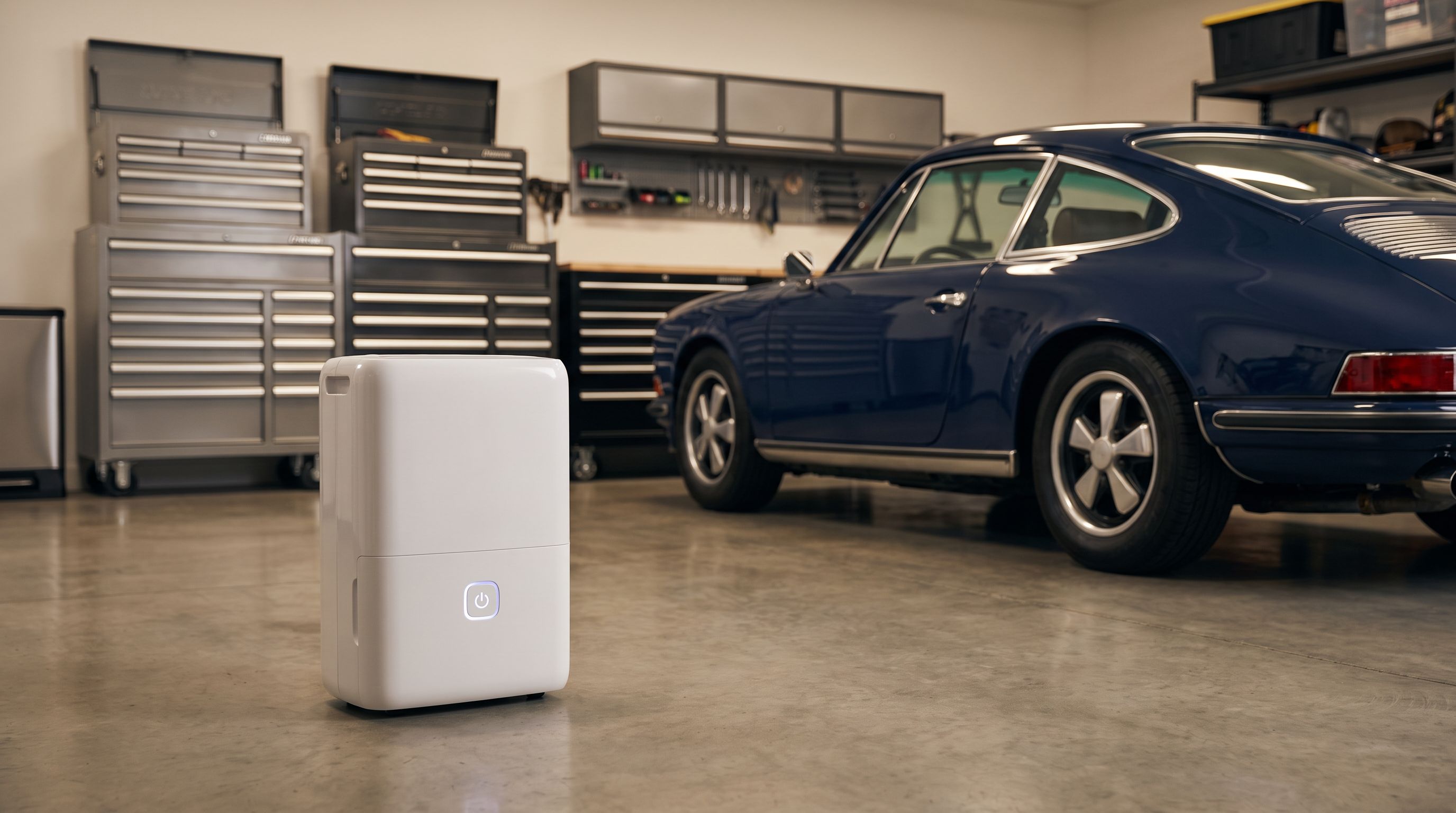
Dehumidifier for Your Garage in 2026: Size It Right
Find the best dehumidifier for your garage in 2026. We compare capacity, drain options, and low-temp performance so your stored vehicles and tools stay rust-free.
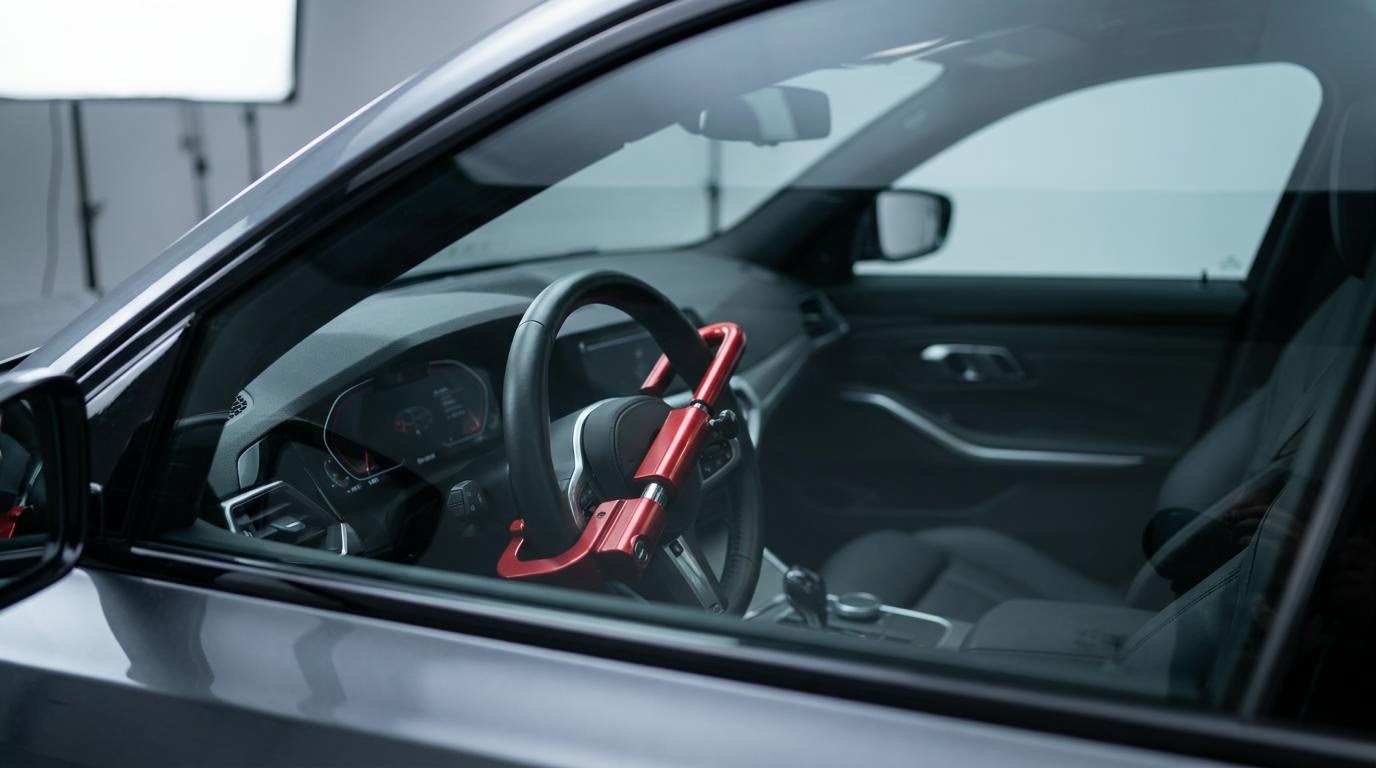
Steering Wheel Locks in 2026: Which Style Actually Deters Thieves?
Club-style, wheel-to-pedal, and enclosed steering wheel locks compared for sedan and SUV fitment, deterrence, and daily ease of use in 2026.
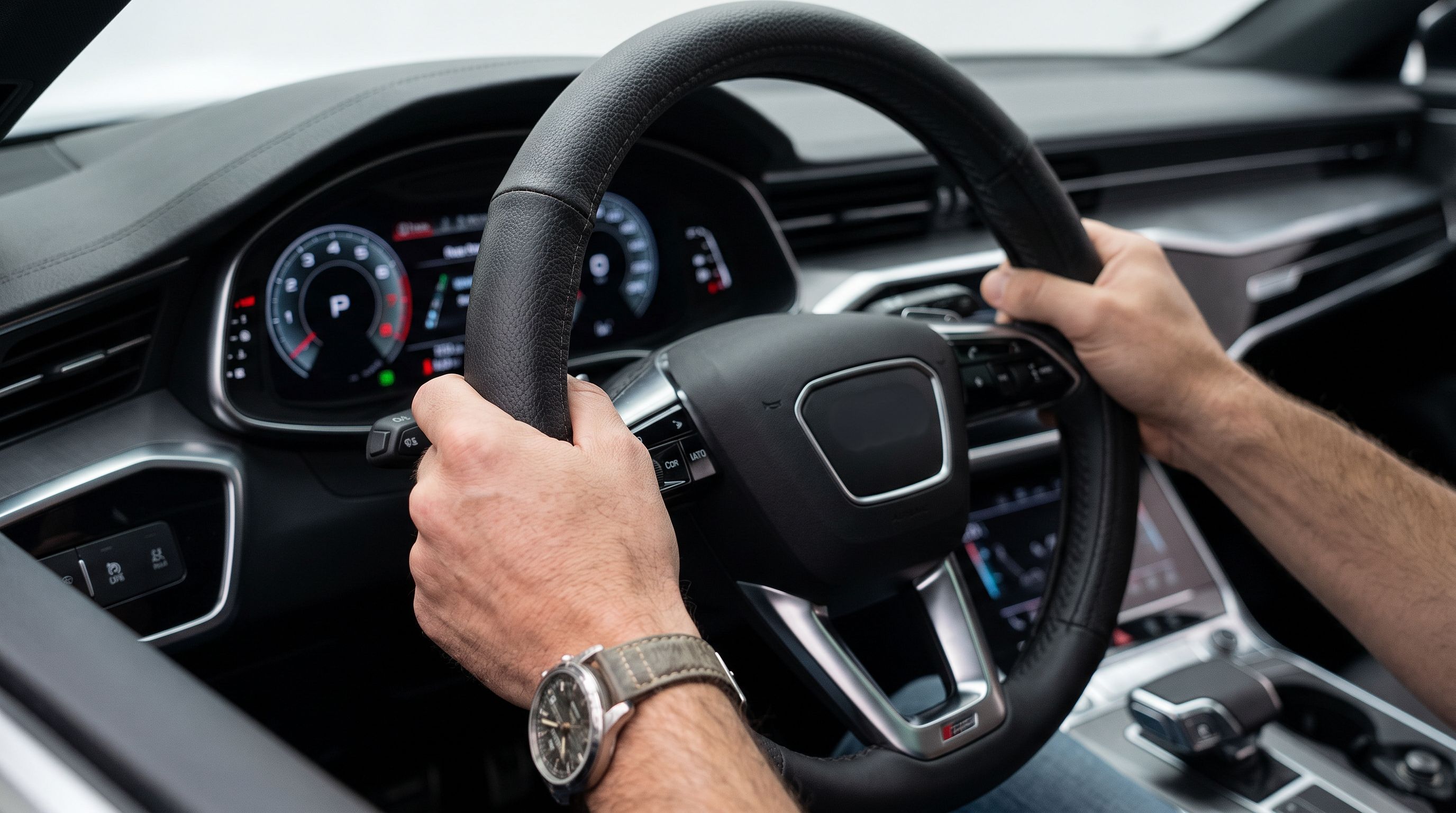
Best Steering Wheel Cover 2026: Size It Right
Find the best steering wheel cover in 2026. Learn how to measure diameter and grip circumference, then compare top leather, Alcantara, and heated picks.